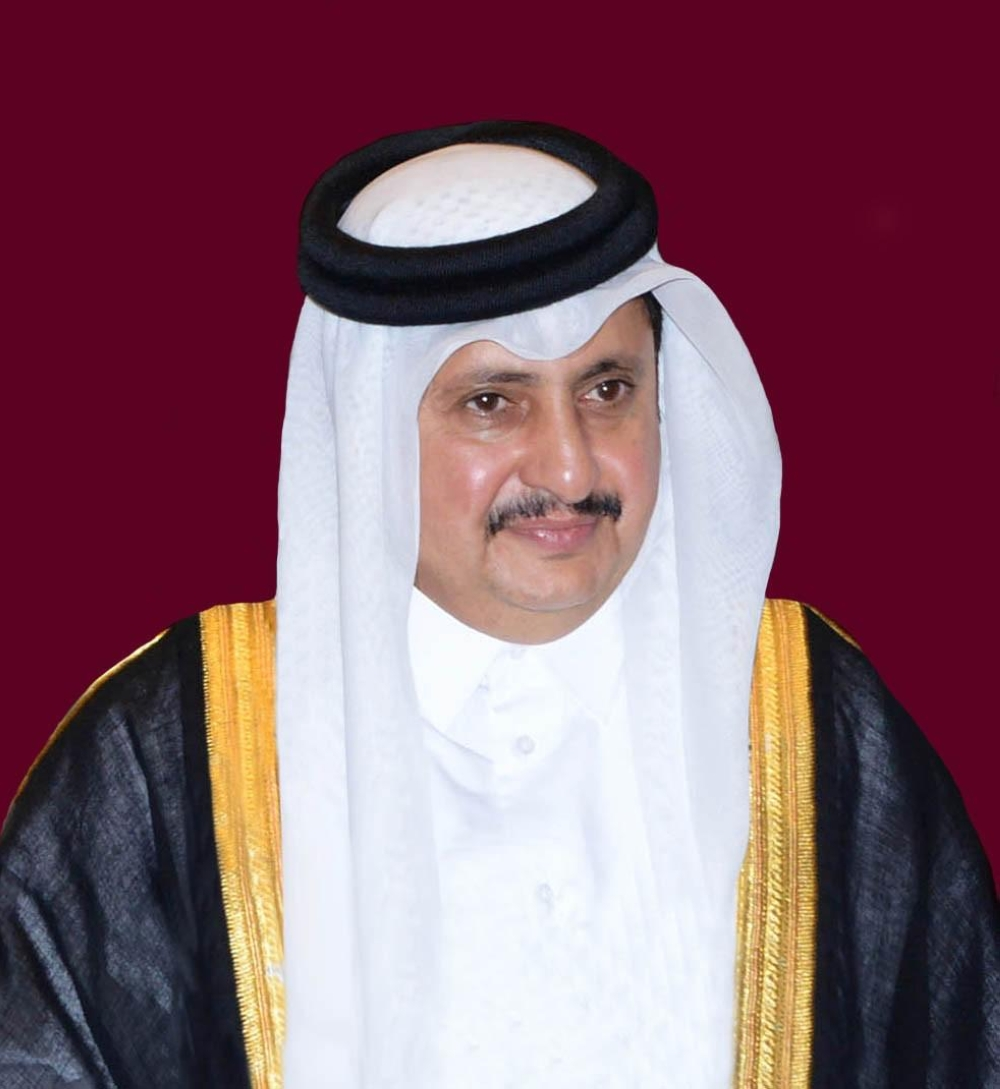
The Federation of GCC Chambers announced that the presidency of the Federation, in its 24th session, has been transferred to the State of Qatar. His Excellency Sheikh Khalifa bin Jassim bin Mohammed Al Thani, Chairman of the Qatar Chamber of Commerce and Industry, assumed the presidency, succeeding His Excellency Sheikh Faisal bin Abdullah Al Rawas, Chairman of the Oman Chamber of Commerce and Industry. This change is in line with the Federation's system of periodic rotation, which ensures the participation of all member states in leading joint Gulf economic action.
The formation of the Executive Office for the new term (2026-2028) was also announced, with the Federation of Saudi Chambers assuming the position of First Vice President, while the Kuwait Chamber of Commerce and Industry will occupy the position of Second Vice President, reflecting an integrated leadership structure that represents the main economic forces in the region.
General context and historical background
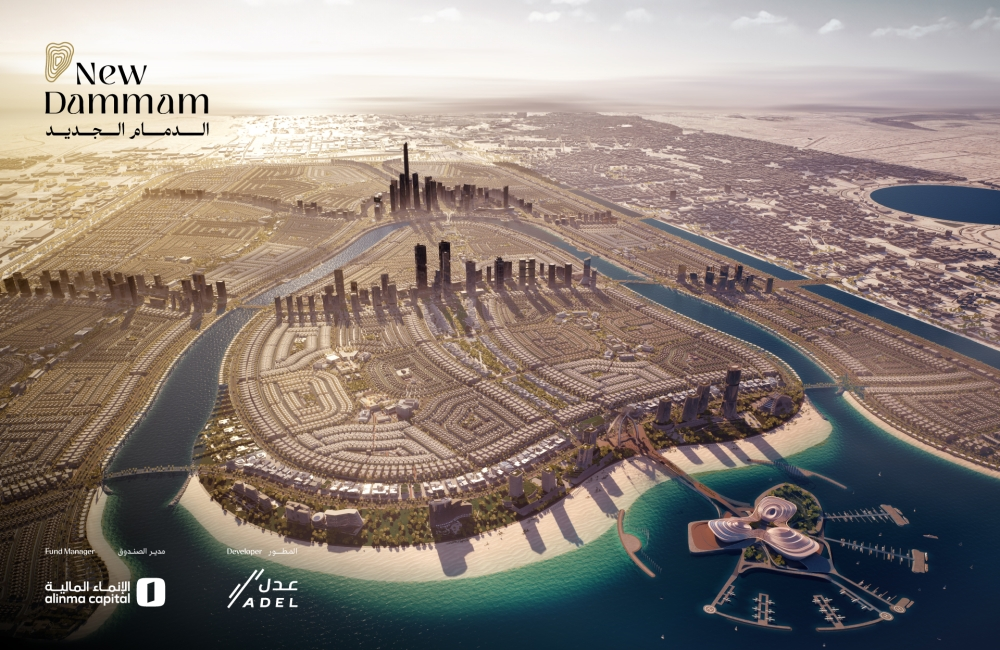
The Federation of GCC Chambers was established in 1979 as the official representative of the private sector in the six GCC member states (Saudi Arabia, the United Arab Emirates, Qatar, Kuwait, Oman, and Bahrain). Headquartered in Dammam, the Federation aims to enhance economic integration among member states, unify the voice of the Gulf private sector in regional and international forums, and overcome obstacles to intra-regional trade and joint investments. The Federation is a strategic partner of the GCC Secretariat in formulating economic policies and legislation that support the development of the Gulf Common Market.
The importance of the event and its expected impact
The appointment of Sheikh Khalifa bin Jassim as president of the Federation is particularly significant given the rapid economic transformations taking place in the region and the world. His presidency coincides with the implementation of ambitious development plans by the GCC countries, such as Saudi Arabia’s Vision 2030 and Qatar’s National Vision 2030, all of which aim to diversify income sources and reduce dependence on oil. Under his leadership, the Federation is expected to play a pivotal role in aligning private sector strategies with these national visions and encouraging Gulf companies to capitalize on emerging opportunities in new sectors such as technology, renewable energy, logistics, and tourism.
In his first statement, Sheikh Khalifa bin Jassim expressed his gratitude and appreciation to his predecessor, Sheikh Faisal Al Rawas, for his distinguished efforts during his tenure. He emphasized that the next phase requires concerted efforts to address challenges and transform them into opportunities that support the sustainable growth of the private sector. He added that the Federation will work to implement a flexible strategic vision that accommodates changes, strengthens joint Gulf coordination, and supports initiatives and projects launched during previous sessions, while also launching new, high-quality programs to empower entrepreneurs and small and medium-sized enterprises (SMEs).
Leadership experience to promote economic integration
Sheikh Khalifa bin Jassim is a prominent leader in the Qatari and Gulf private sectors, serving as Chairman of the Qatar Chamber of Commerce and Industry and Chairman of the International Chamber of Commerce Qatar, in addition to his membership in prestigious international economic bodies. This extensive experience in economic, commercial, and investment affairs will undoubtedly contribute to strengthening the Federation's role as a bridge between the Gulf private sector and its counterparts worldwide, attracting foreign investment, and enhancing the competitiveness of Gulf products and services in global markets.