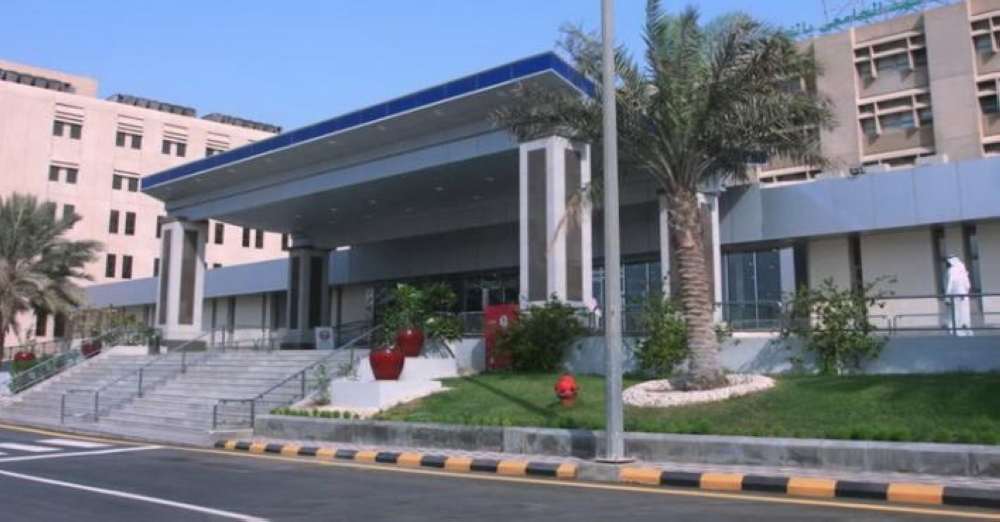
في خطوة رائدة لتعزيز الرعاية الصحية التخصصية في المنطقة الشرقية، أعلن مستشفى الملك فهد الجامعي بالخبر، التابع لجامعة الإمام عبد الرحمن بن فيصل، عن افتتاح عيادة متخصصة لعلاج حصوات الكلى والمسالك البولية. تهدف هذه العيادة النوعية إلى تقديم نموذج علاجي متكامل يركز ليس فقط على إزالة الحصوات، بل على الوقاية من تكرار تكوّنها، خاصة لدى المرضى الذين يعانون من اعتلالات أيضية كامنة.
خلفية المشكلة: تحدي حصوات الكلى في المملكة
تُعد حصوات الكلى من المشكلات الصحية الشائعة عالميًا، وتزداد نسبة انتشارها في المناطق ذات المناخ الحار مثل المملكة العربية السعودية، والتي تقع ضمن ما يُعرف بـ “حزام الحصوات” العالمي. تساهم عوامل مثل ارتفاع درجات الحرارة، وزيادة خطر الجفاف، بالإضافة إلى بعض الأنماط الغذائية، في رفع معدلات الإصابة. تقليديًا، كان التركيز العلاجي ينصب على التدخلات الجراحية أو التفتيت لإزالة الحصوات بعد تكوّنها، مما يعرض المرضى لعمليات متكررة وآلام مزمنة، دون معالجة السبب الجذري للمشكلة.
نموذج علاجي تكاملي: من علاج الحصوة إلى علاج المريض
تتميز العيادة الجديدة بتبنيها نهجًا علاجيًا شموليًا، حيث تُدار بشكل مشترك بين قسمي أمراض الكلى وجراحة المسالك البولية. يقود هذا التعاون البروفيسور عبد الله الهويش، أستاذ أمراض الكلى، والدكتور حاتم الذبياني، استشاري جراحة الحصوات والمناظير للمسالك البولية. يضمن هذا التكامل الطبي إجراء تقييم دقيق وشامل للمريض لتحديد الأسباب الأيضية التي تؤدي إلى تكوّن الحصوات، مثل اضطرابات مستويات الكالسيوم أو الأوكسالات أو حمض اليوريك في البول.
وبناءً على التشخيص الدقيق، يتم وضع خطة علاجية ووقائية مخصصة لكل مريض. تشمل هذه الخطة تعديلات على النظام الغذائي، وتوصيات بكمية السوائل، بالإضافة إلى وصف أدوية تهدف إلى تصحيح الخلل الأيضي ومنع تبلور الأملاح في الكلى. هذا النهج الاستباقي يقلل بشكل كبير من احتمالية تكرار الحصوات، ويحافظ على وظائف الكلى على المدى الطويل، ويجنب المريض الحاجة إلى تدخلات جراحية مؤلمة ومكلفة.
أهمية استراتيجية وتأثير متوقع
أكد الدكتور عبد الله بن عبد السلام يوسف، المدير التنفيذي لمستشفى الملك فهد الجامعي، أن افتتاح العيادة يتماشى مع أهداف رؤية المملكة 2030 في قطاع الصحة، والتي تركز على التحول نحو نموذج الرعاية الوقائية والمتمحورة حول المريض. وأضاف: “نسعى لتبني أحدث الممارسات الطبية المبنية على الدليل العلمي. هذه العيادة تمثل إضافة نوعية لمنظومة خدماتنا، وتستجيب لحاجة ملحة لدى شريحة كبيرة من المرضى، مما سينعكس إيجابًا على جودة حياتهم”.
من جانبه، أوضح الدكتور حاتم الذبياني أن “فكرة العيادة انطلقت من الحاجة إلى معالجة مرضى الحصوات بطريقة تتجاوز التدخل الجراحي. هدفنا هو الانتقال من علاج الحصوة إلى علاج المريض ككل”. ويُتوقع أن يكون لهذه العيادة تأثير إيجابي على المستوى المحلي عبر تخفيف العبء على أقسام الطوارئ والجراحة، كما يمكن أن تصبح مركزًا مرجعيًا على المستوى الإقليمي لتقديم استشارات وعلاجات متقدمة في هذا المجال.