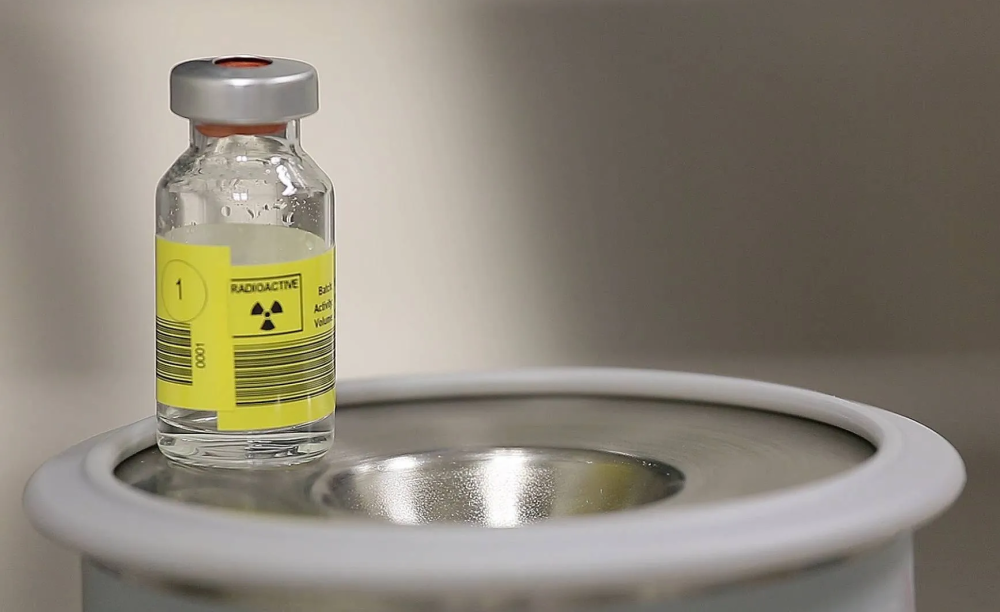
في خطوة رائدة تعكس التطور المتسارع في القطاع الصحي واللوجستي بالمملكة العربية السعودية، أعلن مستشفى الملك فيصل التخصصي ومركز الأبحاث عن إطلاق خدمة النقل الجوي للمستحضرات الصيدلانية المشعّة ذات العمر النصفي القصير. وقد تم تدشين هذه الخدمة عبر تنفيذ رحلة تجريبية ناجحة نقلت هذه المواد الحيوية جوًّا من المقر الرئيسي للمستشفى في العاصمة الرياض إلى فرعه في محافظة جدة، وذلك بالتعاون الوثيق مع الجهات المختصة في قطاع الطيران والخدمات اللوجستية.
سباق مع الزمن لخدمة مرضى الأورام
تكتسب هذه الخطوة أهمية قصوى نظراً للطبيعة الفيزيائية للمستحضرات الصيدلانية المشعّة؛ فهذه المواد تتميز بـ “عمر نصفي” قصير جداً، مما يعني أن فعاليتها الإشعاعية والطبية تتناقص بشكل حاد بمرور الوقت. سابقاً، كانت التحديات الجغرافية واتساع مساحة المملكة تشكل عائقاً أمام نقل هذه المواد عبر الطرق البرية دون فقدان جزء كبير من فعاليتها. ويأتي الحل عبر النقل الجوي لضمان وصولها ضمن الإطار الزمني الدقيق اللازم للاستخدام السريري، مما يسهم بشكل مباشر في رفع دقة التشخيص وتعزيز فعالية الخطط العلاجية المقدمة لمرضى الأورام والسرطان.
معايير عالمية وتراخيص رسمية
لم يكن هذا الإنجاز وليد اللحظة، بل جاء تتويجاً لجهود حثيثة أثمرت عن حصول المستشفى على ترخيص رسمي لنقل المستحضرات الصيدلانية المشعّة عبر الجو من الهيئة العامة للطيران المدني. وقد استوفى المستشفى كافة الاشتراطات والمعايير الفنية واللوجستية العالمية الصارمة، بما يضمن أعلى درجات السلامة والامتثال للأنظمة المحلية والدولية في التعامل مع هذه المواد عالية الحساسية، مما يؤكد ريادة المملكة في تطبيق معايير السلامة النووية والطبية.
أبعاد اقتصادية وحلول مستدامة
إلى جانب الفوائد الطبية، توفر الخدمة الجديدة حلاً اقتصادياً مستداماً يتماشى مع كفاءة الإنفاق. فبدلاً من الحاجة إلى ضخ استثمارات مالية ضخمة لإنشاء مرافق معقدة لإنتاج المستحضرات المشعّة (Cyclotrons) في كل منطقة من مناطق المملكة، وما يتطلبه ذلك من تجهيزات تقنية وبنية تحتية مكلفة، يتيح النقل الجوي الاستفادة من المركز الرئيسي في الرياض لتغطية احتياجات الفروع والمستشفيات الأخرى. هذا التوجه يسهم في توجيه الموارد الصحية نحو مسارات أكثر تأثيرًا، ويعزّز جودة خدمات الطب النووي على المستوى الوطني.
ريادة عالمية مستمرة
يأتي هذا التطور ليرسخ مكانة مستشفى الملك فيصل التخصصي ومركز الأبحاث، الذي صُنف الأول في الشرق الأوسط وأفريقيا، والـ 15 عالميًّا ضمن قائمة أفضل 250 مؤسسة رعاية صحية أكاديمية حول العالم لعام 2025. كما يُعد العلامة التجارية الصحية الأعلى قيمة في المملكة والشرق الأوسط بحسب “براند فاينانس” لعام 2024، مما يعكس التزامه المستمر بتقديم أحدث الحلول الطبية واللوجستية لخدمة المريض.