صراع على قمة الهرم المالي الأمريكي
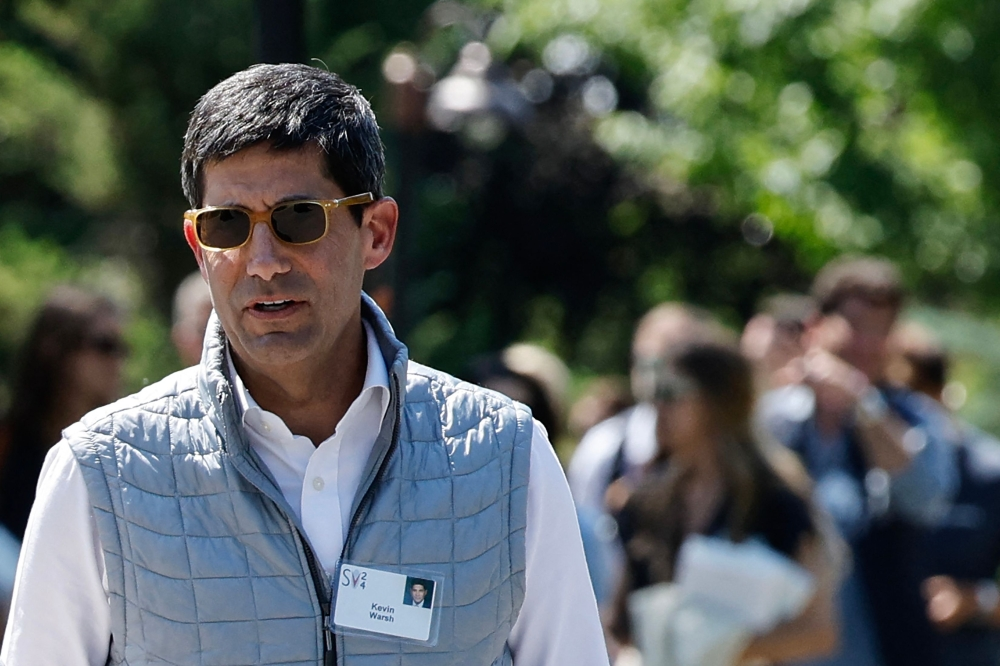
بعد أشهر من التكهنات والضغوط، يبرز اسم الاقتصادي البارز كيفن وارش كمرشح محتمل طرحه الرئيس الأمريكي السابق دونالد ترامب لتولي رئاسة مجلس الاحتياطي الفيدرالي، خلفًا لجيروم باول. يأتي هذا الترشيح في خضم جدل واسع حول استقلالية البنك المركزي، ليطرح سؤالاً محورياً: هل سيتمكن البيت الأبيض من فرض إرادته على السياسة النقدية للبلاد؟
من هو كيفن وارش؟ سيرة ذاتية تجمع بين وول ستريت وواشنطن
يحظى وارش بخبرة واسعة تمتد بين أروقة السياسة والقطاع المالي. هو خريج جامعة ستانفورد وكلية الحقوق بجامعة هارفارد، وقد بدأ مسيرته المهنية في بنك مورجان ستانلي في قسم عمليات الاندماج والاستحواذ. انتقل بعدها إلى البيت الأبيض في عهد الرئيس جورج دبليو بوش، حيث شغل منصب المساعد الخاص للرئيس للشؤون الاقتصادية، قبل أن يصبح في عام 2006 أحد أصغر أعضاء مجلس محافظي الاحتياطي الفيدرالي سناً. وبعد مغادرته الفيدرالي، عاد وارش إلى القطاع الخاص. هذه الخلفية المزدوجة تجعله شخصية معروفة ومؤثرة في الدوائر المالية والسياسية على حد سواء.
توجهات نقدية متقلبة تثير الجدل
يُعرف عن وارش تاريخياً أنه من “صقور” السياسة النقدية، أي أنه يميل إلى تبني سياسات متشددة ورفع أسعار الفائدة لكبح جماح التضخم، حتى لو أدى ذلك إلى تباطؤ النمو الاقتصادي. خلال فترة عضويته في مجلس محافظي الفيدرالي، أبدى قلقه من برامج التيسير الكمي التي أطلقها البنك لمواجهة الأزمة المالية. لكن في تصريحاته الأخيرة التي سبقت ترشيحه، بدا وارش أكثر ميلاً لدعم دعوات ترامب لخفض أسعار الفائدة، مما أثار تساؤلات حول ما إذا كانت مواقفه تتأثر بالتوجهات السياسية للإدارة الحاكمة.
حجر الزاوية: لماذا تعتبر استقلالية الفيدرالي أمراً بالغ الأهمية؟
تُعد استقلالية الاحتياطي الفيدرالي عن الضغوط السياسية اليومية ركيزة أساسية للاستقرار الاقتصادي في الولايات المتحدة منذ عقود. تم إرساء هذا المبدأ بشكل رسمي في “اتفاقية عام 1951” بين وزارة الخزانة والاحتياطي الفيدرالي، والتي حررت البنك المركزي من الالتزام بتمويل ديون الحكومة بأسعار فائدة منخفضة. الهدف من هذه الاستقلالية هو تمكين الفيدرالي من اتخاذ قرارات صعبة قد لا تحظى بشعبية على المدى القصير، مثل رفع أسعار الفائدة لمكافحة التضخم، دون الخضوع لأهواء السياسيين الذين قد يفضلون سياسات تحفيزية قصيرة الأجل لتعزيز فرصهم في الانتخابات. إن أي مساس بهذه الاستقلالية يهدد مصداقية البنك وقدرته على تحقيق أهدافه طويلة الأمد المتمثلة في استقرار الأسعار والتوظيف الكامل.
أبعد من واشنطن: التأثير العالمي لقرارات الاحتياطي الفيدرالي
إن قرارات رئيس مجلس الاحتياطي الفيدرالي لا تؤثر على الاقتصاد الأمريكي فحسب، بل يتردد صداها في جميع أنحاء العالم. ونظراً لكون الدولار الأمريكي هو عملة الاحتياطي العالمية الرئيسية، فإن أي تغيير في أسعار الفائدة الأمريكية يؤثر بشكل مباشر على تدفقات رأس المال العالمية، وأسعار صرف العملات، وتكاليف الاقتراض للدول والشركات حول العالم. على سبيل المثال، يمكن لرفع الفائدة في واشنطن أن يسحب الاستثمارات من الأسواق الناشئة، مما قد يؤدي إلى أزمات مالية. لذلك، فإن وجود رئيس للفيدرالي يُنظر إليه على أنه خاضع للرغبات السياسية يمكن أن يخلق حالة من عدم اليقين والتقلب في النظام المالي العالمي، مما يضر بالتجارة الدولية والاستقرار الاقتصادي العالمي.
مستقبل السياسة النقدية على المحك
في نهاية المطاف، يتجاوز ترشيح وارش كونه مجرد تغيير في القيادة. إنه يمثل اختباراً حقيقياً للعلاقة بين السلطة السياسية والمؤسسات الاقتصادية المستقلة. إن اختيار شخصية قد تكون أكثر استعداداً للتوافق مع رغبات الإدارة يضع استقلالية الفيدرالي ومصداقيته على المحك، ويفتح الباب أمام نقاش أوسع حول مستقبل صنع السياسة النقدية في أكبر اقتصاد في العالم وتداعياته على الاستقرار المحلي والدولي.