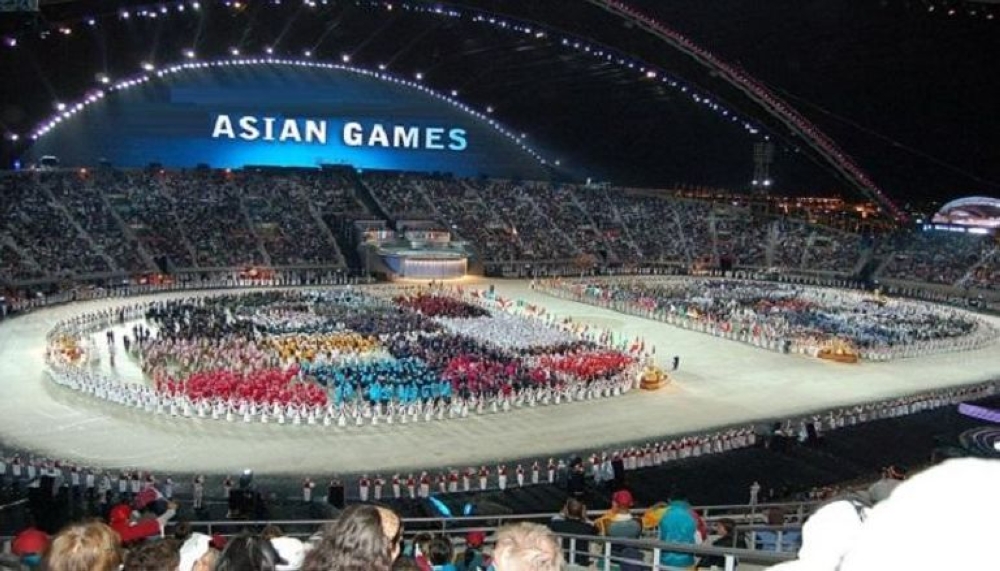
The Olympic Council of Asia has officially announced that Almaty, Kazakhstan, will host the 2029 Asian Winter Games. This decisive decision comes after Saudi Arabia withdrew its bid to host the major sporting event, which was scheduled to be held in the futuristic city of Trogina within the NEOM project, thus reopening the door for other cities with experience in winter sports.
Background to the decision and challenges of NEOM
The decision to award Saudi Arabia the right to host the Games in October 2022 sparked widespread controversy in international sporting circles, given the region's desert landscape and the complete reliance on artificial snow and infrastructure that would have to be built from scratch. Despite the ambitious Trogina project as a unique mountain resort, the logistical and environmental challenges were significant. With Saudi Arabia withdrawing its bid, the Olympic Council of Asia moved swiftly to find a suitable alternative that would ensure the Games were held on schedule and to the highest standards, ultimately selecting Almaty, a city possessing all the necessary attributes.
Kazakhstan's experience and ready infrastructure
Kazakhstan, and Almaty in particular, is a logical and ideal choice to host this event. The city boasts a long history of winter sports and a proven, well-developed infrastructure. Kazakhstan successfully hosted the seventh edition of the Asian Winter Games in 2011, with the events co-hosted by Almaty and Astana (now Nur-Sultan). Almaty also submitted a strong and competitive bid to host the 2022 Winter Olympics, narrowly losing to Beijing, China, further demonstrating its readiness and capability to organize major international sporting events.
The importance and expected impact of the event
This decision represents a return to the traditional approach of hosting winter events, relying on cities with suitable natural climates and existing facilities, such as the renowned Medeu Ice Rink and Shymbulak Ski Resort. Domestically, hosting the Games will enhance Kazakhstan's position as a leading winter sports and tourism destination in Asia and will contribute to boosting the local economy. Regionally and internationally, this change is seen as a step towards greater sustainability in organizing major sporting events, a trend that is gaining increasing support from both international sports federations and the public. By choosing Almaty, the Olympic Council of Asia is ensuring a successful and sustainable Winter Games in 2029, building on the Kazakh city's established experience and infrastructure.