A pioneering initiative to protect marine ecosystems
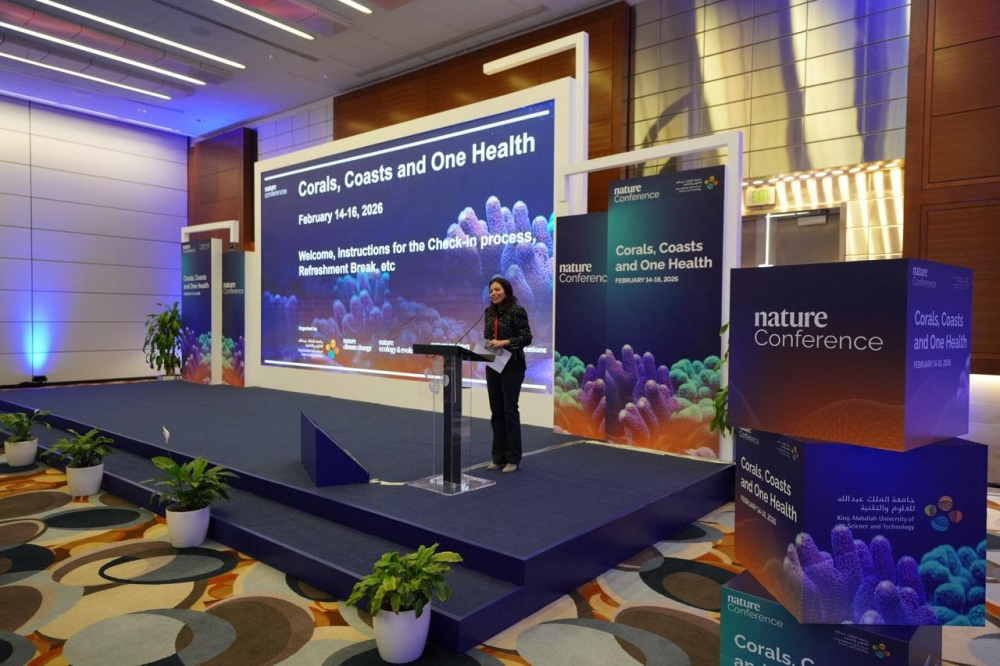
In a proactive move to address growing environmental challenges, King Abdullah University of Science and Technology (KAUST), in collaboration with leading global and local environmental organizations, launched urgent implementation strategies aimed at shifting coral reef protection efforts from monitoring to active restoration. This announcement came at the conclusion of an international conference hosted by the university at its Thuwal campus, which brought together scientists, researchers, and policymakers from around the world to protect the Kingdom’s coastal ecosystems and ensure the sustainability of food security and natural resources.
Global context: Why now?
Coral reefs, often described as the “rainforests of the sea,” are among the most diverse and vital ecosystems on Earth, supporting nearly a quarter of all marine life. Yet today, they face an unprecedented existential threat. Over the past few decades, climate change has caused ocean temperatures to rise, triggering devastating coral bleaching events. The world has witnessed several global bleaching events, most notably between 2014 and 2017, which wiped out vast areas of coral reefs worldwide. Furthermore, other factors such as pollution, overfishing, and unsustainable coastal development are exacerbating the crisis, making immediate action imperative, not optional.
The importance of the initiative and its expected impact
KAUST’s initiative is of exceptional importance on several levels. Locally , these efforts align directly with the goals of Saudi Vision 2030, which places environmental sustainability at the heart of its mega-projects such as NEOM, the Red Sea Project, and Amaala, projects that rely heavily on the attractiveness and integrity of the Red Sea’s marine ecosystems. Protecting coral reefs also means protecting fish stocks, a primary source of food and livelihoods for coastal communities. Regionally , this initiative positions the Kingdom as a leader in marine conservation in the Red Sea region and can serve as a model for neighboring countries. Internationally , the Red Sea’s coral reefs possess a unique ability to withstand high temperatures compared to their counterparts worldwide, making them a vital natural laboratory for studying ways to enhance coral resilience globally. Therefore, the research and technologies that KAUST and its partners will develop can offer solutions applicable worldwide.
Towards strategic integration to protect the future
The conference emphasized the need to translate scientific knowledge and compelling evidence into practical and scalable conservation plans. The sessions witnessed remarkable strategic integration between KAUST and major national entities such as Red Sea International and the National Center for Wildlife Development, aiming to unify coastal development efforts and develop governance frameworks that ensure the long-term resilience of ecosystems. Professor Raquel Peixoto, a marine scientist at KAUST, explained that coral reef degradation is not only an environmental challenge but also has direct implications for human health and the economy, stressing that the “One Health” approach, which links environmental and human health, is the only way to guarantee a sustainable future.