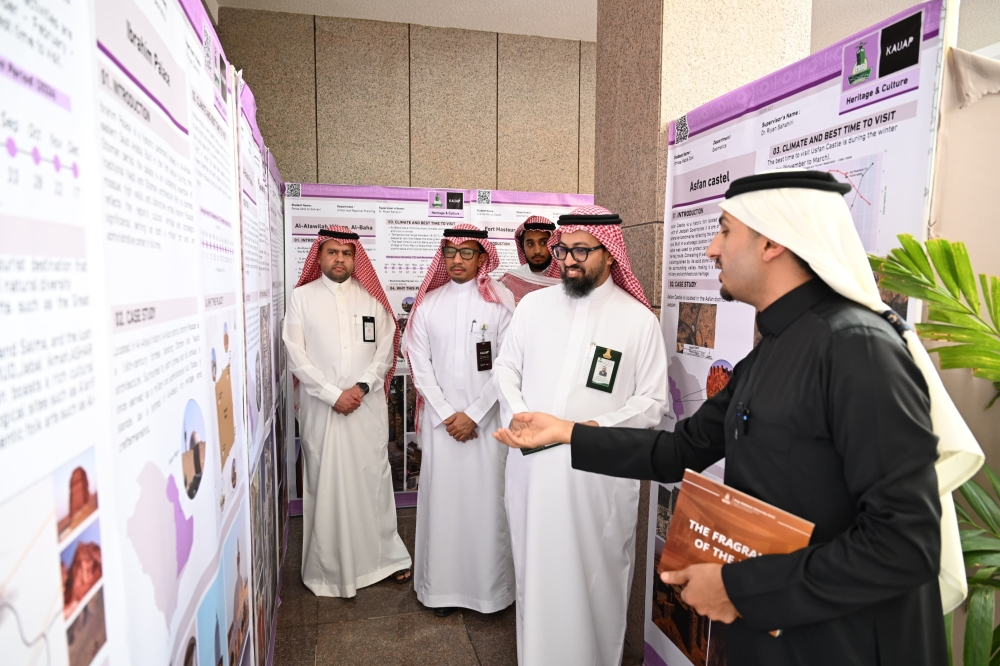
In a pioneering move that blends the authenticity of the past with the technologies of the future, King Abdulaziz University, also known as the Founder's University, inaugurated the "Echoes of the Past" exhibition, highlighting the richness and diversity of Saudi Arabia's architectural heritage. Organized by the Geomatics Department at the Faculty of Architecture and Planning, the initiative aims not only to showcase the aesthetics of traditional architecture but also to document and preserve it for future generations using the latest artificial intelligence and geospatial information systems, in line with the goals of the Kingdom's Vision 2030.
Historical context: Treasures of Saudi architecture
The architectural heritage of Saudi Arabia is a living record of its cultural and social history. Across its diverse geography, unique architectural schools have emerged, adapting to the environmental and climatic conditions and available local materials. In the central region, the Najdi style, based on mud-brick construction, stands out, characterized by its simple, sturdy buildings and geometric stucco decorations. In the Hejaz to the west, architecture is exemplified by the ornate wooden "rawashin" windows that adorn building facades, serving not only as aesthetic elements but also as effective tools for privacy, ventilation, and lighting. In the south of the Kingdom, the architecture of the Asir region reflects a unique art form known as "Al-Qatt Al-Asiri," where women decorate the interior walls of houses with vibrant colors and cheerful patterns.
“The Scent of the Past”: A pioneering initiative to document identity
The “Echoes of the Past” exhibition offers a contemporary interpretation of this rich heritage. Through innovative student projects, the event showcased how geomatics and artificial intelligence can play a pivotal role in preserving architectural identity. The exhibition featured 3D digital models, detailed spatial analyses, and interactive displays that brought to life the architectural styles of various regions across the Kingdom. Dr. Rayan Sahahiri, the exhibition's curator, explained that the aim was to move beyond traditional displays to rigorous scientific documentation that allows for in-depth study and understanding of these styles. This, in turn, contributes to improving the quality of future urban development projects and inspiring sustainable designs that capture the spirit of the past.
Significance and impact: Beyond just an exhibition
The significance of this initiative extends beyond the university walls, touching upon strategic national objectives. Locally, these efforts contribute to one of the key pillars of Vision 2030: preserving national heritage and strengthening Saudi identity. Furthermore, by hosting student delegations from schools, it instills in younger generations an awareness of the importance of their architectural heritage and provides them with inspiring examples of how science can be used to serve culture. Regionally and internationally, documenting architectural heritage using these advanced technologies positions the Kingdom among the leading nations in digital heritage preservation, enriches tourism and cultural experiences, and offers valuable scholarly material for researchers and those interested in Islamic and Arab architecture worldwide.