In a move reflecting the rapid development of the healthcare sector in Saudi Arabia, King Abdullah Medical City in Makkah, a member of the Makkah Health Cluster, has achieved a remarkable medical and technological milestone by employing smartwatch technology to monitor cardiac patients. This project is a strategic integration with Makkah Virtual Hospital, part of the Seha Virtual Hospital network, with the aim of improving patient quality of life and raising safety standards.
A pioneering experience in digital healthcare
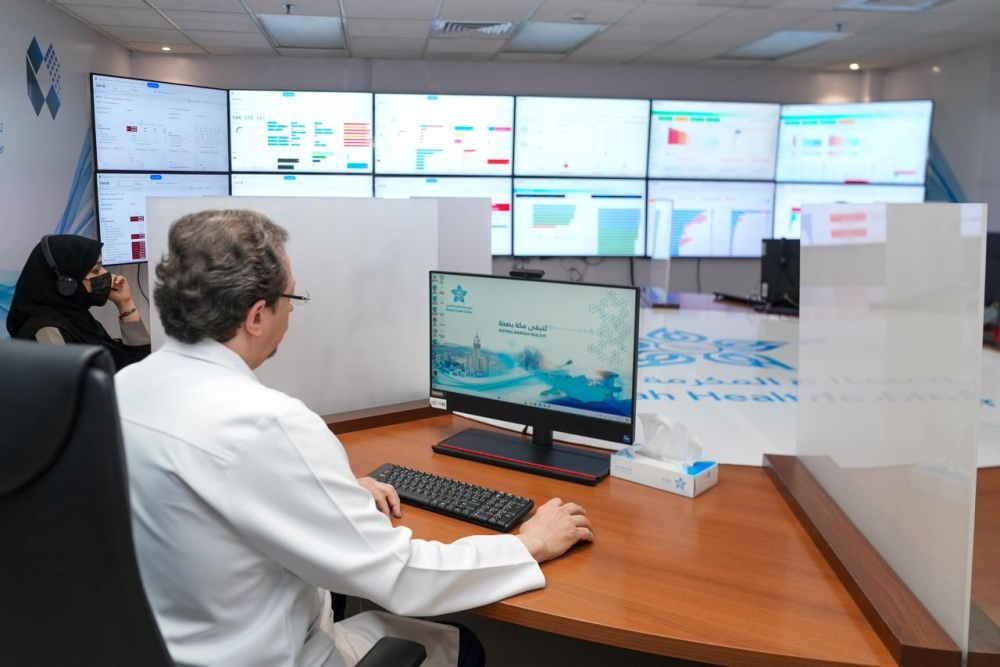
The medical city announced the success of its remote health monitoring program, which closely monitored 40 cardiac patients for three consecutive months. This advanced system relied on the real-time transmission of vital signs, specifically heart rate and rhythm, to a specialized monitoring team. This technology has transformed the care model from traditional monitoring requiring physical presence to proactive, intelligent care based on real-time data analysis, thereby enhancing patient adherence to treatment plans and reducing the need for unnecessary hospital visits.
Accurate and promising clinical results
Data from the program demonstrated the effectiveness of integrating medical and nursing staff with digital solutions. 74% of patients enrolled in the program were classified as “high risk,” meaning they had advanced heart failure, a category typically associated with high rates of hospitalization and complications. Through continuous monitoring, the medical team was able to accurately detect cardiac arrhythmias, with results including:
- 15% extra heartbeats.
- 13% of cases are atrial fibrillation.
- 3% non-continuous ventricular acceleration.
These figures were not just statistics, but vital indicators that enabled doctors to intervene early before the clinical deterioration of cases.
The importance of the shift towards telemedicine and Vision 2030
This step is of paramount importance within the context of the healthcare transformation underway in the Kingdom as part of Vision 2030, which aims to digitize the healthcare sector and facilitate access to medical services. The virtual hospital, the largest of its kind in the world, and these practical applications in Makkah, serve as tangible proof of the success of the "Internet of Medical Things" (IoMT) model. This model helps reduce the burden on emergency rooms, optimize healthcare spending, and free up beds for the most critical cases, while ensuring that stable patients remain under close observation at home.
From data to treatment decisions
The service didn't stop at monitoring; it extended to making crucial treatment decisions. The medical city explained that digital indicators were translated into direct clinical interventions, with post-discharge outcomes including 35% virtual visits and 28% emergency visits, most of which were preventative and proactive. Cardiac readmissions were low, at only 10%, in addition to 8% pre-planned admissions based on accurate readings. This model underscores King Abdullah Medical City's commitment to smart and safe healthcare, paving the way for expanding this experience to other patient groups in the future.