The medical staff at King Abdullah Medical City in the Holy Capital recorded a new medical achievement that adds to the record of successes of the health sector in the Kingdom, as the interventional radiology team was able to save the life of a young patient who was facing imminent danger as a result of complex health complications.
In detail, the medical city, an active member of the Makkah Health Cluster, received an emergency case of a patient suffering from systemic lupus erythematosus accompanied by chronic kidney failure. The patient had reached a critical stage characterized by the complete loss of all vascular access points (venous access) necessary for dialysis , which put her life at risk.
precise medical and practical challenges
The medical team classified the case as "highly complex," as detailed examinations revealed a complete blockage of all central veins, including those in the neck and groin, resulting from the repeated and prolonged use of therapeutic catheters in previous stages. This blockage had posed a major obstacle for medical teams in other healthcare facilities who had previously attempted, unsuccessfully, to find a vascular access point.
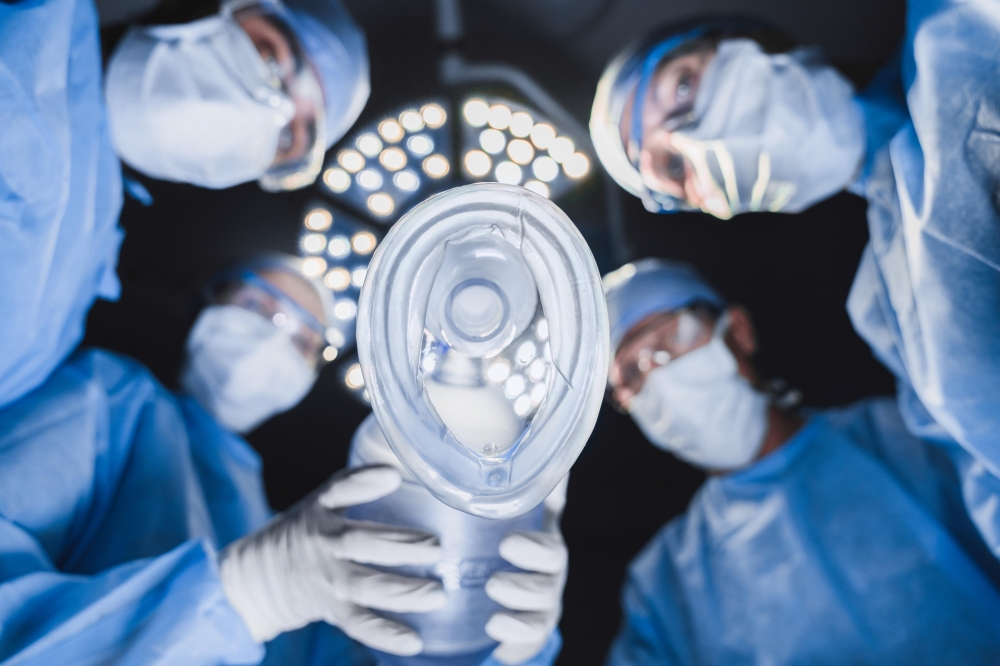
Thanks to God, and then thanks to the advanced technical equipment and qualified human expertise in the Interventional Radiology Department in the city, the team succeeded in performing a delicate intervention that involved reopening a completely closed venous path and successfully inserting a dialysis catheter without any side effects, which allowed the patient to return to dialysis sessions and stabilize her vital signs.
The context of the disease and the importance of urgent intervention
Systemic lupus erythematosus (SLE) is a chronic autoimmune disease whose complications can lead to lupus nephritis, causing kidney failure that requires regular hemodialysis to remove toxins from the blood. In such cases, the blood vessels are considered the patient's lifeline, and any loss of access to them means the cessation of treatment and the accumulation of deadly toxins in the body, highlighting the critical importance of this medical breakthrough in saving lives.
King Abdullah Medical City: An advanced healthcare reference
This success reflects the pivotal role of King Abdullah Medical City as a specialized quaternary care center in the Western Region, receiving the most complex cases that are difficult to manage in general hospitals. This integration between the interventional radiology, nephrology, and emergency departments underscores the efficiency of the healthcare system and its ability to handle critical medical crises.
This achievement is in line with the objectives of the Health Sector Transformation Program within the Kingdom’s Vision 2030, which focuses on facilitating access to health services, improving the quality and efficiency of treatment services, and harnessing the latest global technologies to serve citizens, residents, and pilgrims in Makkah.