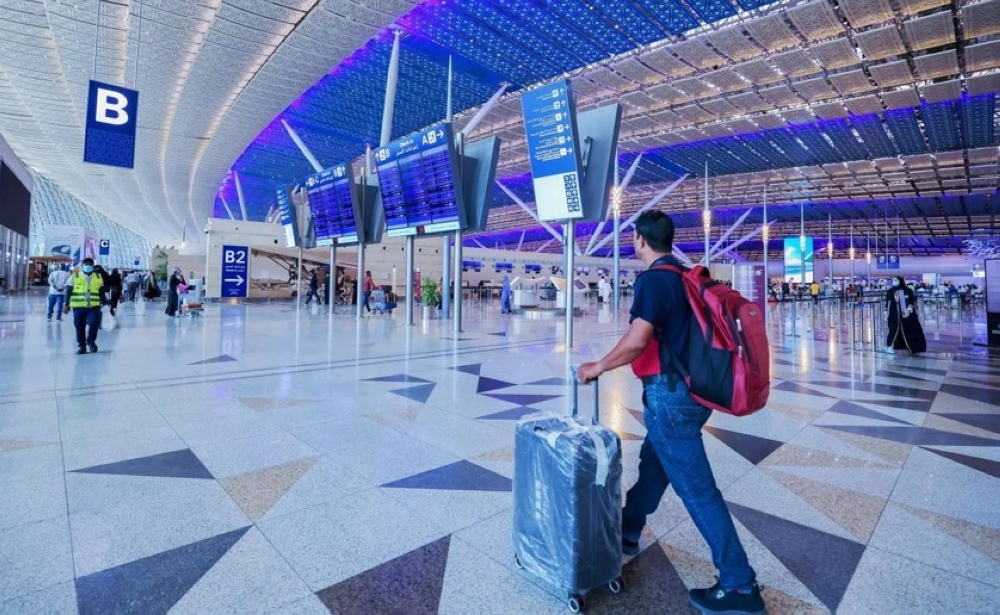
In a move reflecting the rapid development of the Saudi aviation sector, King Abdulaziz International Airport in Jeddah announced the activation of "cross-take" operations on all three of its runways, after fulfilling all technical requirements and obtaining approval from the General Authority of Civil Aviation. This procedure is a first of its kind among the Kingdom's airports, placing the airport among the world's leading airports that implement the latest operational methodologies.
What is cross-start and why is it important?
The Cross Take-off system is a complex engineering and operational solution that allows air traffic controllers to manage aircraft movement with high flexibility. It utilizes available runways simultaneously or sequentially in a way that ensures maximum efficiency while maintaining stringent safety standards. The significance of this system lies in its role as a cornerstone for increasing airport capacity without the need for new concrete construction at present, but rather through the optimal utilization of existing infrastructure.
Strategic context: Vision 2030 and the aviation sector
This achievement cannot be separated from the general context of the National Transport and Logistics Strategy stemming from the Kingdom’s Vision 2030, which aims to increase the capacity of Saudi airports to reach 330 million passengers annually by 2030. As the main gateway to the Two Holy Mosques, King Abdulaziz Airport bears a large operational burden, especially during peak seasons such as Hajj and Umrah, making the application of technologies such as cross-takeoff a pressing necessity to ensure the flow of air traffic and connect the Kingdom to the three continents with high efficiency.
6 strategic advantages of cross-launch
This operational transformation contributes to achieving a range of direct and indirect gains, the most prominent of which can be summarized in six key points:
- Increased operational efficiency: Enhanced airport capacity to manage a greater number of flights per hour.
- Reduce waiting time: Reduce the time aircraft spend in taxiways before takeoff.
- Optimal use of runways: intelligently distributing air traffic across the three runways to prevent aircraft from congesting on a single path.
- Enhancing environmental sustainability: Reducing engine idling time on the ground contributes to lowering fuel consumption and reducing carbon emissions, which is in line with the Saudi Green Initiative.
- Peak season management: Providing practical solutions to alleviate air traffic congestion during busy seasons.
- Improving the traveler experience: The smooth flow of air traffic positively impacts flight punctuality, which raises passenger satisfaction rates.
In conclusion, this measure represents a qualitative leap that confirms the readiness of the Kingdom’s civil aviation infrastructure to accommodate the expected future growth, and enhances the position of King Abdulaziz Airport as a pivotal global logistics hub.