Introduction: A role model in the world of football
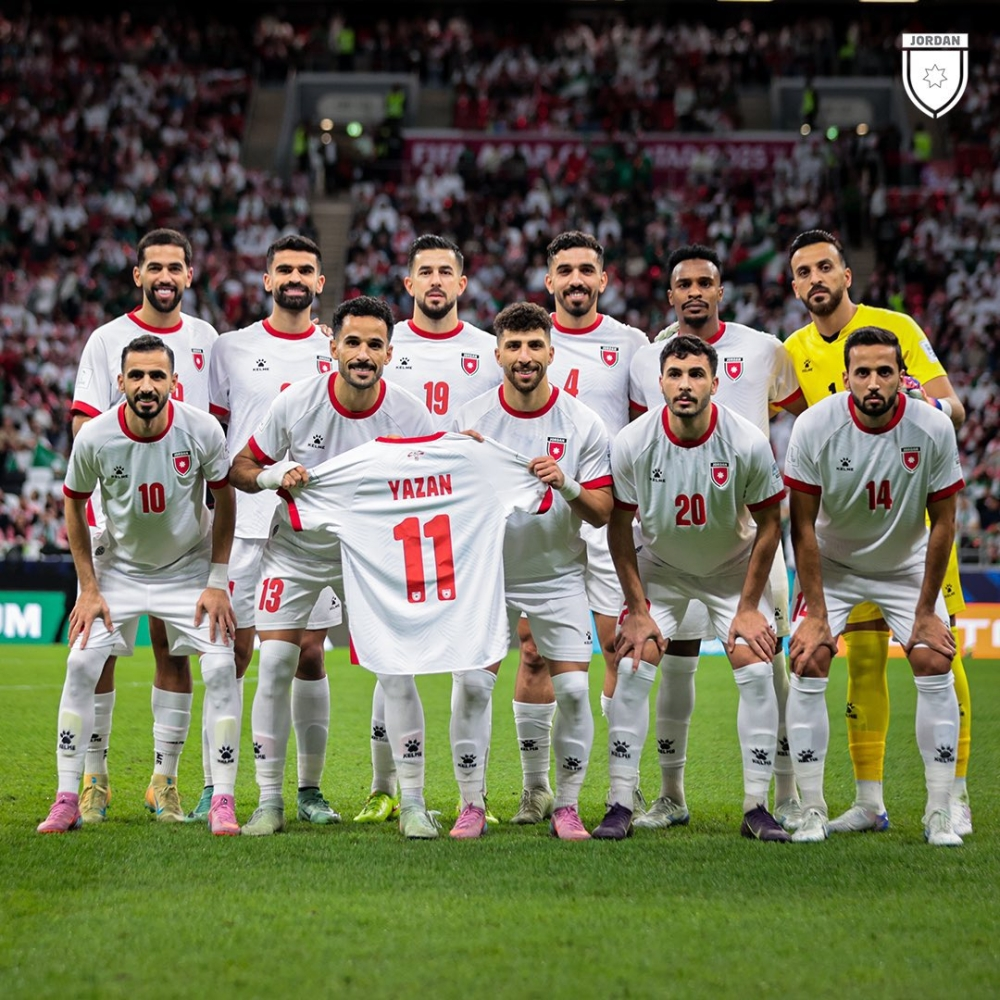
In the modern world of football, where massive budgets and multi-million dollar player deals dominate the scene, the Jordanian national football team, nicknamed "Al-Nashama" (The Brave Ones), stands out as an exceptional example proving that ambition, strategic planning, and confidence in local talent can create glory that transcends material resources. Their historic achievement of reaching the 2023 AFC Asian Cup final and their continued strong performance in the 2026 FIFA World Cup qualifiers did not come about by chance, but rather are the culmination of a journey of development and perseverance, offering Jordan an inspiring lesson for sports federations in the region and the world.
Historical background: The seeds of success were sown early
The rise of Jordanian football was not a sudden phenomenon. Fans still vividly remember the epic 2014 World Cup qualifiers, when the Jordanian national team, Al-Nashama, reached the intercontinental play-offs to face a star-studded Uruguayan side. Despite not qualifying, that experience instilled confidence and proved that Jordanian football is capable of competing with the best. The following years brought periods of inconsistency, but institutional work continued in the background, focusing on developing youth categories and honing local talent. This paved the way for the current generation, which has unleashed its potential on the continental stage.
Accumulation strategy: From the Arab Cup to the Asian Cup final
What distinguishes the Jordanian experience is its reliance on a "cumulative" strategy rather than seeking quick, fleeting victories. The strong performance displayed in the 2021 Arab Cup in Qatar was not a fluke, but rather a milestone in building a team with a distinct identity and character. Unlike many national teams that might crumble at the first setback or change their coaching staff after every loss, the Jordanian Football Association demonstrated strategic patience, particularly with Moroccan coach Hussein Ammouta. While he faced initial criticism, he received support and trust, allowing him to implement his vision and transform good performances into a winning culture and a mentality that doesn't give up easily.
The technical paradox: a modest league and a fierce national team
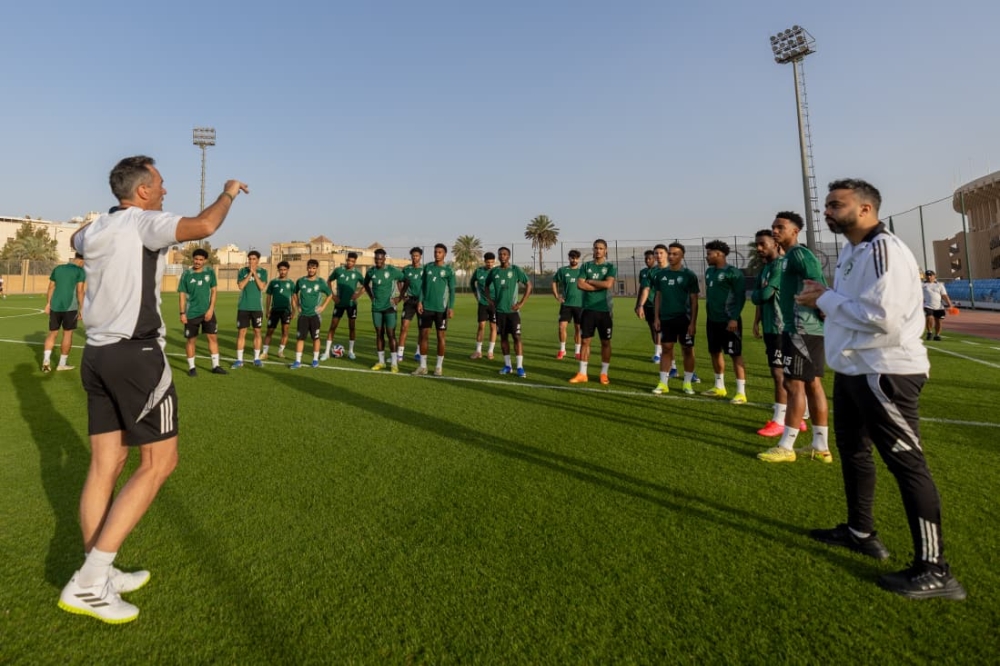
The brilliance of the Jordanian model becomes apparent when compared to national teams with domestic leagues boasting astronomical budgets. While leagues like the Saudi league attract the world's brightest stars, their national teams still sometimes suffer from inconsistent performances. In contrast, the Jordanian league, despite its limited financial resources, produces players with tactical discipline and a high fighting spirit. This reality sends a clear message: investing in foreign stars does not necessarily guarantee national team success without long-term planning focused on developing local players, giving them opportunities, and fostering their confidence.
Regional and international influence: Jordan inspires aspiring leaders
Jordan's success is no longer merely a local achievement; it has gained regional and international influence. Domestically, this accomplishment has ignited a sense of national pride and inspired a new generation of young people to take up football. Regionally, Jordan has presented a viable model for countries with similar resources, demonstrating that success is not limited to the wealthy. Internationally, the Jordanian national team has earned considerable respect and is now viewed as a formidable opponent, enhancing the overall standing of Asian football.
The system above the star: the secret of collective power
One of the most important secrets to the strength of the Jordanian national team is its emphasis on a "team of stars" rather than a "lone star." The team doesn't rely on a single player to decide matches, but rather on a cohesive and integrated system. Even its most prominent players, such as Musa Al-Taamari, who plays professionally in the French league, and Yazan Al-Naimat, adhere to their roles within the coach's tactical plan. This collective spirit makes the team a cohesive unit, capable of compensating for the absence of any player without affecting the overall performance, as clearly demonstrated in their ability to face formidable teams like South Korea and Japan with composure and confidence.