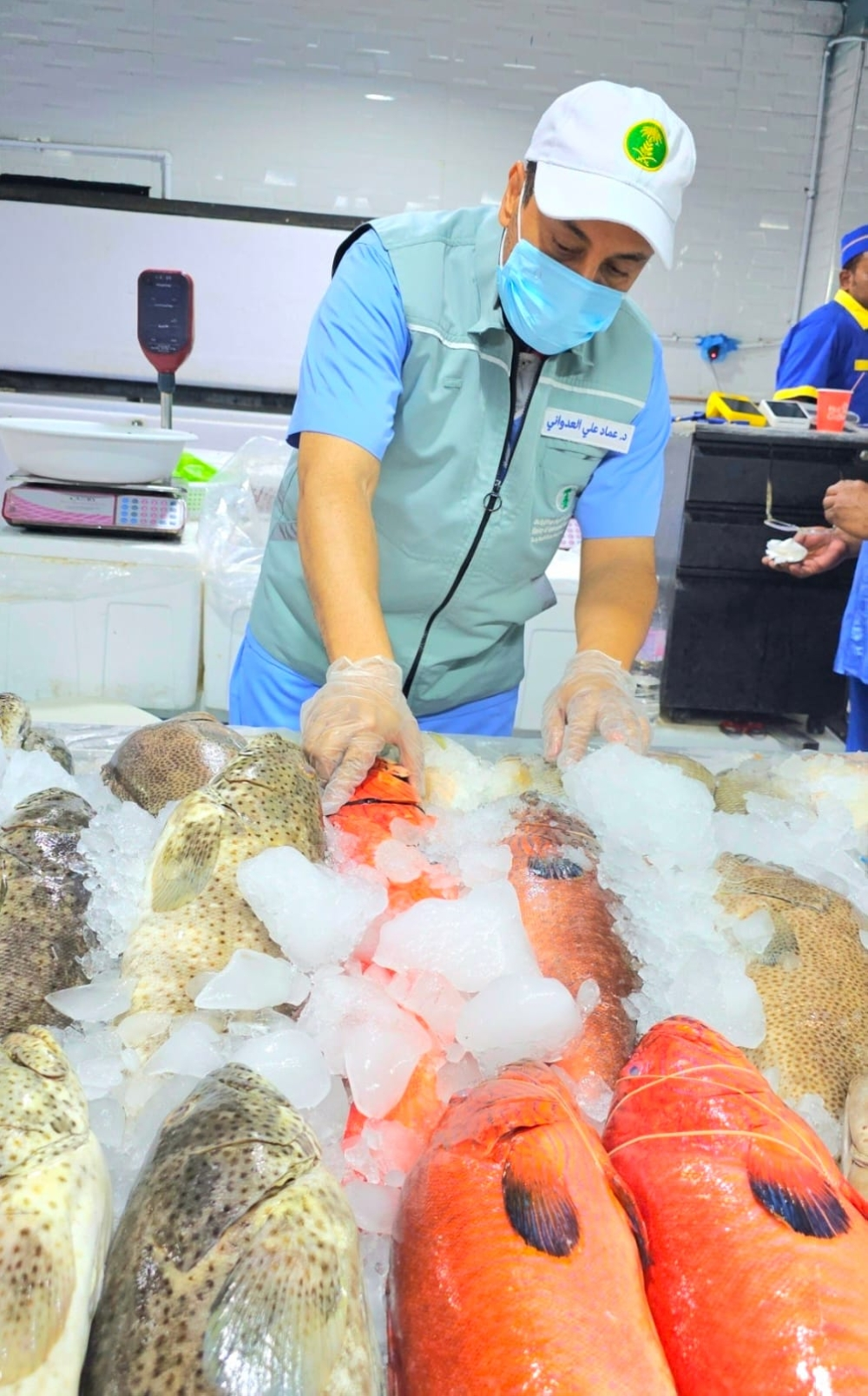
في إطار جهودها المستمرة لضمان سلامة الغذاء وحماية صحة المستهلكين، نفذ فرع وزارة البيئة والمياه والزراعة بمنطقة مكة المكرمة حملة رقابية مكثفة على أسواق ومناشئ المنتجات البحرية في محافظة جدة. وأسفرت هذه الحملة عن ضبط كميات كبيرة من الأسماك الفاسدة وغير الصالحة للاستهلاك الآدمي، وتسجيل مئات المخالفات المتعلقة بالاشتراطات الصحية والفنية.
نتائج الحملة الرقابية بالأرقام
أعلنت الوزارة أن جهود فرقها التفتيشية أدت إلى مصادرة وإتلاف ما مجموعه 1110 كيلوجرامات من الأسماك بعد أن أثبت الفحص المخبري عدم صلاحيتها للاستهلاك. كما تم تسجيل ما يزيد عن 738 مخالفة وإنذاراً داخل سوق السمك المركزي وحده. وشملت المخالفات المضبوطة بيع أسماك مجهولة المصدر، وسوء التخزين، وعدم الالتزام بدرجات الحرارة المناسبة، بالإضافة إلى مخالفات في وسائل النقل وتلاعب في بطاقات البيانات التعريفية للمنتجات.
السياق العام وأهمية الرقابة في جدة
تأتي هذه الحملات في سياق الأهمية الكبرى التي تحظى بها مدينة جدة كبوابة رئيسية للحرمين الشريفين وكونها مدينة ساحلية يعتمد اقتصادها وسوقها الغذائي بشكل كبير على المنتجات البحرية. ويعد سوق السمك المركزي في جدة أحد أكبر الأسواق في المملكة، مما يجعله نقطة محورية تتطلب رقابة مستمرة لضمان جودة وسلامة ما يُعرض فيه من منتجات تصل إلى ملايين المستهلكين من سكان وزوار. إن الحفاظ على سمعة هذا السوق الحيوي يعزز الثقة في المنتجات المحلية ويدعم قطاع الصيد والاستزراع المائي.
جهود مستمرة ضمن رؤية المملكة 2030
تندرج هذه الجهود الرقابية ضمن استراتيجية أوسع تتبناها وزارة البيئة والمياه والزراعة لتعزيز منظومة الأمن الغذائي في المملكة، والتي تعد إحدى الركائز الأساسية في رؤية السعودية 2030. تهدف الرؤية إلى تحسين جودة الحياة للمواطنين والمقيمين، ويأتي ضمان سلامة الغذاء في مقدمة أولوياتها. لذا، فإن تكثيف الجولات التفتيشية لا يمثل إجراءً مؤقتاً، بل هو جزء من عمل مؤسسي مستمر يهدف إلى رفع مستوى الوعي والالتزام بالمعايير الصحية لدى جميع العاملين في قطاع الأغذية. وأكد المهندس وليد آل دغيس، مدير عام فرع الوزارة بالمنطقة، أن الفرق نفذت 3132 جولة تفتيشية شملت 240 منشأة خلال الشهرين الماضيين فقط.
التأثير المتوقع والإجراءات المتخذة
إن ضبط هذه الكميات الكبيرة من الأسماك الفاسدة لا يمنع وصولها للمستهلكين فحسب، بل يبعث برسالة ردع قوية للمخالفين. وأوضح المهندس جمعان الزهراني، مدير إدارة الأسواق والمسالخ، أنه تم ضبط ما يقارب 10 أطنان من المنتجات البحرية والخضراوات خلال الحملات، مع تطبيق العقوبات النظامية بحق المخالفين. كما أن تسليم نصف طن من المنتجات الصالحة التي تم ضبطها للجمعيات الخيرية بعد فحصها يعكس جانباً إنسانياً واجتماعياً لهذه الحملات، حيث يتم تحويل المخالفة إلى فرصة لدعم الفئات المحتاجة بغذاء آمن وموثوق. وشدد فرع الوزارة على استمرار جولاته الدورية والمفاجئة، داعياً كافة المستثمرين إلى الالتزام بالأنظمة واللوائح المعمول بها لضمان سلامة المجتمع.