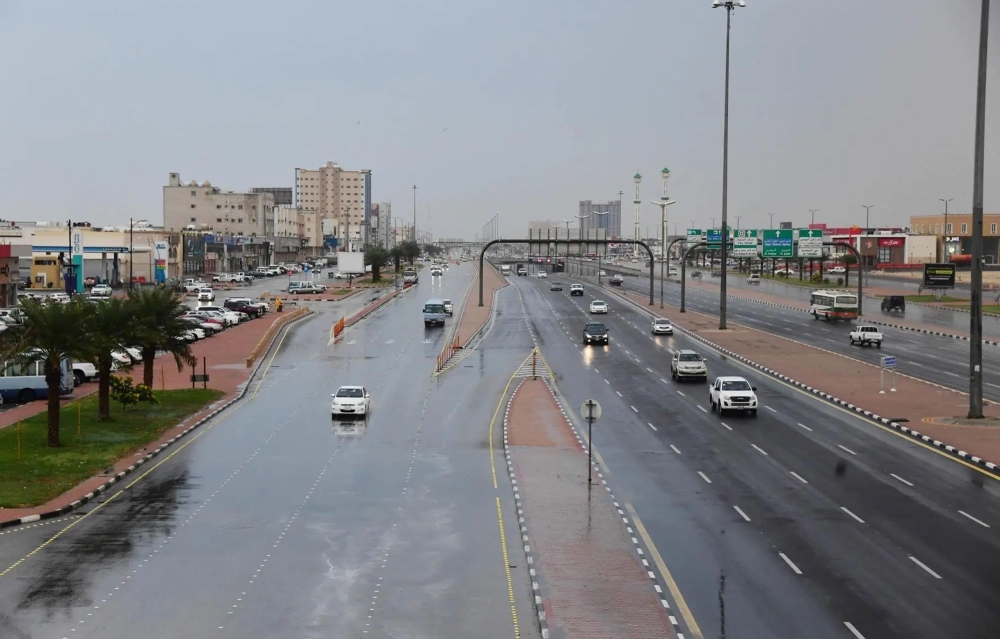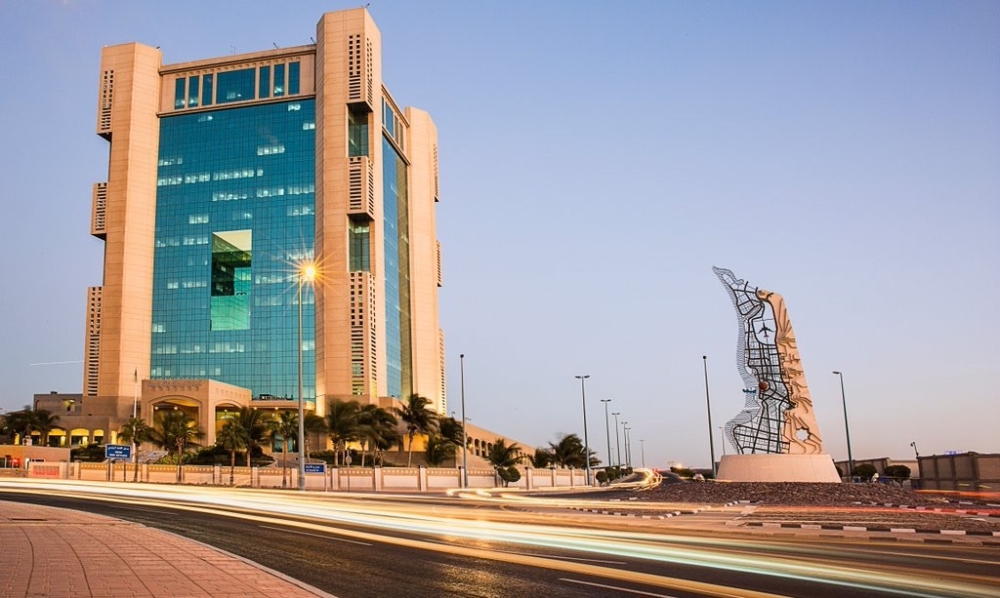
In response to periodic reports and warnings issued by the National Center for Meteorology, the Jeddah Municipality announced a state of maximum alert to deal with rainfall in Jeddah in the coming days. The municipality has already begun implementing comprehensive field plans and taking all necessary precautionary measures by deploying monitoring teams and specialized equipment throughout the city. This aims to enhance preparedness and coordination with all relevant authorities to ensure the safety of lives and property.
Activating field support centers to contain Jeddah's rains
As part of its early preparations for the season, the municipality raised its readiness level to maximum by strengthening and equipping 15 field support centers, strategically distributed across 11 sub-municipalities. These centers serve as mini operations rooms for rapid response to any emergency. In addition, field teams intensified routine maintenance and comprehensive cleaning of existing stormwater drainage networks, ensuring the full operational readiness of pumps and heavy equipment, and deploying personnel at critical points to guarantee a swift response and prevent any water accumulation that could impede traffic flow.
Infrastructure development efforts and history of dealing with rainy weather conditions
These extensive preparations are an extension of a series of mega-projects that Jeddah, the Bride of the Red Sea, has witnessed in recent years. Since the historic rainfall events that affected the province in 2009 and 2011, the Saudi Arabian government has prioritized the development of Jeddah's infrastructure. Massive stormwater drainage projects were implemented, including the construction of protective dams and main and secondary drainage channels, which have significantly reduced risks and protected residential areas. Today, the city is reaping the benefits of these strategic projects, which have made dealing with volatile weather conditions more organized and effective.
The strategic and economic dimensions of successful emergency plans
The importance of successful emergency plans extends beyond the local aspect of protecting residents and facilitating their daily lives; it encompasses significant economic and tourism dimensions. Jeddah is the main gateway to the Two Holy Mosques and the most important commercial center in the Western Region. Therefore, maintaining smooth traffic flow and ensuring the continued operation of ports, airports, and vital facilities during rainfall enhances the city's regional and international standing as a safe and stable destination. This high level of organization also reflects the government's ability to manage crises and disasters efficiently and professionally, thus bolstering the confidence of both investors and visitors.
Community awareness and joint coordination
In a related context, the Jeddah Municipality affirmed its continued and close monitoring of alerts issued by the National Center for Meteorology and its direct coordination with the Crisis and Disaster Management Center of the Makkah Region. In addition to its field efforts, the Municipality launched intensive awareness campaigns across its various official channels and social media platforms. These messages aim to guide residents and visitors on safe routes and warn against approaching flood channels and water accumulations, ensuring their safety and supporting the efforts of relevant authorities in the field. This embodies the concept of community partnership in addressing climate challenges.