A warm welcome for the first sea voyages of pilgrims
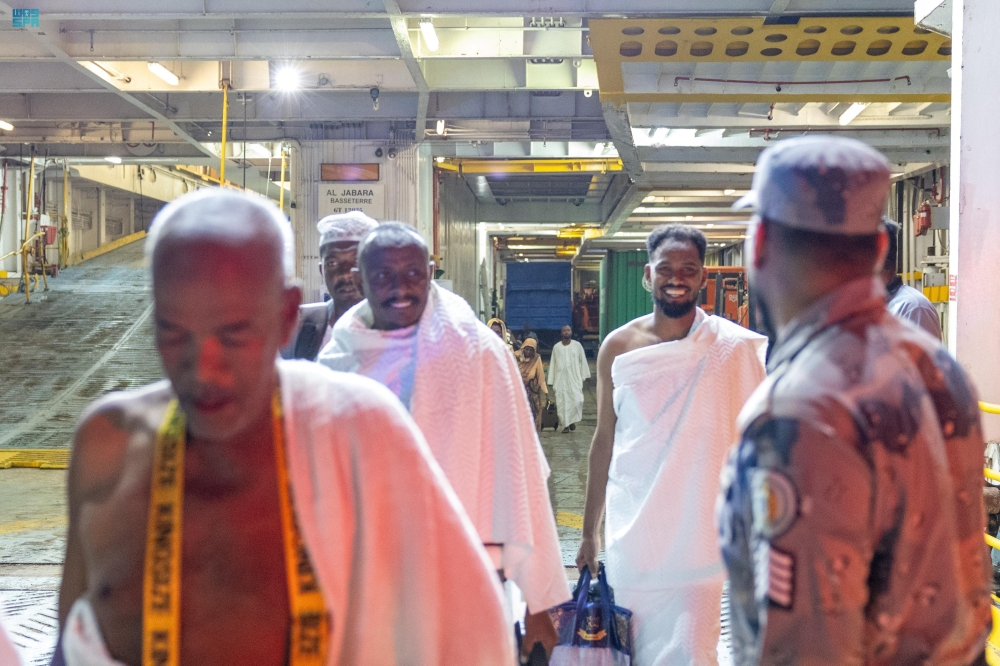
With the arrival of the holy month of Ramadan 1447 AH, Jeddah Islamic Port welcomed the first groups of pilgrims arriving by sea to perform Umrah. The General Directorate of Border Guards, responsible for securing the ports of entry, organized an official and well-structured reception for the pilgrims, reflecting the extensive preparations and efforts undertaken to ensure the comfort and safety of pilgrims from the moment they arrive in the Kingdom of Saudi Arabia.
The Director General of the Border Guard, Major General Shaye’ bin Salem Al-Wadaani, confirmed that the Directorate has harnessed all its human and technical capabilities to facilitate the entry procedures for pilgrims and enhance the quality of services provided to them, within an integrated system of security and field services that operate around the clock at all land and sea ports.
Historical background and religious significance
Jeddah Islamic Port has historically been the main gateway to the Two Holy Mosques for those arriving by sea, having received millions of pilgrims throughout the ages. Umrah during Ramadan holds a special spiritual significance for Muslims, as the reward is multiplied and a profound atmosphere of faith pervades, prompting millions from around the world to travel to Mecca. The Kingdom of Saudi Arabia, both its leadership and its people, prioritizes serving the guests of God, considering it a great honor and historical responsibility.
The effects of the event and its national and international dimensions
The arrival of pilgrims is not merely a religious event; it also has significant economic and social dimensions. Locally, the influx of pilgrims stimulates economic activity in Jeddah and Mecca, including the hotel, transportation, and retail sectors. The successful management and organization of these large numbers reflects the efficiency and coordination of Saudi government agencies, aligning with the objectives of the "Guests of God Service Program," a key component of the Kingdom's Vision 2030, which aims to enrich and enhance the Hajj and Umrah experience.
At the regional and international levels, these efforts reinforce the Kingdom's position as the heart of the Islamic world and underscore its leading role in serving Muslims and facilitating their religious rites. They also project a positive image of hospitality and excellent organization, encouraging more Muslims worldwide to visit the holy sites and deepening the spiritual and cultural ties among Islamic peoples.