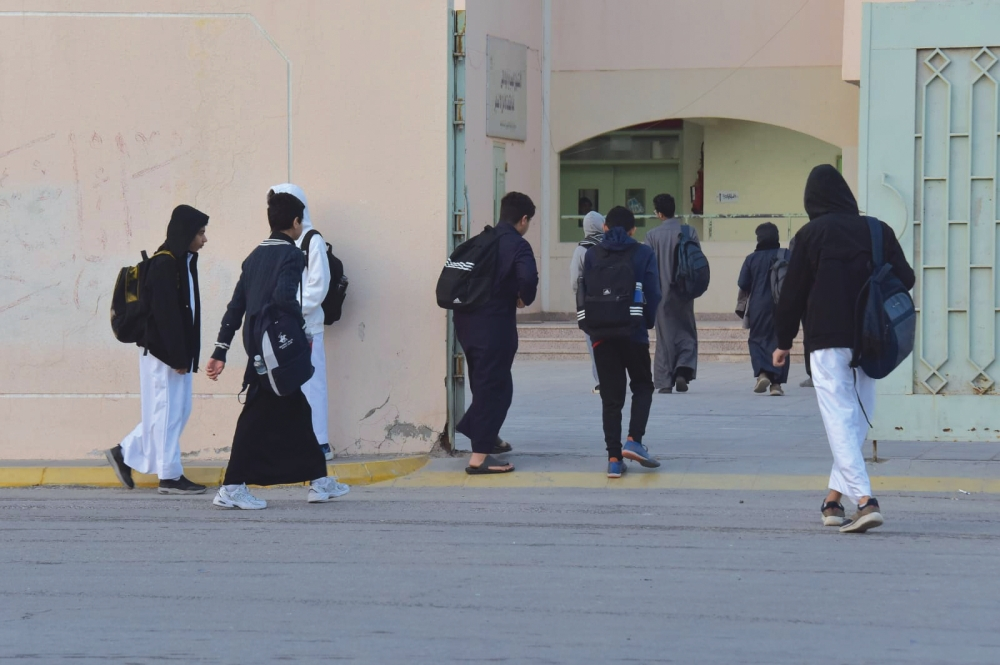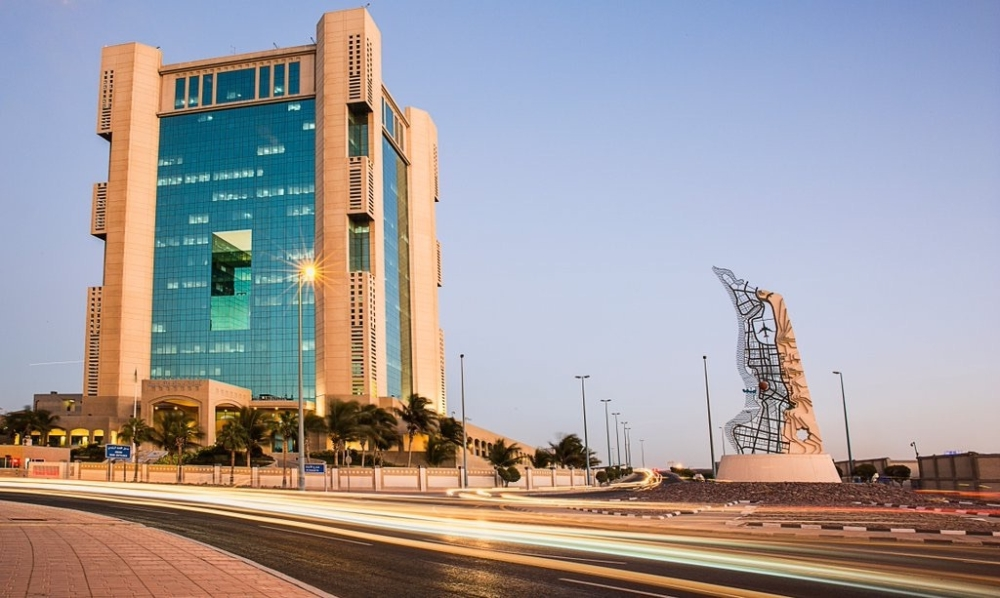
The Jeddah Municipality announced the adoption of its comprehensive seasonal plan in preparation for the holy month of Ramadan and Eid al-Fitr 1447 AH. The plan, which includes exceptional measures, aims to raise the level of municipal services, ensure food safety, and enhance the urban landscape, prioritizing the health and comfort of the city's residents and visitors during this period of high population density and increased commercial activity.
General context and the importance of Jeddah as a gateway to the Two Holy Mosques
These preparations are particularly important given Jeddah's status as a major gateway to the Two Holy Mosques. During Ramadan, the city receives a massive influx of pilgrims and visitors from around the world on their way to Mecca, placing significant strain on infrastructure and services. These annual operational plans are part of a comprehensive system of efforts undertaken by the Kingdom of Saudi Arabia to serve the guests of God. The Municipality works in coordination with various government agencies to ensure a smooth and safe experience for all, reflecting the Kingdom's commitment to providing the highest standards of care for visitors to the holy sites.
Plan themes and expected impact
The plan is based on several key pillars, foremost among them being intensified health and field inspections. Municipality teams will conduct intensive and regular inspection tours covering markets, major shopping centers, restaurants, kitchens, and meat, poultry, and fish shops. Particular emphasis will be placed on businesses directly related to Ramadan consumption, such as outlets selling dates, sweets, nuts, juices, and dairy products, to ensure compliance with all health regulations and the safety of the products offered.
Regarding public hygiene and environmental sanitation, the municipality explained that it has developed flexible operational plans to ensure the cleanliness of streets, public facilities, and gathering places. The plan also includes intensive efforts to combat public health pests, primarily disease vectors such as the mosquitoes that transmit dengue fever, by targeting their breeding grounds and intensifying spraying and control operations. These efforts aim to provide a healthy and safe environment that enhances the comfort of residents and visitors and reflects the city's civilized image.
Integration and community partnership
The municipality affirmed that the plan's success hinges on the principle of integration among the various relevant departments, with each executive body working harmoniously within its area of expertise. This ensures enhanced efficiency in field operations and the sustainability of municipal services. The municipality also emphasized the importance of community partnership and urged residents and visitors to cooperate in these efforts by promptly reporting any violations of municipal or health regulations through the "Baladi" application or by contacting the unified reporting center at 940. It stressed that community awareness and active participation are fundamental to improving the quality of life during the holy season.