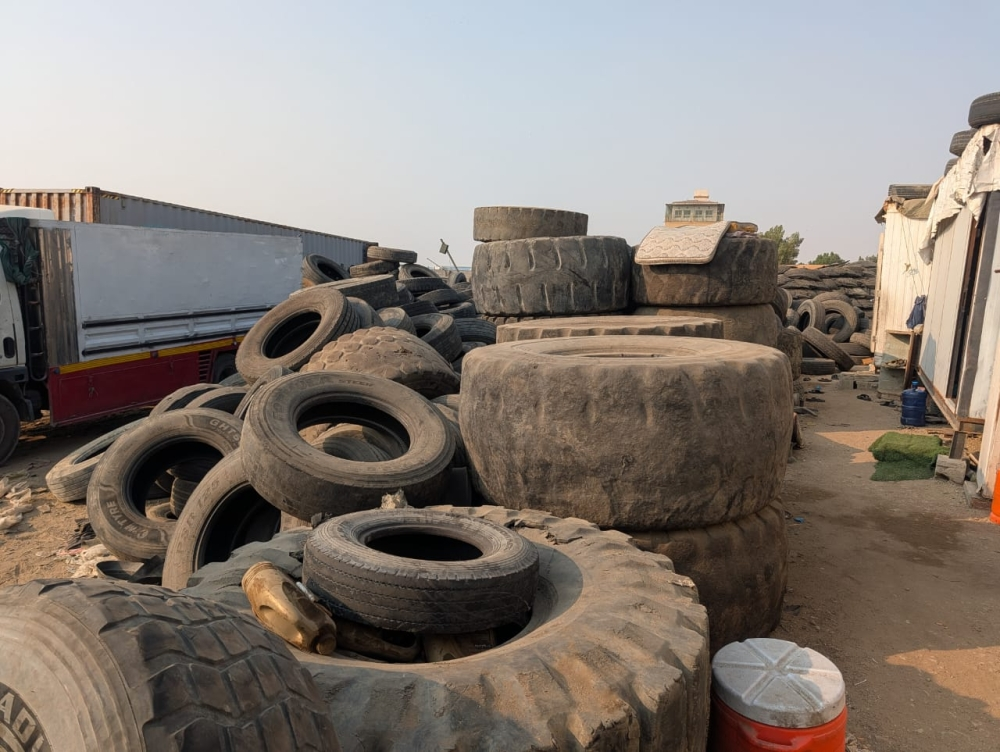
في إطار جهودها المستمرة لحماية البيئة وتعزيز السلامة العامة، أعلنت أمانة محافظة جدة عن نجاح فرقها الرقابية في ضبط ثلاثة مواقع مخالفة تقع جنوب المحافظة، تم تحويلها بشكل غير نظامي إلى ساحات لتجميع وتخزين الإطارات المستعملة والتالفة. وتأتي هذه العملية ضمن استراتيجية الأمانة الشاملة لرصد ومعالجة الظواهر السلبية التي تشوه المشهد الحضري وتشكل تهديداً للصحة العامة.
تفاصيل الضبطية والمخاطر المرصودة
أوضح المدير العام لرصد ومعالجة الظواهر السلبية في أمانة جدة، الأستاذ ياسر بن سراج بخش، أن الفرق الميدانية تمكنت من رصد هذه المواقع التي تستغلها عمالة مخالفة لتخزين كميات ضخمة من الإطارات التالفة بغرض إعادة تدويرها أو بيعها بطرق تفتقر لأدنى معايير السلامة والأنظمة البيئية المعتمدة. وأشار بخش إلى أن هذه الممارسات لا تشكل فقط مخالفة قانونية، بل تمثل قنبلة موقوتة تهدد السلامة العامة نظراً للمخاطر الأمنية والبيئية المترتبة عليها.
الأبعاد البيئية والصحية للمخالفة
تكتسب هذه الحملات أهمية قصوى بالنظر إلى المخاطر الجسيمة التي يشكلها التخزين العشوائي للإطارات. فمن الناحية البيئية، تُعد الإطارات التالفة من النفايات التي يصعب تحللها، وتخزينها في العراء يجعلها عرضة للحرائق التي يصعب السيطرة عليها، مما قد يؤدي إلى انبعاث غازات سامة وأدخنة سوداء تلوث الهواء وتضر بالجهاز التنفسي للسكان. علاوة على ذلك، تُعد أكوام الإطارات بيئة خصبة لتجمع مياه الأمطار والرطوبة، مما يحولها إلى بؤر لتكاثر الحشرات والبعوض الناقل للأمراض مثل حمى الضنك، وهو ما تحاربه أمانة جدة بشكل دوري للحفاظ على الصحة العامة.
تكامل الجهود الحكومية
لم تكن هذه العملية جهداً فردياً، بل جاءت ثمرة تعاون وتنسيق مشترك بين عدة جهات حكومية. حيث شاركت في الحملة بلدية الجنوب الفرعية، وهيئة الزكاة والضريبة والجمارك، ووزارة التجارة، وشركة جدة، وإدارة الضبط الميداني، بالإضافة إلى الدفاع المدني. وقد تم التعامل الفوري مع المواقع المخالفة واتخاذ كافة الإجراءات النظامية، بما في ذلك مصادرة المضبوطات وتسليمها للجهات المختصة لإتلافها بطرق آمنة وصديقة للبيئة.
التوافق مع مستهدفات رؤية 2030
تصب هذه الجهود الرقابية بشكل مباشر في تحقيق مستهدفات رؤية المملكة 2030، وتحديداً ضمن برنامج “جودة الحياة” ومبادرات تحسين المشهد الحضري. حيث تسعى المملكة إلى القضاء على التلوث البصري والبيئي، وتعزيز مفاهيم الاستدامة وإدارة النفايات بطرق علمية حديثة. ويُعد التصدي لمثل هذه المخالفات خطوة ضرورية لضمان بيئة حضرية نظيفة وآمنة لسكان وزوار محافظة جدة، مؤكدة الأمانة عزمها على مواصلة جولاتها الميدانية لردع المخالفين وتطبيق الأنظمة بحزم.