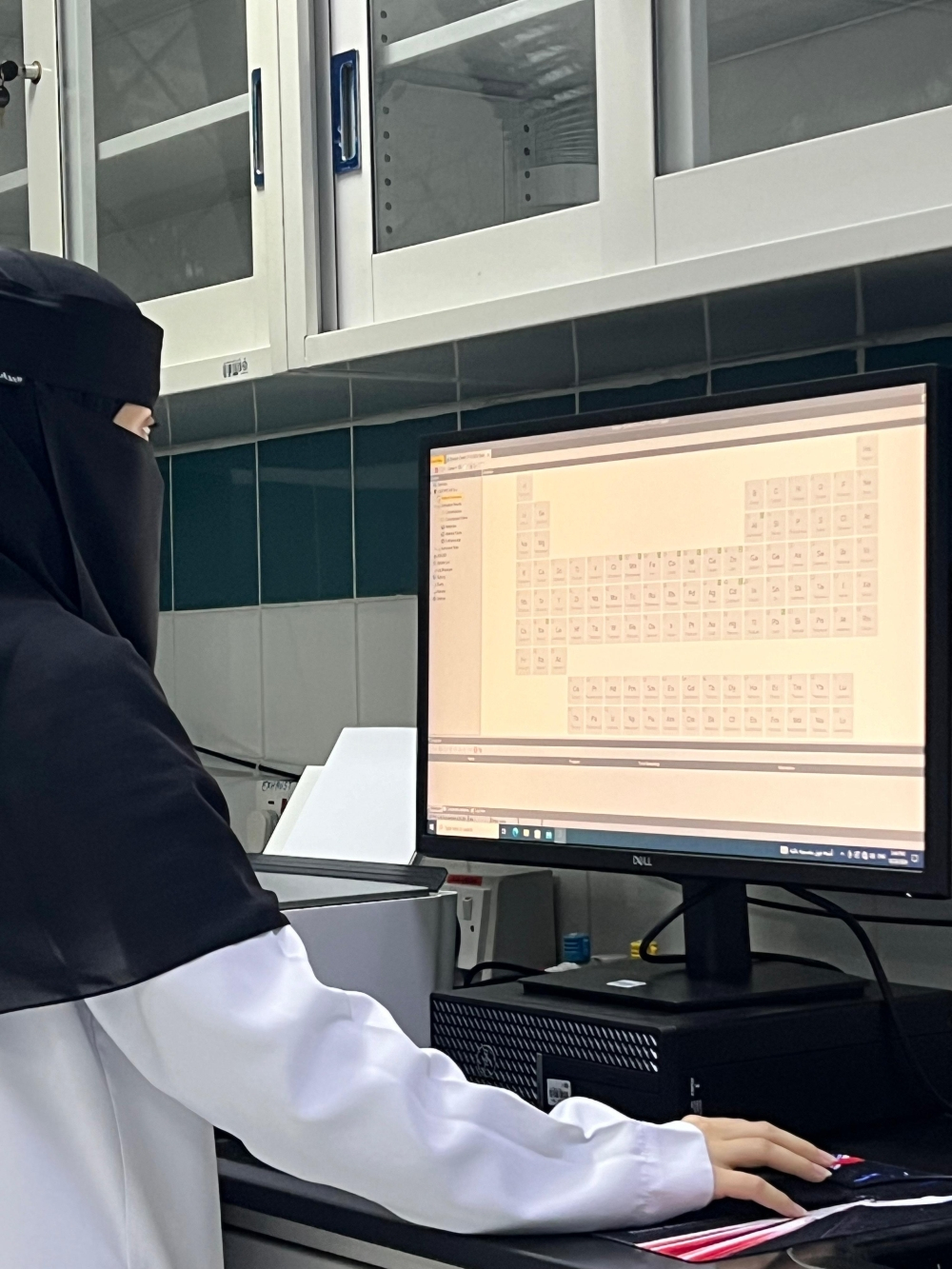
في خطوة تعكس التزامها الراسخ بتعزيز معايير الصحة العامة وضمان سلامة الغذاء، كشفت أمانة محافظة جدة عن إحصائيات جهودها الرقابية لشهر يناير، حيث تم إصدار وتجديد 6,993 شهادة صحية للعاملين في المنشآت الغذائية والصحية. وبالتوازي مع ذلك، قامت إدارة المختبرات التابعة للأمانة بفحص 7,448 عينة غذائية للتأكد من مطابقتها للمواصفات القياسية وخلوها من الملوثات، وذلك في إطار حملاتها الميدانية المستمرة التي تهدف إلى حماية صحة السكان والزوار.
وتأتي هذه الجهود ضمن السياق الأوسع لبرنامج “إجادة”، وهو مبادرة وطنية تهدف إلى رفع كفاءة العمل البلدي وتحسين جودة الخدمات المقدمة للمواطنين والمقيمين. وقد شملت الجولات الرقابية المكثفة المنشآت الصحية والغذائية في نطاق 11 بلدية فرعية تغطي كافة أنحاء المحافظة. يركز البرنامج على رفع معدلات امتثال المنشآت للاشتراطات الصحية والنظامية، مما ينعكس بشكل مباشر على جودة الخدمة المقدمة ويعزز من ثقة المستهلكين في السوق المحلي.
الأهمية الاستراتيجية لجدة
تكتسب هذه الإجراءات أهمية مضاعفة بالنظر إلى مكانة جدة كبوابة للحرمين الشريفين ومركز تجاري وسياحي حيوي على ساحل البحر الأحمر. تستقبل المدينة ملايين الزوار سنويًا، من حجاج ومعتمرين وسياح ورجال أعمال، مما يضع على عاتق الجهات الرقابية مسؤولية كبيرة لضمان أعلى مستويات السلامة الغذائية. إن أي تهاون في هذا الجانب قد يؤثر سلبًا ليس فقط على الصحة العامة محليًا، بل على سمعة المملكة كوجهة آمنة وموثوقة على الصعيدين الإقليمي والدولي.
التحول الرقمي ودوره في تعزيز الامتثال
تؤكد أمانة جدة على استمرارية حملاتها الميدانية، مع الاستفادة من التقنيات الحديثة لتسهيل الإجراءات على أصحاب المنشآت. وتعد منصة “بلدي” الرقمية مثالًا بارزًا على هذا التوجه، حيث تتيح لأصحاب الأعمال إصدار وطباعة الشهادات الصحية إلكترونيًا دون الحاجة إلى مراجعة مقر الأمانة. ويتم ذلك من خلال الربط التقني المباشر بين نتائج الفحص الطبي للعاملين ومنصة وزارة الصحة، مما يضمن سرعة الإنجاز ودقة البيانات، ويساهم في تحقيق تحول رقمي شامل يتماشى مع مستهدفات رؤية المملكة 2030، التي تضع تحسين جودة الحياة وتعزيز كفاءة الخدمات الحكومية في صميم أولوياتها.
إن هذه الأرقام لا تمثل مجرد إحصائيات روتينية، بل هي مؤشر واضح على النهج الاستباقي الذي تتبعه أمانة جدة لترسيخ بنية تحتية صحية قوية، قادرة على مواكبة النمو السكاني والتوسع العمراني الذي تشهده المدينة، وضمان توفير بيئة صحية وآمنة لجميع سكانها وزائريها.