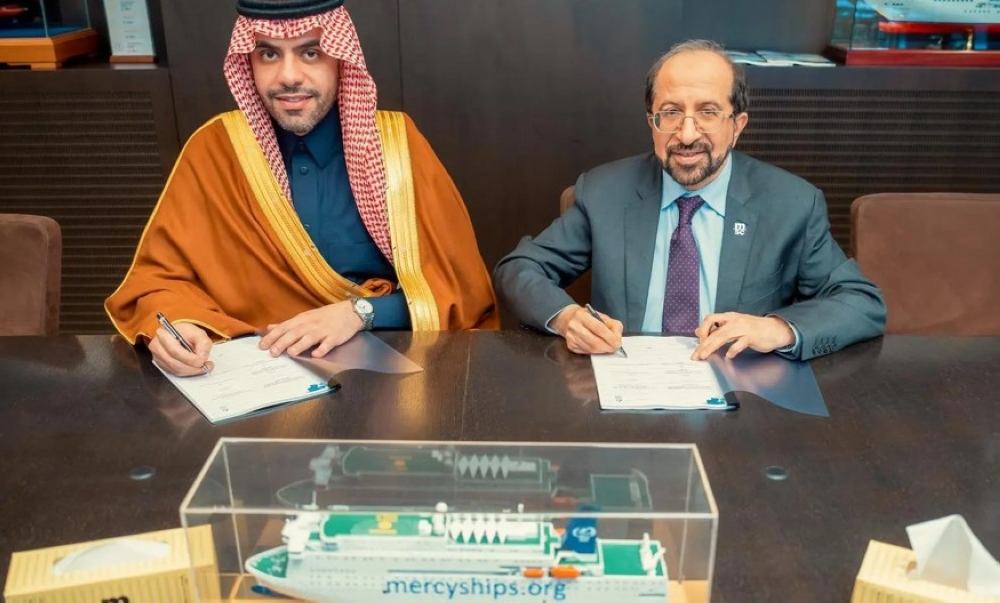
In a strategic move aimed at solidifying Saudi Arabia’s position as a global logistics hub, the Saudi Authority for Industrial Cities and Technology Zones (MODON) signed an investment agreement with Medlog to establish an integrated logistics zone in Jeddah’s Third Industrial City. This ambitious project, with an initial investment of approximately SAR 137 million, will bolster the Kingdom’s logistics infrastructure and contribute to achieving the goals of Vision 2030.
Strategic background: The project within the context of Vision 2030
This project falls within the broader framework of the Kingdom’s Vision 2030 programs and initiatives, specifically the National Industrial Development and Logistics Program (NIDLP), which aims to transform the Kingdom into a leading industrial power and a global logistics hub. The Kingdom benefits from its unique geographic location, connecting three major continents (Asia, Europe, and Africa), making it an ideal transit point for international trade. Jeddah, with its Islamic Port, one of the largest ports on the Red Sea, is a cornerstone of this strategy, as the Kingdom seeks to enhance the efficiency of its import, export, and re-export operations through its sea, land, and air gateways.
Project details and economic dimensions
Under the agreement, MODON allocated 100,000 square meters of land to Medlog to develop and operate the logistics zone. The project will include integrated facilities designed according to the highest international standards and will offer a range of vital services to support supply chains, including:
- Container storage and handling yards.
- Modern storage warehouses.
- Distribution and handling services.
- Customs clearance services to facilitate the movement of goods.
Initial estimates indicate that the project will reach a capacity of approximately 60,000 twenty-foot equivalent units (TEUs) per year by 2038, reflecting the company’s planned gradual expansion of operations in the Kingdom.
Expected impact: Job opportunities and GDP growth
The project's importance extends beyond infrastructure development to include tangible economic and social impacts. It is expected to contribute approximately 44 million riyals to the Kingdom's GDP, thus bolstering economic diversification away from oil. On the social front, the project will play a significant role in localizing jobs and creating new employment opportunities, with an estimated 200 direct jobs for Saudi citizens. This will support the government's efforts to reduce unemployment rates and empower national talent in a vital and growing sector. The project represents a qualitative addition to the national economy and enhances the attractiveness of the Kingdom's logistics sector as an investment destination.