The Director General of Education in Jeddah Governorate, Manal bint Mubarak Al-Lahibi, affirmed that improving learning outcomes is a shared responsibility requiring deep institutional integration among all stakeholders in the educational process. She emphasized that the Jeddah Education Department possesses qualified personnel and advanced professional resources that enable it to bring about a tangible qualitative leap in school performance and student results during the current academic year.
The context of the "Nafes" tests and their national importance
These moves come amid growing interest in the national "Nafes" tests, administered by the Education and Training Evaluation Commission in Saudi Arabia. These tests are a standardized measurement tool designed to assess students' academic achievement in schools and provide decision-makers with accurate data on educational performance levels. These tests are of paramount importance as they serve as a reliable indicator of the quality of educational outcomes and their alignment with national objectives, thus helping to bridge the gap between current and desired performance.
Leaders meeting and data analysis
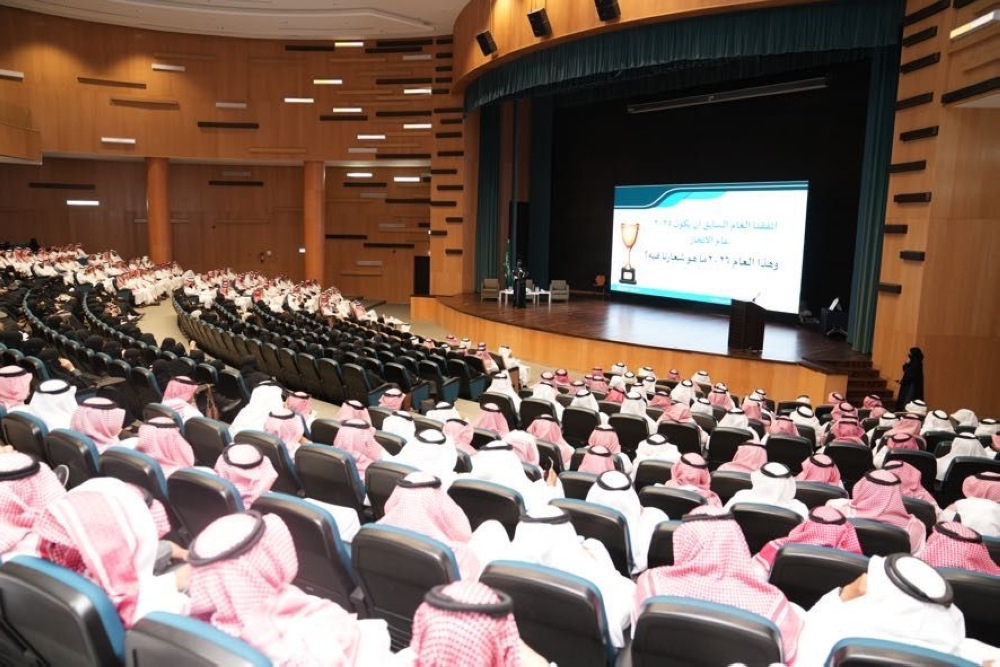
Al-Lahibi's remarks came during the second meeting of principals of primary and intermediate schools (both public and private), organized by the Jeddah General Directorate of Education at the Waad Academy Theater. The meeting was attended by assistants for educational affairs and services, as well as a number of educational leaders. A key working paper was presented, offering a detailed analytical review of Jeddah's educational performance in the "Nafes" tests compared to the national benchmark.
The paper focused on accurately identifying gaps and setting priorities for improvement, while reviewing the key enablers for raising quality, which include developing school leadership, strengthening governance, making data-driven decisions, as well as improving classroom practices and raising the efficiency of supervision and follow-up processes.
Alignment with the Kingdom's Vision 2030
This educational initiative in Jeddah aligns with the objectives of the Human Capital Development Program, one of the programs under the Kingdom's Vision 2030, which aims to enhance the global competitiveness of Saudi citizens. Improving learning outcomes not only impacts academic grades but also raises the Kingdom's ranking in international education indicators and produces a generation equipped with the skills and knowledge necessary for the future job market.
Continuous Improvement Methodologies
The meeting discussed mechanisms for activating the role of school leaders in improving outcomes according to the PDCA (Plan-Do-Check-Act) cycle, a global management methodology based on planning, implementing, verifying, and correcting. The importance of enhancing preparedness for national and international assessments was also addressed, along with highlighting the role of student guidance in preventative, remedial, and developmental aspects to raise academic achievement.
The meeting concluded with a presentation of practical models for building school improvement plans through approved digital platforms, along with an explanation of implementation and follow-up mechanisms, and linking daily practices to excellence support services, to ensure a sustainable impact in the educational field.