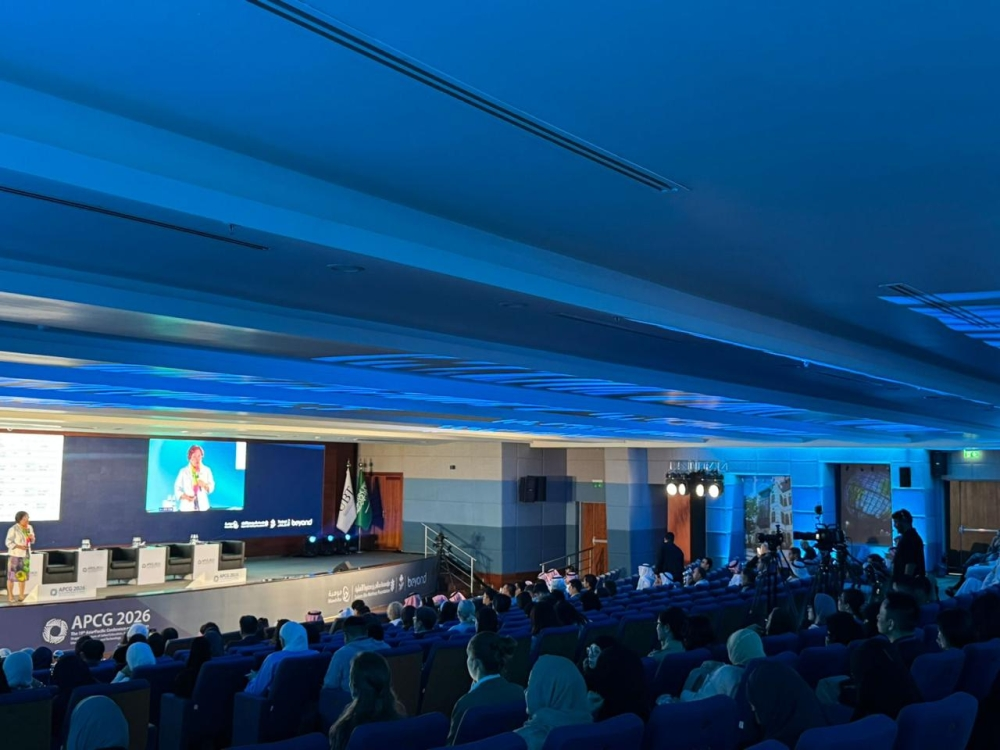
The 19th Asian Conference on Talent and Creativity 2026, held in Jeddah under the patronage of His Excellency the Minister of Education, Mr. Yousef bin Abdullah Al-Bunyan, concluded with the issuance of seven key recommendations aimed at charting a clear roadmap for developing gifted education policies at both the national and international levels. These recommendations, the product of in-depth scientific discussions held over five days with the participation of experts from more than 40 countries, are based on research evidence and global best practices to ensure a sustainable and innovative future for nurturing exceptional minds.
Background of the conference and its importance in the context of Vision 2030
Saudi Arabia's hosting of this important international event aligns with its ambitious strategic directions stemming from Vision 2030, which places investment in human capital and the development of national capabilities at the heart of its priorities. Through leading institutions such as the King Abdulaziz and His Companions Foundation for Giftedness and Creativity (Mawhiba), the Kingdom seeks to solidify its position as a regional and global hub for discovering and nurturing gifted individuals. The Asian Conference, held periodically, serves as a vital platform for exchanging expertise and coordinating efforts among researchers, policymakers, and educators from across Asia and the world, thereby enhancing the quality of educational programs aimed at this crucial segment of society.
Key recommendations and their expected impact
The participants affirmed that the recommendations issued represent a crucial step towards strengthening the system for nurturing talent and supporting innovation. The seven recommendations included a call for developing flexible national policies for gifted education, expanding professional capacity building for teachers, and enhancing international partnerships for knowledge exchange. They also emphasized the importance of investing in digital transformation and artificial intelligence as a key starting point for developing education systems and designing specialized programs for high-achieving students, ensuring the preparation of generations capable of leadership and making a positive impact both locally and globally.
These recommendations are expected to have a tangible impact locally by guiding educational policies in the Kingdom towards more systematic support for gifted individuals. Regionally, these outcomes reinforce the Kingdom's role as a leading model in the region and encourage the adoption of collaborative initiatives. Internationally, the discussions at the conference contribute to enriching the global dialogue on how best to invest in creative minds to address future challenges.
Scientific discussions and future visions
The conference, themed “Towards Progress: Building a Better Future for Gifted Education 2050,” featured an intensive scientific program that included keynote lectures, specialized seminars, research paper presentations, and practical workshops. Dr. Abdullah bin Sadiq Dahlan, Chairman of the Conference's Higher Supervisory Committee, praised the high-quality outcomes, which reflect an advanced scientific awareness of the importance of investing in gifted individuals. He emphasized that hosting this event is an extension of the Kingdom's pioneering role in supporting knowledge and innovation, and a translation of the wise leadership's directives to empower talent and creativity.
The events concluded with sessions discussing advanced topics such as "Creative Thinking Tests" and "Saudi Universities and Talent," in addition to showcasing national experiences in empowering gifted students in higher education. New initiatives from the Asian Council for Talent and Creativity were also announced, aimed at strengthening research collaboration and building sustainable knowledge communities in the field of talent, confirming that the scientific activity witnessed in Jeddah represents a qualitative addition to the global advancement of gifted education.