A preemptive strike to protect consumers in Jeddah
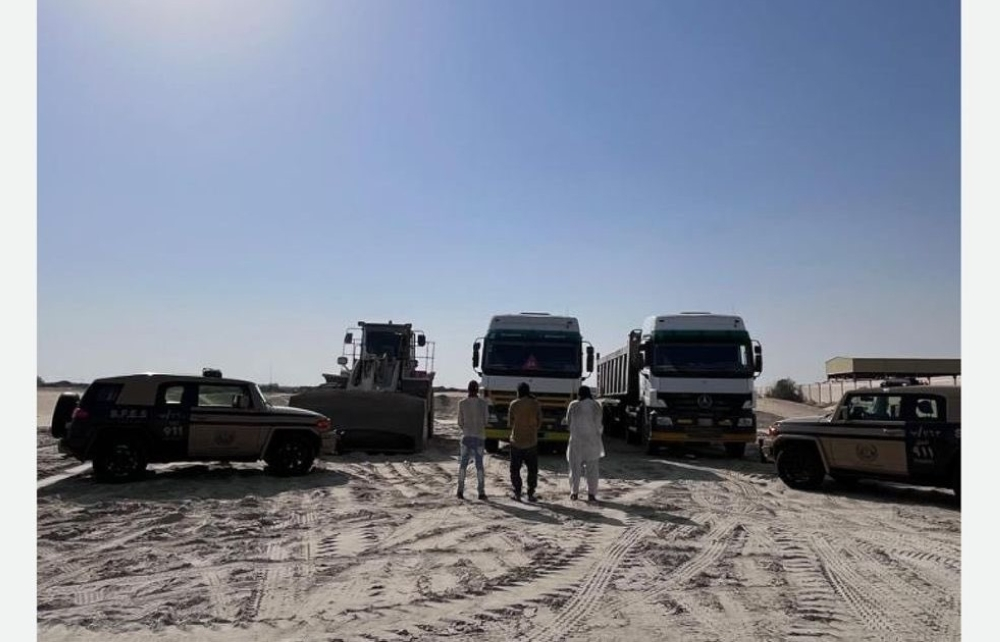
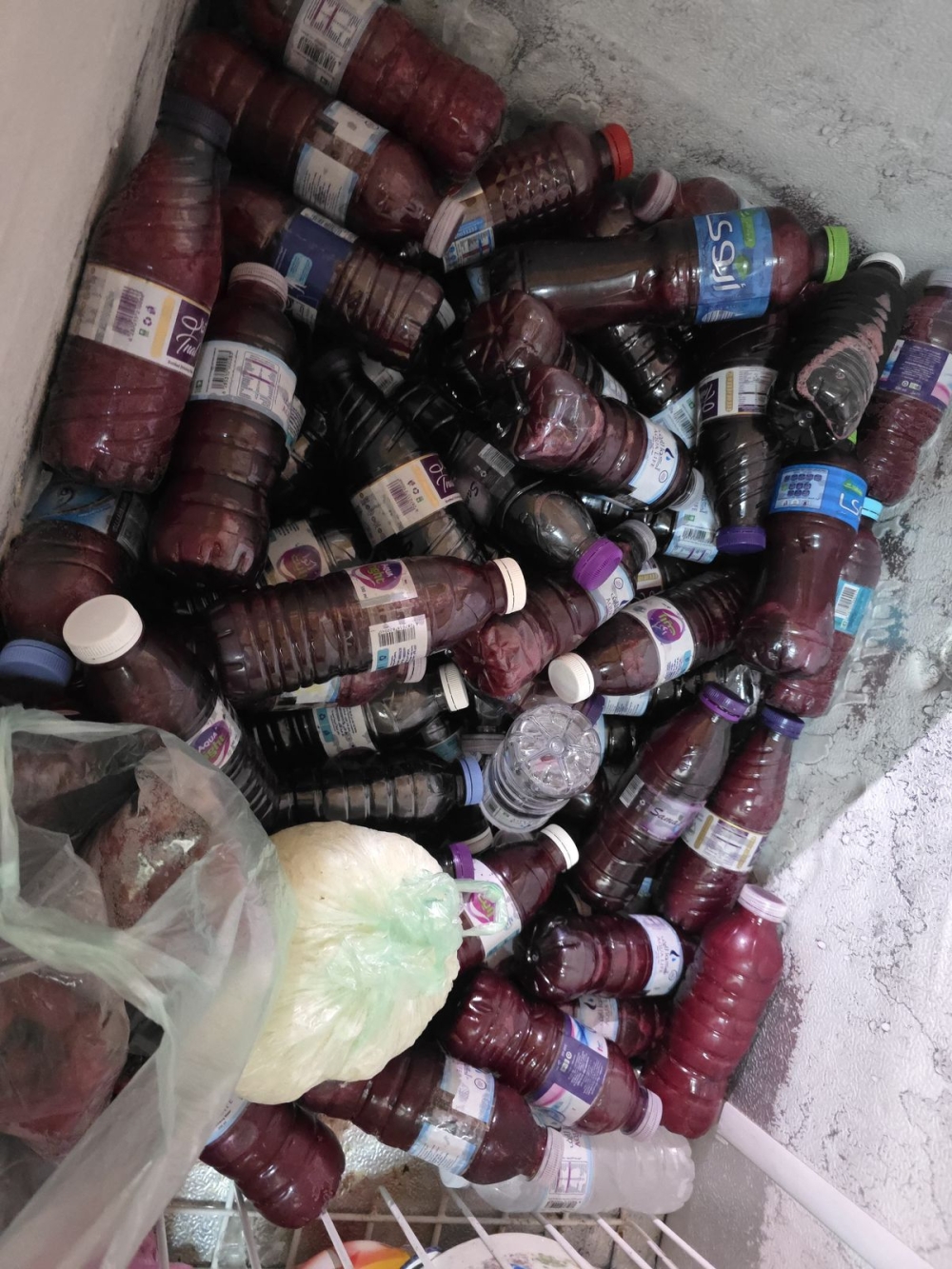
As part of its ongoing efforts to ensure food safety and protect public health, the Jeddah Municipality conducted a large-scale field inspection campaign in the southern part of the city. This resulted in the discovery and closure of several residential apartments that had been illegally converted into makeshift meat and food processing facilities by undocumented workers. Inspection teams, in cooperation with several government agencies, confiscated and destroyed more than five tons of spoiled and unfit-for-human-consumption meat and food products that were being prepared for sale in markets as the holy month of Ramadan approached.
General context: Intensifying monitoring before consumer seasons
This campaign is part of a proactive and seasonal action plan adopted by the Jeddah Municipality and regulatory bodies across Saudi Arabia. As seasons with increased demand for food products approach, such as Ramadan and the Hajj season, some unregulated entities attempt to exploit this opportunity for quick financial gain, often at the expense of consumer health. Municipalities, in coordination with the Ministry of Commerce and the Saudi Food and Drug Authority, are intensifying their inspection tours to track down these harmful practices and rid markets of products of unknown origin or those stored and prepared in environments that lack even the most basic safety and hygiene standards.
Details of the operation: From residential apartments to dens of iniquity
The details of the raid revealed that an entire residential building had been exploited and transformed into a hub for illegal commercial activities. Yasser Bakhsh, Director General of Monitoring and Addressing Negative Phenomena, explained that inspection teams discovered makeshift cafes and a fully equipped meat processing facility for preparing "Siriyeh" skewers inside the building. The facility was operating in a polluted and unsanitary environment infested with insects and rodents. A clandestine warehouse was also discovered within one of the cafes, used for storing and distributing tobacco products illegally. He added that the violators had taken advantage of the setbacks from the residential buildings to conduct their activities away from the eyes of inspectors, posing a double threat to residents and the surrounding environment.
Importance and impact: Protecting public health and the national economy
The importance of these operations lies in their health, economic, and social dimensions. From a health perspective, these campaigns prevent spoiled food from reaching consumers' tables, which could cause serious cases of food poisoning and infectious diseases. Economically, eliminating these unregulated activities protects compliant businesses from unfair competition. These efforts also reflect the integration of various government agencies, with the participation of entities such as the Ministry of Commerce, Civil Defense, the Zakat and Tax Authority, Customs, and the Field Enforcement Force, thus underscoring the state's comprehensive approach to addressing negative phenomena and maintaining public order.
Measures taken and a call for community cooperation
Upon discovering the violations, the Al-Jami'ah sub-municipality immediately confiscated and destroyed approximately 500 pieces of furniture and equipment, in addition to the immediate disposal of spoiled food. The Ejadah Company closed four businesses operating without proper licenses, while the Zakat, Tax and Customs Authority confiscated the non-compliant tobacco products. The Jeddah Municipality reiterated its call to citizens and residents to be active partners in monitoring by reporting any violations through the Baladi app or by calling the unified reporting number, 940, emphasizing that its inspections will continue to ensure a safe and healthy environment for all.