A crucial step towards the development of urban Jeddah
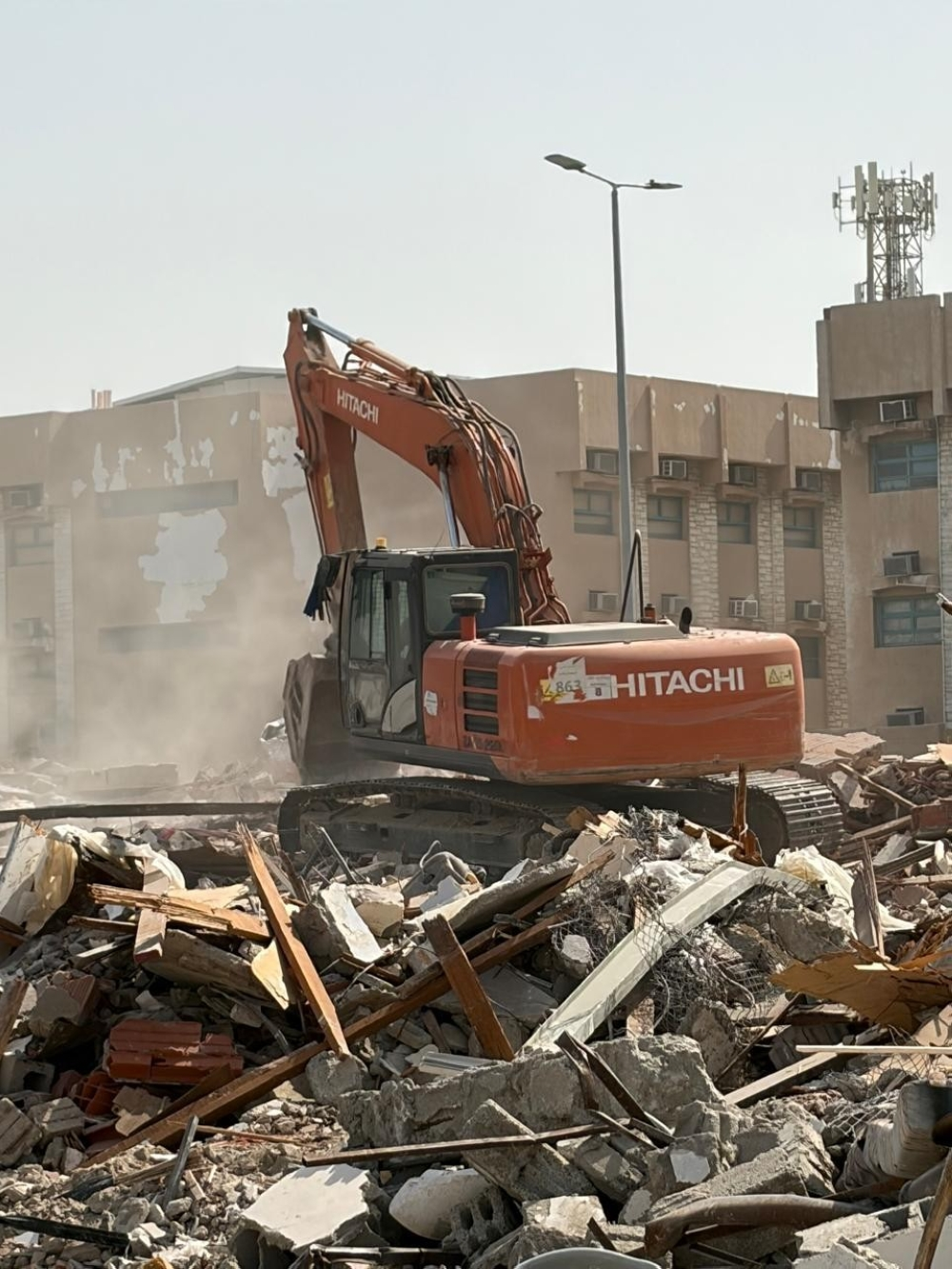
The Jeddah Municipality announced the commencement of demolition work on 1,011 dilapidated buildings in the Al-Ruwaiss district, following the expiration of the legally mandated grace period granted to the owners. This step is part of a comprehensive campaign aimed at addressing the situation of informal settlements, ensuring the safety of residents, and improving the city's urban landscape in line with the objectives of the Kingdom's Vision 2030.
General context: Jeddah's development within the framework of the Kingdom's Vision 2030
These measures fall under the Jeddah Informal Settlements Development Project, one of the largest urban development projects in the Kingdom. This project was launched to address the challenges posed by decades of unplanned urban growth, which resulted in areas lacking basic infrastructure and services, and posing a risk to public safety. Al-Ruwaiss district, being one of Jeddah's oldest and central neighborhoods, lies at the heart of this development plan, which aims to transform Jeddah into a world-class destination attractive to residents, tourists, and investors.
Project importance and expected impact
The importance of removing dilapidated buildings extends beyond simply averting potential disasters and protecting lives; it encompasses multiple aspects. Locally, the project will lead to a modern redesign of the neighborhood, providing integrated infrastructure including roads, electricity, water, and sewage systems, as well as creating green spaces and public amenities that enhance the quality of life. Regionally and internationally, Jeddah's development reinforces its position as the gateway to the Two Holy Mosques and a major economic and tourist hub on the Red Sea coast. These projects send a clear message about the Kingdom's commitment to achieving sustainable development and improving the urban environment in its major cities.
Systematic procedures and implementation phases
The Jeddah Municipality confirmed that the demolition process followed all legal procedures. The General Directorate of Emergency and Crisis Management notified the owners of the dangerous properties and granted them sufficient time to rectify the condition of their buildings. After the deadline passed without any response, the Committee for Buildings at Risk of Collapse issued the final demolition orders. This campaign in the Al-Ruwaiss district is a continuation of previous efforts that successfully removed 596 dangerous buildings in other districts such as Al-Faisaliyah, Al-Rabwah, and Al-Farouq, underscoring the municipality's ongoing commitment and seriousness in implementing its comprehensive monitoring and development plans throughout the governorate.