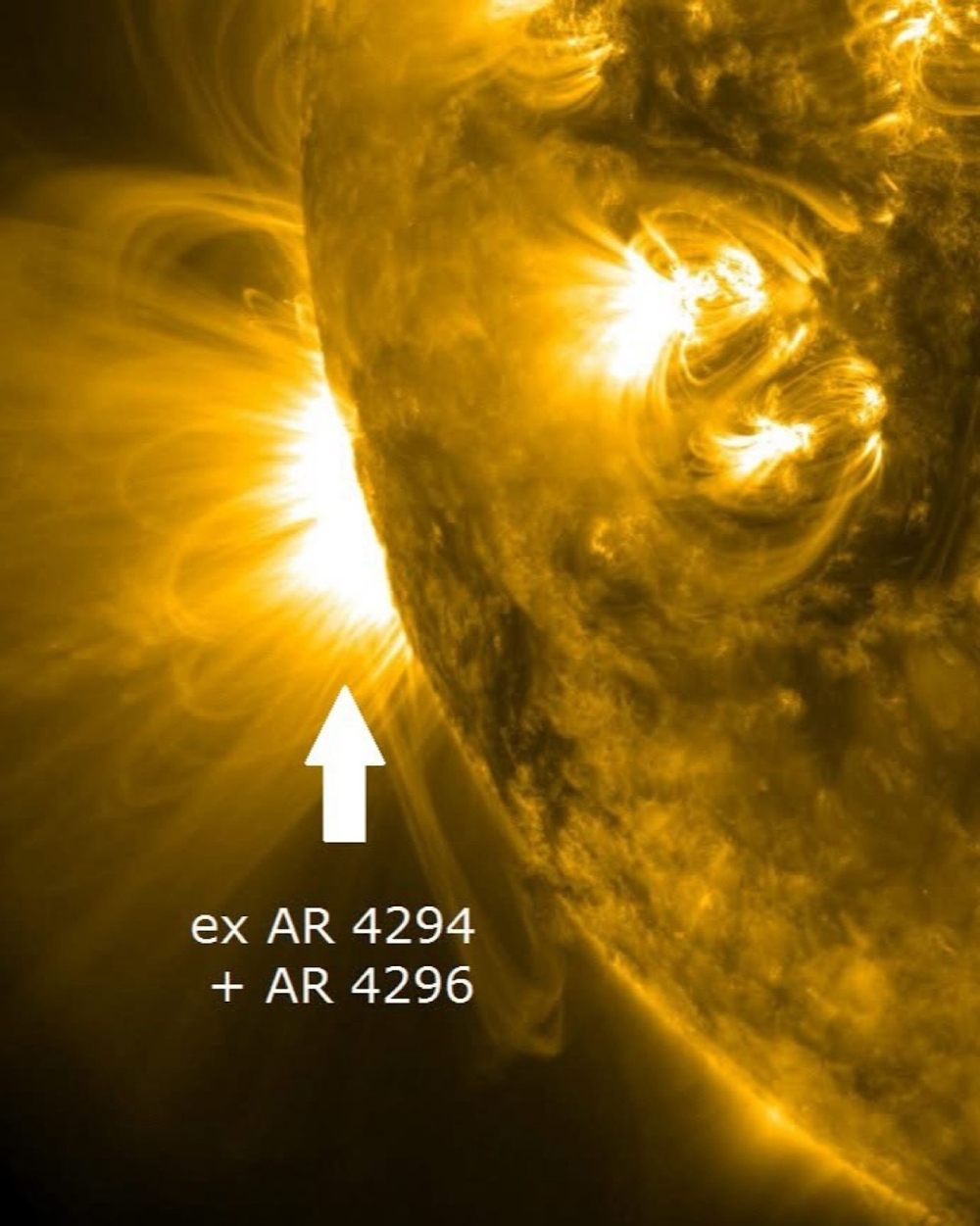
أعلن المهندس ماجد أبو زاهرة، رئيس الجمعية الفلكية بجدة، عن تطورات جديدة في المشهد الشمسي، حيث تشير أحدث صور الأقمار الصناعية المتخصصة في مراقبة فيزياء الشمس إلى عودة مرتقبة لنشاط شمسي قديم. وأوضح أن بقايا منطقتي البقع الشمسية 4294 و4296 تتمركز حالياً خلف الحافة الجنوبية الشرقية لقرص الشمس، ومن المتوقع أن تعودا للظهور تدريجياً في مجال الرؤية الأرضي خلال الساعات الـ48 المقبلة، نتيجة لدوران الشمس المستمر حول محورها.
تاريخ البقعتين وسياق الدورة الشمسية
وبين أبو زاهرة أن هاتين المنطقتين النشطتين تم رصدهما آخر مرة في 12 ديسمبر الماضي، حينما كانتا في مواجهة مباشرة مع كوكب الأرض. وخلال تلك الفترة، سجلت البقعتان نشاطاً ملحوظاً تضمن عدداً من التوهجات الشمسية متوسطة ومنخفضة القوة، دون رصد أي أحداث كارثية أو توهجات من الفئات العليا (X-class).
ويأتي هذا الحدث في سياق الدورة الشمسية الخامسة والعشرين (Solar Cycle 25)، التي تشهد حالياً تصاعداً في النشاط الشمسي. ومن المعروف علمياً أن الشمس تدور حول محورها مرة كل 27 يوماً تقريباً عند خط الاستواء، مما يسمح للمناطق النشطة بالبقاء لفترات طويلة والعودة للظهور أمام الأرض عدة مرات إذا حافظت على تماسكها المغناطيسي، وهو ما يفسر عودة هاتين البقعتين بعد اختفائهما المؤقت.
المراقبة التقنية وتحليل الطقس الفضائي
وفيما يخص الجانب التقني للرصد، أشار رئيس فلكية جدة إلى أن المشهد الحالي يعتمد على صور دقيقة التقطت بواسطة "مرصد ديناميكا الشمس" (SDO) التابع لوكالة ناسا، وتحديداً في نطاق الطول الموجي 171 أنغستروم. هذا النطاق الموجي مخصص لإبراز البلازما الساخنة في الإكليل الشمسي، مما يمنح العلماء قدرة فائقة على تتبع تطور المناطق النشطة والهياكل المغناطيسية المعقدة.
وحول التأثيرات المتوقعة، أكد أبو زاهرة أن بيانات الرصد الحديثة لم تسجل أي انبعاثات كتلية إكليلية (CMEs) ضخمة خلف الحافة الجنوبية الشرقية للشمس في الأيام القليلة الماضية. وهذا المؤشر يقلل بشكل كبير من احتمالية حدوث عواصف جيومغناطيسية شديدة أو تأثيرات سلبية مباشرة على الطقس الفضائي القريب من الأرض فور ظهور البقعتين.
الأهمية العلمية والتأثيرات المحتملة
تكتسب متابعة هذه الظواهر أهمية بالغة ليس فقط للمجتمع الفلكي، بل لقطاعات الاتصالات والملاحة الجوية والفضائية. فعلى الرغم من أن التوقعات الحالية تشير إلى استقرار نسبي، إلا أن البقع الشمسية تمتلك طبيعة ديناميكية؛ حيث يمكن للبنية المغناطيسية المعقدة أن تعيد شحن طاقتها وتطلق توهجات مفاجئة تؤثر على طبقة الأيونوسفير للأرض، مما قد يسبب تشويشاً مؤقتاً في اتصالات الراديو عالية التردد أو دقة أنظمة تحديد المواقع (GPS).
واختتم أبو زاهرة حديثه بالتأكيد على استمرار علماء الفيزياء الشمسية في مراقبة المنطقتين 4294 و4296 عن كثب لتقييم أي تجدد في النشاط، ورصد أي تغيرات قد تطرأ على بيئة الفضاء المحيطة بالأرض مع اكتمال ظهور البقعتين.