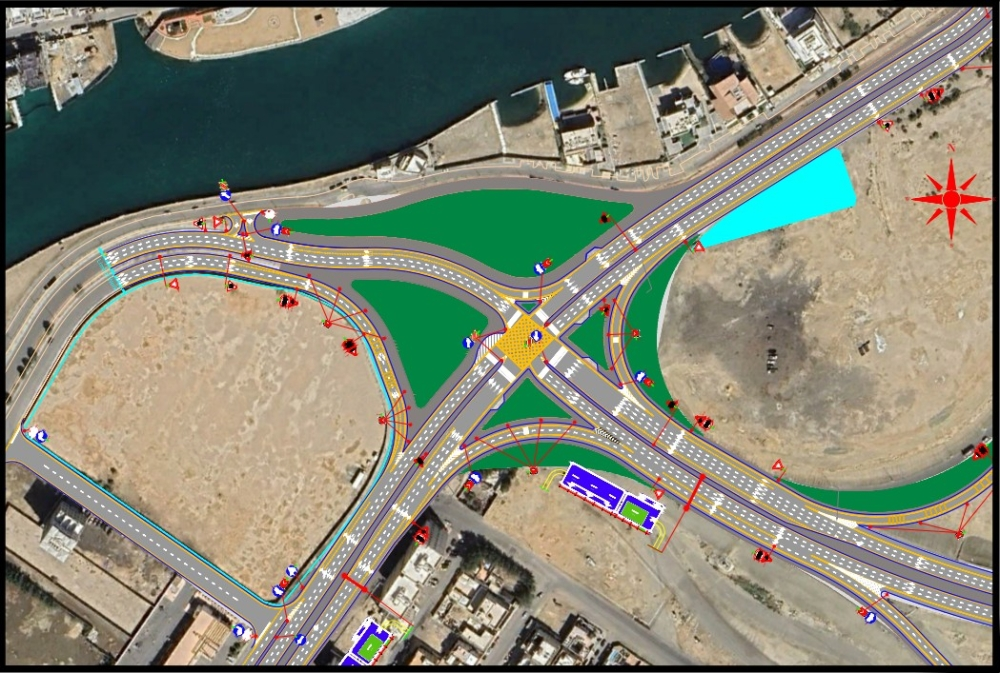
أعلنت أمانة محافظة جدة عن انطلاق أعمال مشروع تطويري شامل لميدان أبحر، المعروف شعبيًا بـ“ميدان الجمل”، الواقع في منطقة أبحر الجنوبية. يهدف هذا المشروع الاستراتيجي إلى رفع كفاءة الحركة المرورية وتعزيز معايير السلامة في أحد أكثر التقاطعات حيوية في المدينة، ويأتي كجزء من المبادرات الطموحة لبرنامج جودة الحياة، الذي يعد أحد الركائز الأساسية في رؤية السعودية 2030.
خلفية تاريخية ونمو حضري متسارع
شهدت مدينة جدة، باعتبارها بوابة الحرمين الشريفين ومركزًا اقتصاديًا وسياحيًا رئيسيًا، نموًا سكانيًا وعمرانيًا هائلاً على مدى العقود الماضية. وقد أدى هذا التوسع السريع، خاصة في المناطق الشمالية مثل أبحر، إلى زيادة الضغط على البنية التحتية للطرق، مما تسبب في ظهور تحديات مرورية واختناقات في المحاور الرئيسية. ويعد ميدان الجمل، الذي يربط طرقًا حيوية مثل طريق الملك عبد العزيز وطريق الكورنيش، نقطة محورية تأثرت بشكل مباشر بهذا النمو، مما جعل تطويره ضرورة ملحة لتحسين جودة الحياة للسكان والزوار.
أهداف المشروع وتأثيره المتوقع
أوضحت الأمانة أن المشروع يندرج ضمن خطة شاملة لتنفيذ حلول مرورية مبتكرة لمعالجة الاختناقات في جدة. تتضمن الأعمال تطبيق حلول هندسية متقدمة وتنظيمات تشغيلية جديدة لتحسين أداء التقاطعات، وتوضيح المسارات، وتقليل نقاط التداخل بين المركبات. من المتوقع أن يسهم المشروع في تحقيق انسيابية مرورية ملحوظة على الطرق المتصلة بالميدان، وهي: طريق الملك عبد العزيز، طريق الكورنيش، طريق الأمير طلال بن منصور، وطريق الأمير عبد الله الفيصل. هذا التحسين لن يقتصر على تقليل زمن الرحلات اليومية، بل سيمتد ليشمل رفع مستوى الخدمة المرورية بشكل عام، مما يعزز تجربة التنقل ويجعلها أكثر أمانًا وراحة لمستخدمي الطريق.
الحفاظ على الهوية: مجسم الجمل كرمز للمكان
في خطوة تؤكد على التوازن بين التطوير والحفاظ على الموروث الحضري، أكدت أمانة جدة أن أعمال التحسين ستراعي الحفاظ على المكونات الرمزية للموقع. حيث سيتم الإبقاء على مجسم الجمل الشهير في موقعه، كونه أحد أبرز معالم جدة الفنية وعنصرًا أساسيًا في هوية المكان وذاكرته. ويعد هذا المجسم، الذي أبدعه الفنان التشكيلي ربيع الأخرس عام 1997م، تحفة فنية تتكون من جملين، يبلغ ارتفاع الأكبر 21 مترًا ووزنه 10 أطنان، بينما يبلغ ارتفاع الأصغر 15 مترًا ووزنه 7 أطنان. إن الحفاظ عليه يضمن أن التطوير لا يمحو تاريخ المنطقة، بل يبني عليه لمستقبل أفضل.
الأهمية الاستراتيجية لمدينة جدة
تأتي هذه المشاريع التطويرية لتعزيز مكانة جدة كمدينة عالمية. فبصفتها وجهة سياحية وتجارية رائدة، ومركزًا لوجستيًا هامًا على ساحل البحر الأحمر، فإن تحسين بنيتها التحتية يعد أمرًا حيويًا لدعم النمو الاقتصادي وجذب الاستثمارات. إن توفير شبكة طرق فعالة وآمنة لا يخدم سكان المدينة فحسب، بل يسهل أيضًا حركة الزوار والسياح والحجاج والمعتمرين، مما يدعم القطاعات الحيوية ويعزز من تنافسية جدة على الصعيدين الإقليمي والدولي، تحقيقًا لمستهدفات رؤية 2030 في بناء مدن مزدهرة ومستدامة.