In a new escalation of strained relations in East Asia, the Japanese government announced it had summoned the Chinese ambassador to Tokyo, Wu Jianhao, to lodge a strong formal protest. This firm diplomatic move comes in response to accusations by the Japanese Ministry of Defense that Chinese fighter jets threatened Japanese aircraft by activating their radar lock-on systems and locking their radar onto them—a military tactic considered a hostile act that typically precedes the opening of fire.
Details of the military incident
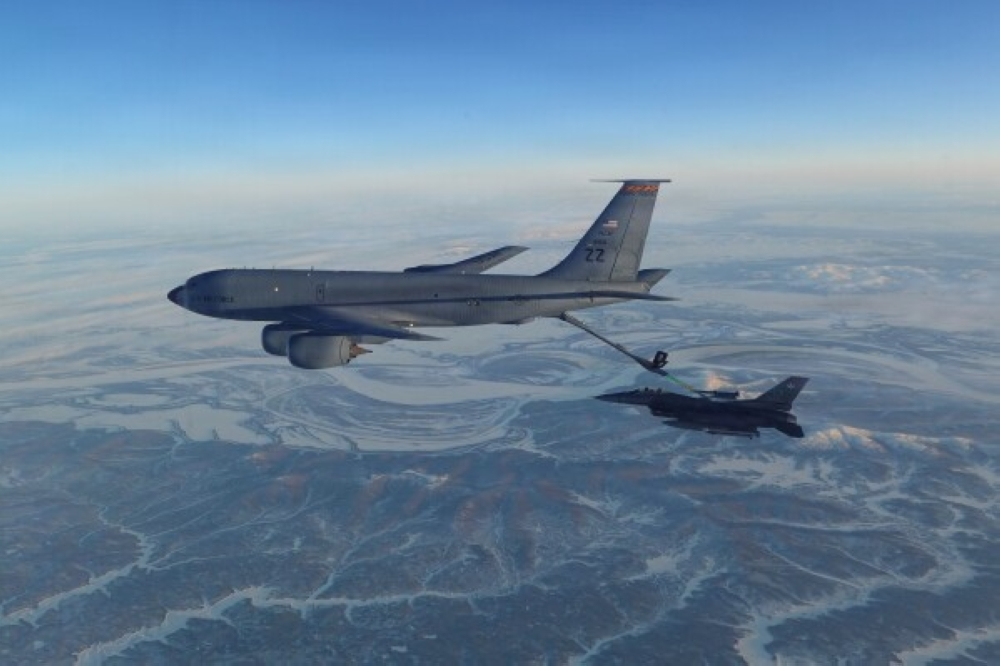
Official reports indicate that Chinese J-15 fighter jets, operating from the aircraft carrier Liaoning, twice locked their fire control radars onto Japanese Self-Defense Force fighter jets. The incident occurred over international waters near the strategic island of Okinawa. While no damage was reported, Tokyo deemed the action "dangerous and regrettable." Radar lock-on technology allows an attacking aircraft to automatically lock onto and track a target before launching missiles, making it a highly provocative act in military terms.
The geopolitical context and strained relations
This incident cannot be separated from the broader context of deteriorating relations between the two Asian powers. The region is experiencing diplomatic tensions following statements by Japanese Prime Minister Sanae Takaichi, who hinted at the possibility of Japanese military intervention should China invade Taiwan. These statements provoked Beijing, which considers Taiwan an integral part of its territory and views any foreign intervention as an infringement on its national sovereignty.
Historically, Japan and China have disputed sovereignty over a group of islands in the East China Sea (called the Senkaku Islands in Japan and the Diaoyu Islands in China), which are currently administered by Japan. While the area frequently sees encounters between coast guard vessels and aircraft from both sides, the use of fire-control radar represents a significant escalation in the unwritten rules of engagement between the two countries.
Economic and diplomatic repercussions
On the diplomatic front, China rejected Japan's protest and lodged a counter-protest demanding that Tokyo cease what it termed "harassment of routine military exercises." Economically, the effects of the crisis are beginning to surface in vital sectors. In addition to the ongoing Chinese ban on Japanese seafood, press reports, including one published by the Yomiuri Shimbun, indicate a significant slowdown in China's issuance of export licenses for rare earth minerals to Japanese companies. These minerals are crucial to modern technology industries, being used in the manufacture of smartphones, electric vehicles, and military equipment, thus threatening Japan's supply chains should the tension persist.
In conclusion, Tokyo affirmed that it would respond "calmly and firmly," emphasizing its close monitoring of Chinese military movements in the air and sea areas surrounding the Japanese archipelago, at a time when the international community is watching closely to see the consequences of this escalation and its impact on the stability of the Pacific region.