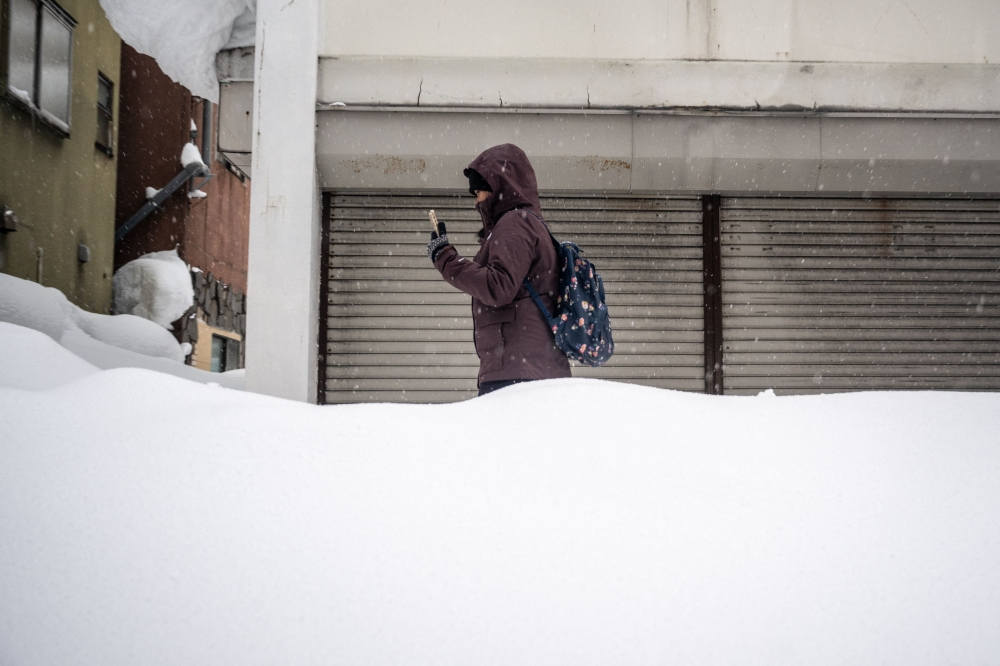
Japan's Fire and Disaster Management Agency announced Tuesday that the death toll from weeks of severe snowstorms has risen to 46, with 558 injured. These tragic figures underscore the severity of the extreme weather conditions affecting large areas, particularly in northern and western Japan.
Details of the disaster and its direct impact
A wave of heavy snowfall began in late January, blanketing vast areas along the Sea of Japan coast and causing widespread traffic chaos and transportation disruptions. Local authorities reported several deaths resulting from snow-related accidents, such as elderly people falling while trying to clear snow from their rooftops or being buried under collapsing snowdrifts. In Aomori Prefecture, on the northernmost tip of Honshu Island, snow accumulations reached record levels of 1.3 meters, isolating some villages and hindering emergency services from reaching them.
The geographical and climatic context of Japan's snow
Japan is known for the phenomenon of "Sea of Japan snow," or what is widely called the "lake effect." During winter, cold, dry Siberian winds blow across the warmer Sea of Japan, picking up enormous amounts of moisture and transforming into thick snow clouds. When these clouds collide with the mountains along Japan's west coast, they unleash their load in the form of snowfall that is among the heaviest in the world. Prefectures like Niigata, Hokkaido, and Aomori are among the areas most affected annually, accustomed as they are to harsh winters, but the current wave has exceeded expectations in its intensity and duration.
The importance and expected effects of the disaster
Domestically, the snowstorms disrupted the daily lives of millions. Shinkansen bullet train services were partially suspended, numerous highways were closed, and hundreds of flights were canceled, impacting supply chains and economic activity. Japan also faces a demographic challenge with its aging population, as the elderly constitute a significant proportion of the victims of these disasters due to the physical difficulty of snow removal. Regionally and internationally, these extreme weather events have reignited the debate about the effects of climate change, which could lead to an increase in the frequency and intensity of such storms in the future, placing additional strain on infrastructure and disaster response systems in Japan and other countries facing similar conditions.