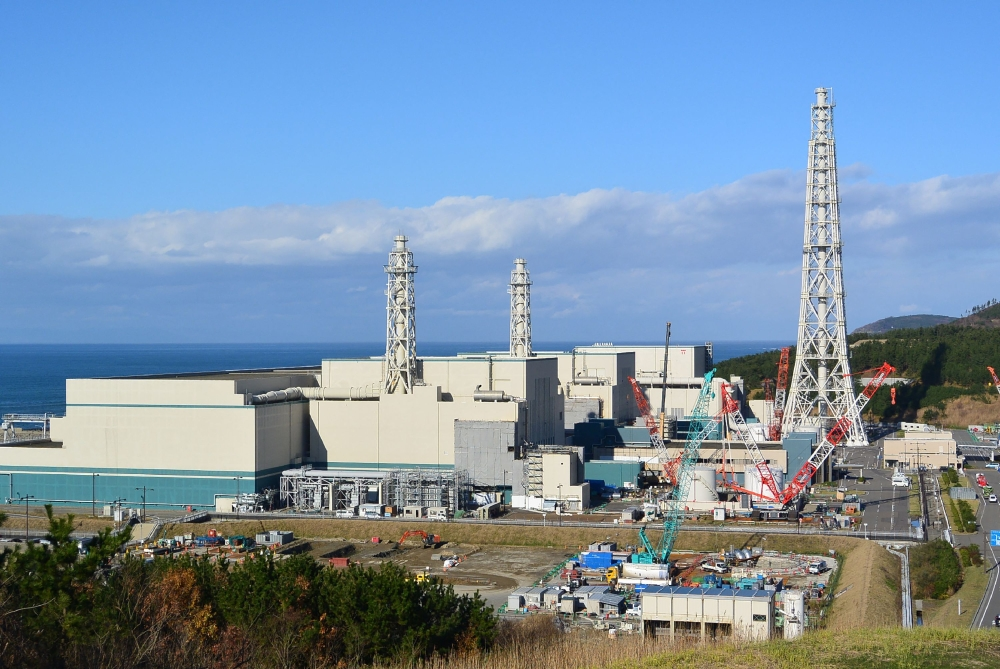
In a move representing a radical shift in Japanese energy policy, Tokyo Electric Power Company (TEPCO), operator of the world's largest nuclear power plant by generating capacity, announced it would begin restarting the Kashiwazaki-Kariwa plant. This decision brings the plant back online on Wednesday for the first time since the tragic Fukushima disaster in 2011, opening a new chapter in Japan's controversial nuclear energy policy.
Details of returning to work
The company confirmed in an official statement that meticulous technical preparations for restarting the reactor were ongoing. The plan included removing the control rods after 7:00 PM local time, paving the way for the start of the nuclear chain reaction. The first phase of this process involves restarting only one of the seven reactors at the massive plant, as a precautionary measure to ensure operational stability and test the newly developed safety systems.
Historical background: The shadow of Fukushima
To understand the magnitude of this event, one must go back to March 2011, when a devastating earthquake and tsunami struck the Japanese coast, triggering meltdowns at the Fukushima Daiichi nuclear power plant. That disaster prompted Japan to shut down all its nuclear reactors and radically revise its safety standards. The Kashiwazaki-Kariwa plant has remained offline ever since, undergoing rigorous audits and extensive safety upgrades to meet the world's strictest new regulatory standards.
Japanese public opinion is divided
Despite the plant's economic importance, the decision still faces significant public opposition. The governor of Niigata Prefecture gave his approval last month, but local polls conducted in September revealed a sharp divide, with 60% of residents opposing restarting operations and only 37% supporting them. This opposition has translated into protests, with dozens of demonstrators, mostly elderly, gathering in front of the plant's gates despite the freezing cold, expressing their ongoing concerns about safety and the potential for a repeat of past disasters.
Strategic and economic importance
This move is of paramount importance to the Japanese government, which seeks to reduce its excessive reliance on costly fossil fuel imports that have strained the country's trade balance. By returning to nuclear power, Japan aims to achieve carbon neutrality by 2050, as well as secure stable energy sources to meet the growing demand for electricity, fueled by the massive expansion of data centers and artificial intelligence technologies. The Japanese leadership views nuclear power as a cornerstone of national energy security, particularly in light of global geopolitical volatility affecting oil and gas prices.