In a strategic shift in the global energy landscape, Japan is preparing to turn the page on one of its most complex periods, as attention today turns to Niigata Prefecture, which has given the green light to Tokyo Electric Power Company (TEPCO) to restart the Kashiwazaki-Kariwa plant, which is classified as the world’s largest nuclear power plant in terms of production capacity.
The nuclear giant is back in operation
After a long hiatus, local authorities in Niigata have approved the restart of the first of seven reactors at the giant nuclear power plant, with a target date of January 20. Located approximately 220 kilometers northwest of Tokyo, this strategic facility is considered a cornerstone of Japan's plan to bolster its energy security.
This plant is the fourteenth to be restarted out of a total of 33 operational nuclear reactors in the country, following the complete shutdown of 54 reactors in the wake of the 2011 disaster. This move comes amid global economic challenges, as Tokyo seeks to reduce its excessive reliance on imported fossil fuels (natural gas and coal), which has strained Japan's trade balance and caused electricity prices to rise.
The specter of Fukushima and safety challenges
The memory of March 11, 2011, remains vivid in the Japanese consciousness, when a devastating earthquake measuring 9 on the Richter scale struck the eastern coast, triggering massive tsunamis with waves reaching heights of 10 meters. This double disaster led to the meltdown of the reactors at the Fukushima Daiichi nuclear power plant, leaving behind environmental devastation and a loss of life exceeding 20,000 dead and missing, in an incident considered the worst since Chernobyl.
To ensure that such a tragic scenario is not repeated, Japan's Nuclear Regulation Authority has imposed some of the strictest safety standards in the world, including reinforcements against earthquakes, tsunamis, and potential terrorist attacks. The Kashiwazaki-Kariwa plant underwent extensive inspections before being cleared to resume operations.
Ongoing efforts to remove radioactive traces
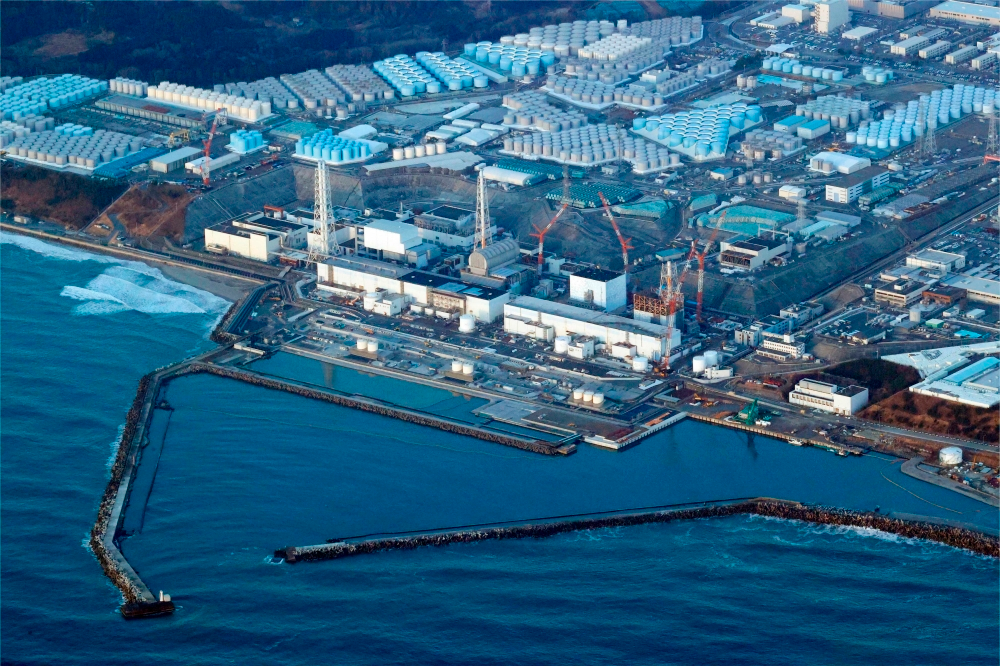
In parallel with the new operational plans, Japan continues its painstaking efforts to decommission the crippled Fukushima nuclear plant. Last August, according to reports from Agence France-Presse, sophisticated, remotely controlled robots were deployed inside the damaged reactors. This delicate operation aims to locate and remove remnants of molten nuclear fuel and radioactive debris, a highly complex technical task given the high levels of radiation that preclude direct human intervention.
Economic and geopolitical importance
The decision to return to nuclear power has implications that extend beyond national borders; it is seen as part of Japan's commitment to achieving carbon neutrality by 2050. It also reflects a renewed global trend toward nuclear power as a "clean" and stable energy source, particularly in light of geopolitical tensions that threaten global oil and gas supplies. The Japanese government hopes that the operation of the world's largest nuclear power plant will contribute to stabilizing the national electricity grid and reducing costs for consumers and factories.