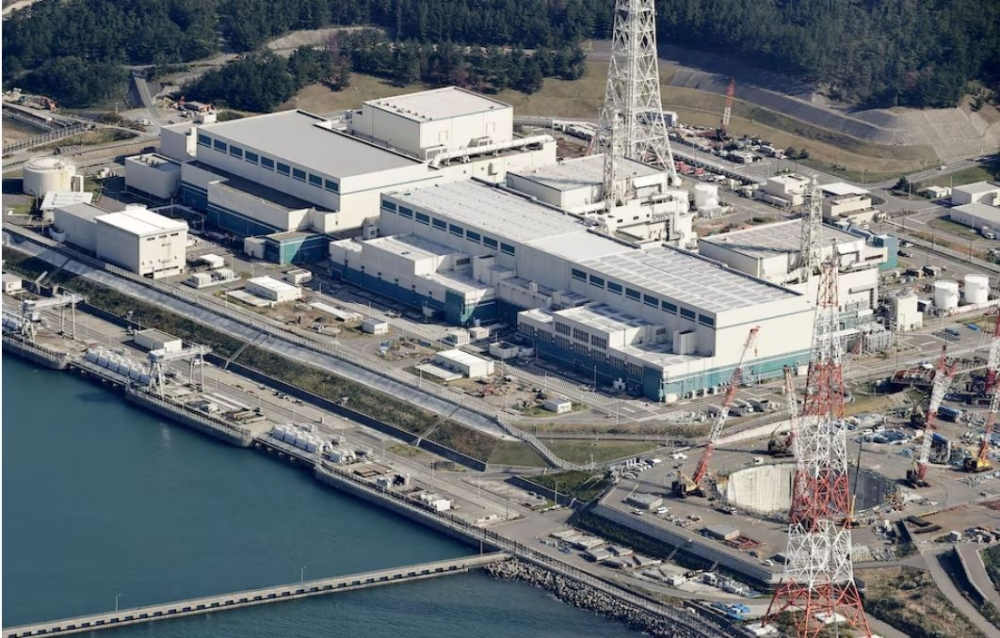
In a move representing a radical shift in Japanese energy policy, Niigata Prefecture officially approved the restart of the Kashiwazaki-Kariwa nuclear power plant on Monday. The plant is the world's largest nuclear power plant by generating capacity. This decision comes after a nearly 15-year shutdown imposed by the aftermath of the Fukushima Daiichi disaster, marking the beginning of a new phase in Tokyo's efforts to restore nuclear power to its energy mix.
The nuclear giant is back in operation
The Kashiwazaki-Kariwa nuclear power plant, operated by Tokyo Electric Power Company (TEPCO), is a cornerstone of Japan's energy infrastructure. Located about 220 kilometers (136 miles) northwest of Tokyo, its massive generating capacity of approximately 8.2 gigawatts makes it the largest in the world. The plant was one of 54 reactors that were phased out following the devastating earthquake and tsunami of 2011, which triggered a nuclear meltdown at the Fukushima Daiichi plant, marking the worst nuclear disaster since Chernobyl in 1986.
Historical context and strategic shift
To understand the significance of this decision, one must consider the complex historical context. Following the 2011 disaster, Japan entered a period of nuclear stagnation, with all reactors shut down for rigorous safety reviews. However, global economic pressures and rising fossil fuel import costs, particularly for liquefied natural gas and coal, prompted the Japanese government, under Prime Minister Fumio Kishida, to reassess its position. This shift aims to achieve two main objectives: ensuring national energy security and reducing dependence on foreign imports, as well as fulfilling Japan's climate commitments to achieve carbon neutrality by 2050.
Ongoing challenges in Fukushima
While attention is focused on restarting the Kashiwazaki-Kariwa nuclear power plant, efforts to contain the effects of the past continue. Last August, the crippled Fukushima plant saw a significant technological development when technicians sent advanced, remotely controlled robots into one of the damaged reactors. This step is part of the complex preparations for removing radioactive waste and molten fuel, an extremely delicate process due to the high levels of radiation that pose a risk to humans. Removing the nuclear debris is considered one of the most difficult engineering and environmental challenges facing Japan, and it is expected to take decades to complete.
Restarting the world's largest nuclear power plant not only strengthens the electricity grid in eastern Japan, but also sends a strong signal to global markets about the return of confidence in nuclear power as a strategic option for major industrialized nations.