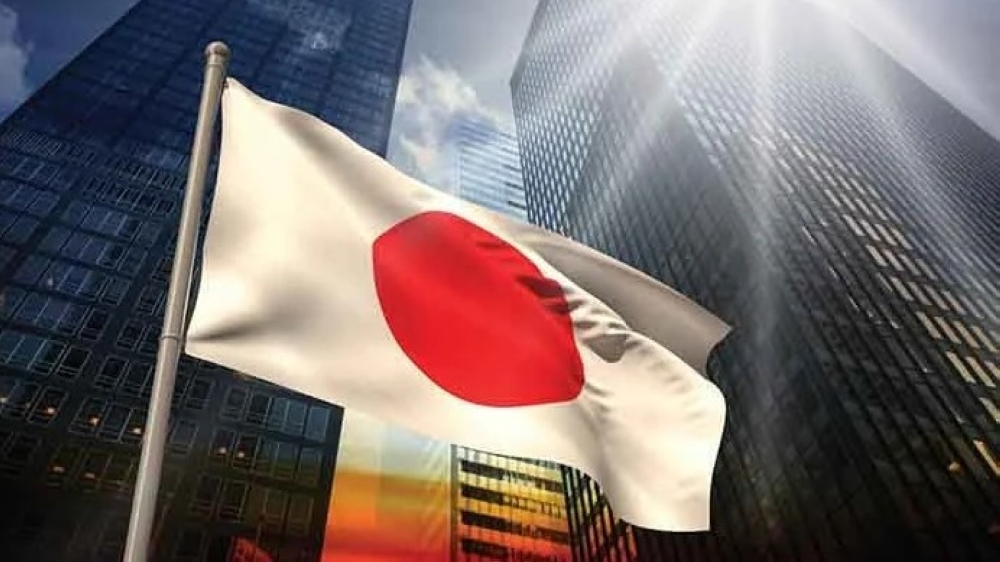
أقرّت الحكومة اليابانية، يوم الجمعة، موازنة عامة قياسية للسنة المالية المقبلة التي تبدأ في الأول من أبريل 2026، حيث بلغ إجمالي الموازنة 122,300 مليار ين (ما يعادل نحو 781 مليار دولار). وتأتي هذه الخطوة الجريئة لتمويل زيادة ضخمة في الإنفاق الدفاعي، بالإضافة إلى تغطية التكاليف المتصاعدة للضمان الاجتماعي، في وقت يلقي فيه التضخم بظلاله الثقيلة على الاقتصاد المحلي والإنفاق الاستهلاكي.
تحول استراتيجي في العقيدة الدفاعية
وتلحظ الموازنة الجديدة تخصيص مبلغ غير مسبوق يقدر بنحو تسعة آلاف مليار ين للإنفاق الدفاعي. ويأتي هذا التخصيص الضخم في وقت تسعى فيه رئيسة الوزراء ساناي تاكايشي إلى تسريع وتيرة تحديث القدرات العسكرية للبلاد. ويعكس هذا التوجه تحولاً جذرياً في السياسة اليابانية التي التزمت لعقود طويلة بموقف سلمي صارم بموجب دستور ما بعد الحرب العالمية الثانية. إلا أن المتغيرات الجيوسياسية الأخيرة دفعت طوكيو نحو تبني استراتيجية أمنية أكثر حزماً، تهدف إلى مضاعفة الإنفاق العسكري ليصل إلى معيار 2% من الناتج المحلي الإجمالي، وهو المعيار المعتمد لدى دول حلف الناتو.
تحديات اقتصادية وديموغرافية
إلى جانب الشق العسكري، تواجه الموازنة اليابانية ضغوطاً هائلة ناتجة عن التغيرات الديموغرافية والاقتصادية. فارتفاع تكاليف الضمان الاجتماعي يُعزى بشكل رئيسي إلى شيخوخة السكان المتسارعة في اليابان، مما يفرض أعباءً إضافية على أنظمة التقاعد والرعاية الصحية. وبالتوازي مع ذلك، يستمر التضخم في إرهاق كاهل المواطنين، مما استدعى تدابير مالية لمواجهة ارتفاع الأسعار ودعم القدرة الشرائية، في ظل بيئة اقتصادية عالمية تتسم بعدم اليقين.
التوترات الإقليمية ومخاطر الصين
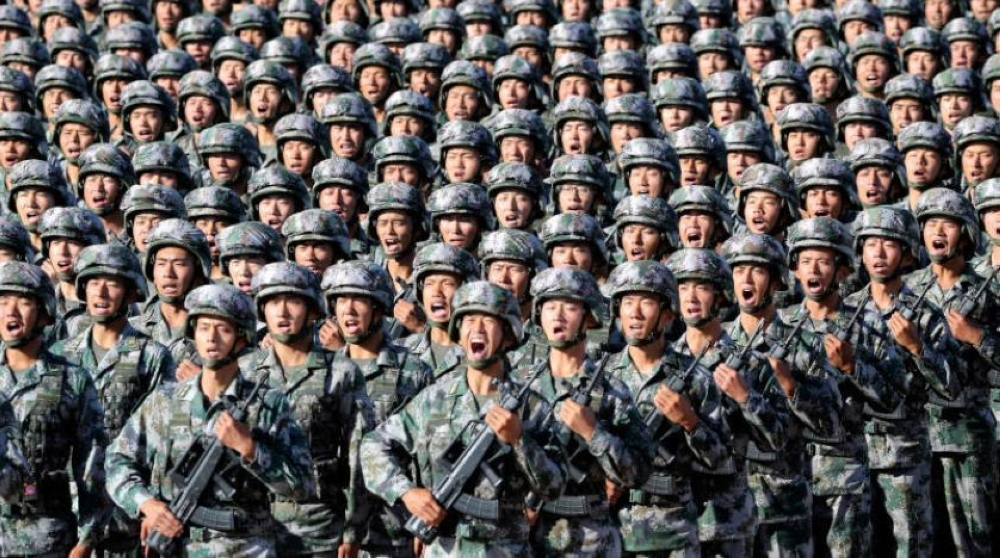
وأشارت وزارة الدفاع في تبريرها لهذه الزيادة إلى أن اليابان تواجه حالياً "أخطر بيئة أمنية وأكثرها تعقيداً" منذ نهاية الحرب العالمية الثانية، مؤكدة على ضرورة تعزيز القدرات الدفاعية بشكل جذري لردع أي تهديدات محتملة. ويأتي إقرار هذه الميزانية الضخمة في ظل تصاعد ملحوظ للتوتر بين طوكيو وبكين، خاصة عقب التصريحات التي أدلت بها تاكايشي والتي ألمحت فيها إلى احتمالية تدخل اليابان عسكرياً في حال شن أي هجوم على تايوان.
تداعيات الأزمة التايوانية
وتعتبر قضية تايوان نقطة اشتعال رئيسية في المنطقة، حيث تعد بكين الجزيرة جزءاً لا يتجزأ من أراضيها ولم تستبعد استخدام القوة لضمها. ويرى الخبراء أن أي صراع في مضيق تايوان سيكون له تداعيات مباشرة وكارثية على الأمن القومي الياباني، نظراً للقرب الجغرافي ولأهمية الممرات المائية المحيطة للتجارة اليابانية. هذا الواقع الجديد دفع اليابان لتعزيز تحالفاتها العسكرية وتطوير قدرات هجومية مضادة، متجاوزة بذلك عقوداً من السياسات الدفاعية المكتفية بالدفاع عن النفس فقط.