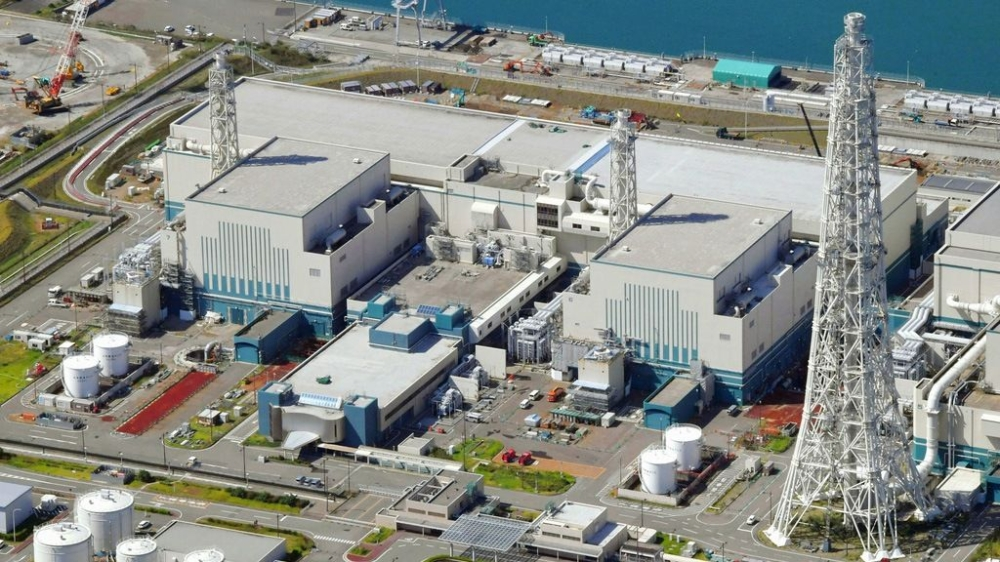
Japan is planning a major strategic move in the energy sector, aiming to restart the world's largest nuclear power plant, the Kashiwazaki-Kariwa plant in Niigata Prefecture. This comes after a long period of inactivity and anticipation, as Tokyo seeks to bolster its energy security and reduce its reliance on imported fossil fuels.
Reactor Seven Operation Plan
According to the Japanese news agency Kyodo, Tokyo Electric Power Company (TEPCO), the operator of the plant, is considering restarting reactor number 7, the first of seven reactors at the giant facility, by January 20. Sources confirmed that this step remains contingent upon obtaining final regulatory approvals and local approval, a prerequisite for ensuring safe operations.
The shadows of the 2011 disaster and the historical context
This decision cannot be separated from the painful historical context Japan experienced in March 2011, when a devastating magnitude 9 earthquake struck off its east coast, followed by massive tsunamis. This natural disaster triggered a nuclear meltdown at the Fukushima Daiichi plant, resulting in one of the worst nuclear disasters in history. In its aftermath, Japan shut down all 54 of its nuclear reactors for rigorous safety inspections and to update safety standards. The Kashiwazaki-Kariwa plant, located about 220 kilometers northwest of Tokyo, was among the facilities that ceased operations.
Strategic and economic importance
The reactivation of this station is of paramount importance to Japan on several levels:
- Energy security: Japan is heavily reliant on imported natural gas and oil. With global geopolitical volatility and rising energy prices, a return to nuclear power has become essential to ensuring the stability of the electricity grid.
- Climate goals: The Japanese government has set ambitious goals to achieve carbon neutrality by 2050. Nuclear power is considered a clean source of carbohydrates, making the restarting of reactors an integral part of the country's "green transformation" strategy.
- Production capacity: The Kashiwazaki-Kariwa plant is the world's largest in terms of net production capacity, with a capacity exceeding 8,000 megawatts when all its reactors are operational, meaning that its return to operation will make a huge difference to the electricity supply for the greater Tokyo area and surrounding industrial regions.
TEPCO faces significant challenges in restoring public confidence, as the plant has undergone extensive upgrades to enhance its resistance to earthquakes and tsunamis, as well as improve physical protection and anti-terrorism systems, to ensure that past scenarios are not repeated.