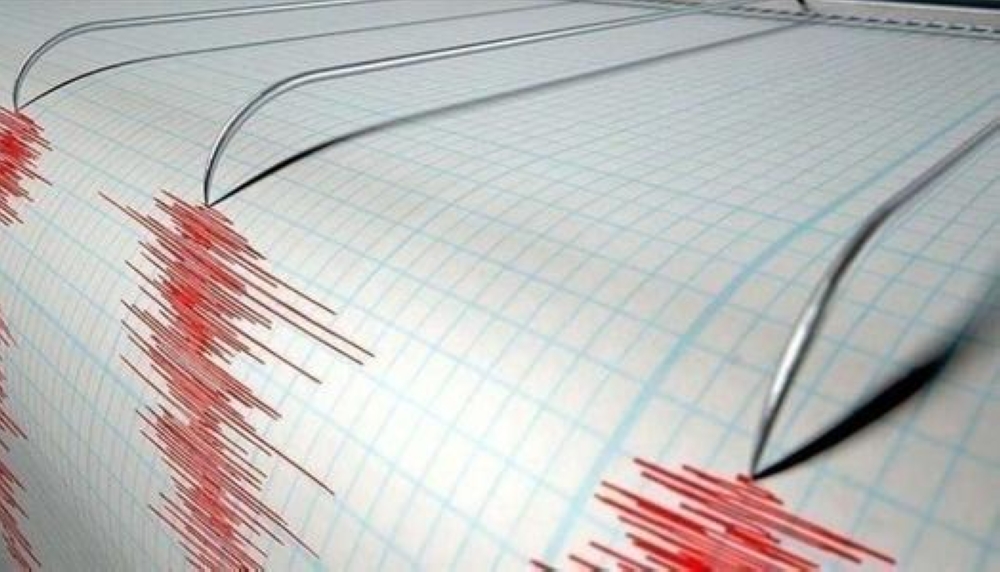
On Tuesday morning, the western coast of Japan witnessed a geological event that sparked anticipation, as an earthquake measuring 6.2 on the Richter scale struck Shimane Prefecture and surrounding areas, according to the Japan Meteorological Agency.
Earthquake details
Official data from the Japan Meteorological Agency (JMA) indicates that the earthquake struck at 10:18 a.m. local time (01:18 GMT). While the tremor was felt in western regions, the agency quickly reassured the public that no tsunami warning had been issued, a major concern for coastal areas.
Japan and the Ring of Fire: A Geological Context
This earthquake is part of the expected natural seismic activity in Japan, which lies geographically on the Pacific Ring of Fire. This region is a broad arc of intense seismic and volcanic activity that encircles the Pacific Ocean basin. Earthquakes in Japan are caused by the ongoing interaction of several tectonic plates, most notably the Pacific Plate, the Philippine Sea Plate, and the Eurasian Plate.
Geological studies indicate that Japan records approximately 20% annually of all earthquakes of magnitude 6 or greater worldwide, making it one of the most seismically active countries.
Japanese preparedness and the impact of infrastructure
Despite the earthquake's magnitude of 6.2, the destructive effects in Japan are often limited compared to other countries, thanks to the country's extremely strict building standards. Over decades, Japan has developed advanced engineering techniques that enable buildings and bridges to absorb shocks and sway with earthquakes rather than collapse.
Japan also has one of the most advanced early warning systems in the world, which is linked to a wide network of seismometers, enabling the sending of immediate alerts to mobile phones, train stations and factories seconds before the arrival of powerful seismic waves, which effectively contributes to reducing human losses.
Regional importance and ongoing monitoring
Any seismic activity in or off the coast of the Sea of Japan attracts regional and international attention due to the high population density and the presence of vital infrastructure in those areas. Local authorities and the Meteorological Agency continue to monitor the situation for any aftershocks that may follow the main earthquake, a common phenomenon in such geological events.
This event remains a constant reminder of the importance of preparing for natural disasters, as the Japanese government continues to conduct regular drills for the population to ensure maximum readiness in the event of major earthquakes in the future.