A new geological event struck Japan's northeastern coast this morning, with earthquake hitting off the coast of Iwate Prefecture. The quake prompted close monitoring by local authorities and residents of coastal areas. There were no immediate reports of casualties or major damage, reflecting the country's robust infrastructure.
Earthquake details and weather data
According to official data from the Japan Meteorological Agency, the earthquake occurred at a relatively shallow depth of 10 kilometers below the sea surface. The epicenter was precisely located off the coast of Sanriku Prefecture, at the coordinates 39.4 degrees north latitude and 143.2 degrees east longitude. Despite its considerable magnitude on the Richter scale, the seismic activity on land was moderate.
The earthquake registered a magnitude of 3 on the Japanese seismic intensity scale (Shindo), which ranges from 7, and was felt in several areas including the prefectures of Aomori, Iwate, Miyagi, and Yamagata. This scale is unique to Japan as it measures both the degree to which residents feel the tremor and its impact on buildings, rather than simply measuring the energy released from the epicenter.
Impact of the Japan earthquake and the geological context of the region
This earthquake is particularly significant due to its sensitive geographical location. Japan lies on the Pacific Ring of Fire, a region of intense seismic and volcanic activity caused by the collision of tectonic plates. Specifically, the Sanriku coast and northeastern Japan are among the most seismically active areas in the world, the same region that experienced the devastating earthquake of 2011. However, this current earthquake is considered part of the routine seismic activity that Japan experiences periodically.
From an engineering and construction perspective, Japan's strict building standards play a crucial role in minimizing losses. Buildings are designed to absorb shocks and sway with earthquakes rather than collapse, which explains the minimal damage even though a magnitude 6 earthquake would be devastating in other countries lacking such infrastructure.
Fears of tsunami waves
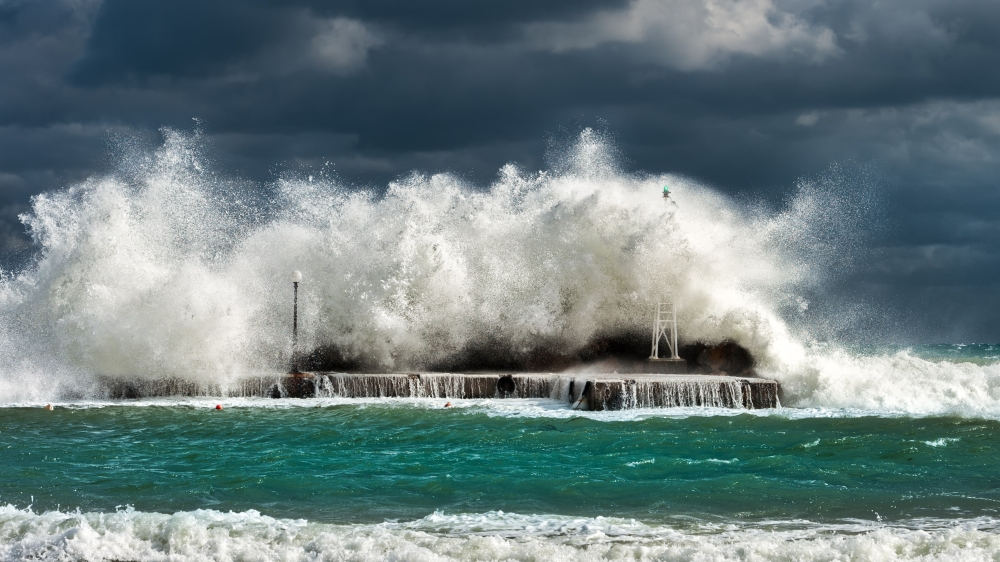
Regarding international and domestic concerns about a potential tsunami, the Japan Meteorological Agency confirmed that no tsunami warning was issued following the earthquake. Tsunamis typically require stronger earthquakes or significant vertical movements of the ocean floor to form, neither of which were present in the Japanese earthquake . The situation remains under continuous monitoring to ensure the safety of residents and maritime navigation in the surrounding region.