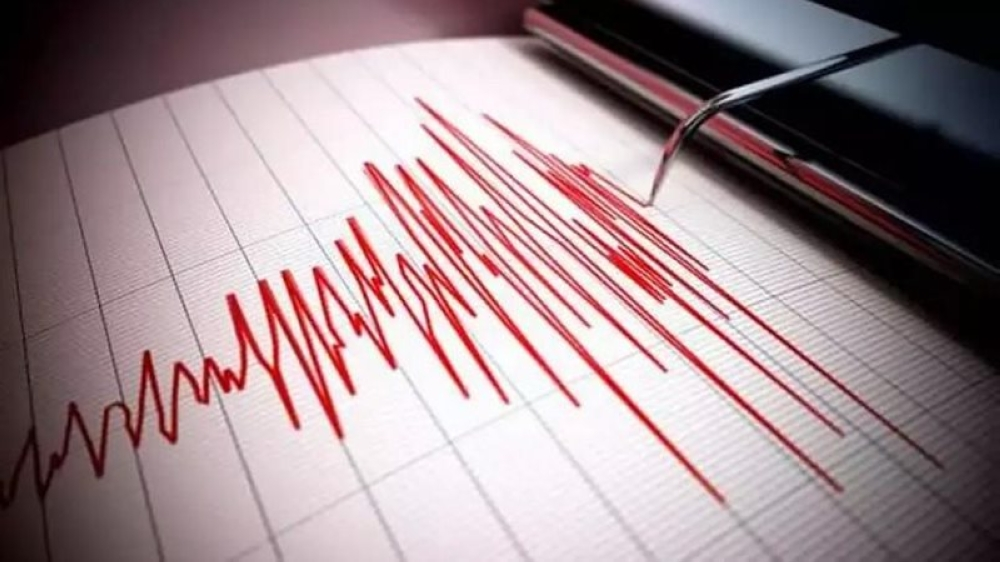
A 5.2-magnitude earthquake struck off the northern coast of Japan on Tuesday, specifically off the coast of Hokkaido. The Japan Meteorological Agency, according to Kyodo News, reported that the epicenter was located 40 kilometers below the sea surface at 43 degrees north latitude and 145.5 degrees east longitude. While the tremor was felt in some areas, there were no immediate reports of damage or injuries, and authorities confirmed there was no tsunami threat.
Japan and the Ring of Fire: A Permanent Geological Context
This earthquake serves as a constant reminder of Japan's unique geographical location, situated on the Pacific Ring of Fire. This region is a series of tectonic faults that run along the ocean's coastlines and is responsible for approximately 90% of the world's earthquakes. Japan lies at the meeting point of four major tectonic plates, making it one of the most seismically active countries in the world. This constant interaction between the plates leads to a buildup of pressure that is periodically released in the form of earthquakes of varying magnitudes, making tremors a part of daily life in the country.
The importance of preparedness and readiness in facing disasters
Throughout its history, Japan has faced devastating earthquakes that have shaped its national consciousness and prompted it to develop some of the world's most advanced infrastructure and early warning systems. The Great East Japan Earthquake of 2011, a magnitude 9.1 quake followed by a catastrophic tsunami, remains a stark reminder of this disaster. This catastrophe led the Japanese government to revise and update building codes to be more stringent and to strengthen early warning systems that can send alerts to citizens via mobile phones and television seconds before powerful seismic waves arrive. Regular evacuation drills are also conducted in schools and businesses to ensure the population is prepared to respond to any emergency.
Limited impact and scientific importance
Although a 5.2 magnitude earthquake is classified as moderate and may not cause significant damage, especially in a well-equipped country like Japan, its importance lies in serving as a true test of the effectiveness of preventative measures. Every earthquake provides valuable data for seismologists to study tectonic plate movement and improve models for predicting future hazards. For local residents, these events serve as a reminder of the need for constant vigilance and adherence to safety instructions. Internationally, Japan's swift and organized response to such events provides a model for natural disaster management.