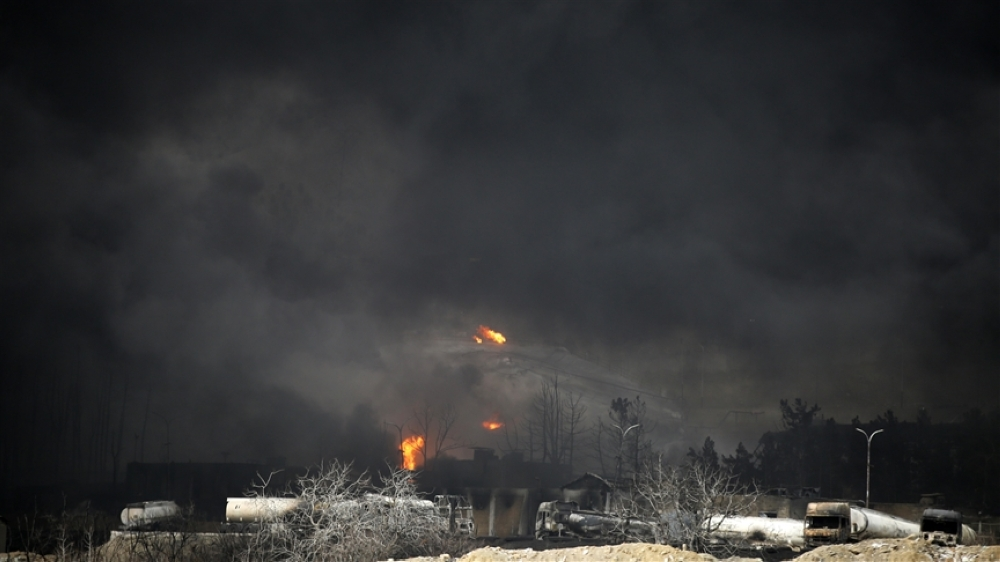
A 5.2-magnitude earthquake struck off the eastern coast of Aomori Prefecture in northern Japan on Tuesday. According to the Japan Meteorological Agency, the quake's epicenter was located at a relatively shallow depth of about 20 kilometers below the seabed, which may have amplified the tremors felt on the surface. Despite the earthquake's strength, authorities did not issue a tsunami warning, and there were no immediate reports of casualties or significant damage in nearby coastal areas.
Geological context: Japan and the Ring of Fire
This earthquake serves as a constant reminder of Japan's unique geological location on the Pacific Ring of Fire. This region, a series of tectonic faults that stretch along the ocean's coastlines, is characterized by some of the highest seismic and volcanic activity in the world. Japan lies at the meeting point of four major tectonic plates, making it highly susceptible to earthquakes. The Japanese archipelago experiences thousands of tremors annually, most of which are minor and go unnoticed by the population, but some are strong enough to cause damage.
The importance of the event and its expected impact
Although a magnitude 5.2 earthquake is classified as moderate and rarely causes widespread destruction, its occurrence puts the country's early warning systems and infrastructure to the test. After each tremor, Japanese authorities conduct rapid assessments of the performance of transportation networks and the safety of critical infrastructure such as nuclear power plants, bridges, and tunnels. This earthquake, while causing no damage, reinforces the vigilance of the population and authorities and underscores the importance of the regular evacuation and emergency response drills for which Japan is renowned.
Lessons from the past and advanced preparedness systems
Japan has learned harsh lessons from past disasters, most notably the devastating Tohoku earthquake and tsunami of 2011, which triggered the Fukushima nuclear disaster. Since then, the country has significantly increased its investment in developing early warning and monitoring systems, as well as implementing some of the world's strictest building codes, ensuring that high-rise buildings and infrastructure can withstand even the most powerful tremors. This latest earthquake, while a minor event, demonstrates the effectiveness of these strategies in mitigating risks and protecting lives and property in one of the world's most earthquake-prone countries.