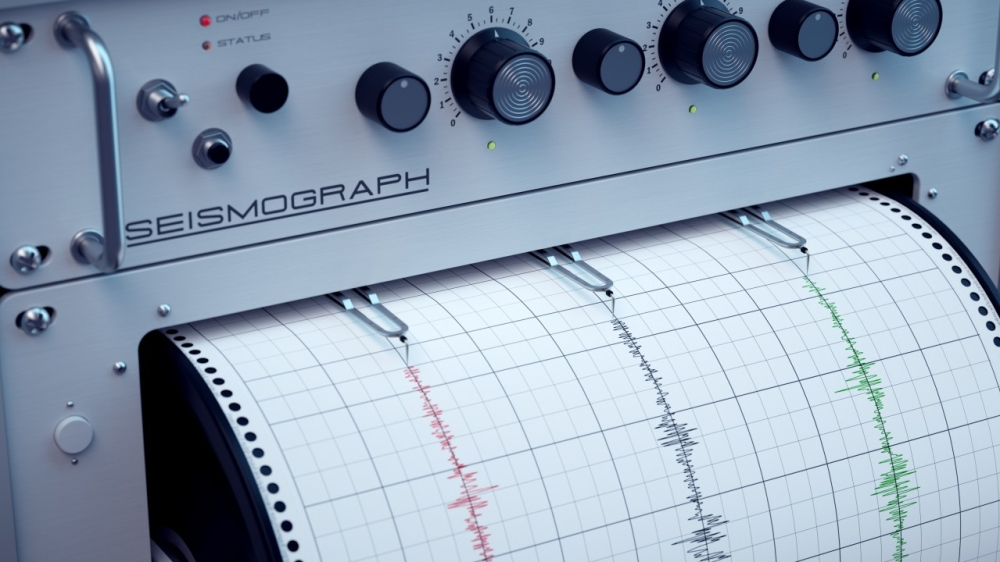
An earthquake measuring 5.1 on the Richter scale struck an area near the east coast of Honshu, Japan's largest island, today. While the tremor was felt, no immediate reports of damage or casualties were received, and no tsunami warning was issued, further demonstrating Japan's preparedness for such frequent natural phenomena.
According to the German Research Centre for Geosciences (GFZ), the earthquake's epicenter was located at a relatively shallow depth of 10 kilometers below sea level. While shallow earthquakes are typically more impactful, Japan's sophisticated infrastructure is specifically designed to withstand much stronger tremors, significantly reducing potential damage.
Japan and the Ring of Fire: A History of Living with Earthquakes
This earthquake occurs within a geological context that makes Japan one of the most seismically active countries in the world. The country lies on the Pacific Ring of Fire, a region where several major tectonic plates meet, including the Pacific Plate and the Philippine Plate. The constant friction and pressure between these plates release enormous energy in the form of periodic earthquakes. This unique geographical location is the reason why Japan experiences thousands of earthquakes annually, most of which are minor and go unnoticed by the population.
Event significance: Ongoing testing of the early warning system
Although a magnitude 5.1 earthquake is considered moderate, its significance lies in its being a true test of Japan's preparedness systems. Japan has one of the most sophisticated early warning systems in the world, which sends alerts via mobile phones, television, and radio seconds before the arrival of the most destructive seismic waves. These precious seconds give residents a valuable opportunity to take preventative measures, such as taking shelter under sturdy furniture or shutting off gas supplies. Furthermore, stringent building codes, continuously updated since the devastating Kobe earthquake of 1995, ensure that modern buildings are shock-absorbing and resistant to collapse, which explains the lack of damage in such tremors.
The calm and organized response to this earthquake reflects a culture of preparedness deeply rooted in Japanese society, where evacuation drills and disaster response are an integral part of school curricula and daily life. Thus, this event, despite its simplicity, underscores the success of Japan's strategy in transforming the threat of earthquakes from a potential catastrophe into a manageable event that can be lived with with minimal losses.