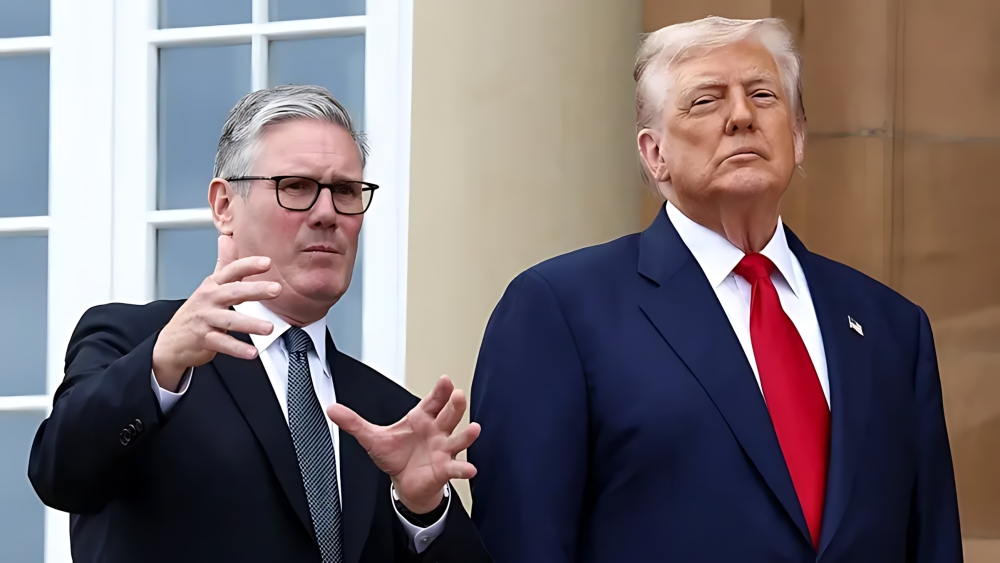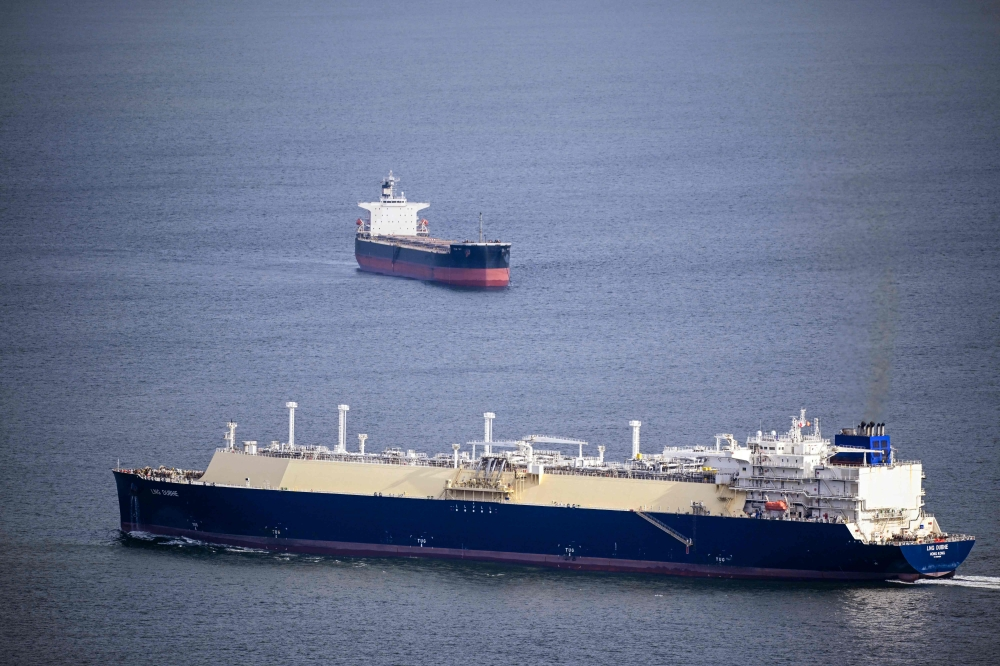
In a move reflecting the divergent views between the United States and its allies, both the Japanese and Australian governments announced their firm rejection of US President Donald Trump's call to join a maritime coalition aimed at protecting navigation in the Strait of Hormuz . These statements come amid escalating geopolitical tensions in the Middle East, where Washington is seeking to garner broad international support, including from allied nations and China, to ensure the safe flow of oil exports through this vital waterway.
The official position of Japan and Australia regarding the Strait of Hormuz
Japan confirmed on Monday that it does not intend to conduct any maritime security operation in the region in response to US pressure. In this context, Japanese Defense Minister Shinjiro Koizumi stated clearly before the Japanese parliament: “Given the current situation in Iran, we do not intend to launch a maritime security operation.” This stance reflects Tokyo’s desire to maintain balanced diplomatic and economic relations with Tehran and to avoid being drawn into a military escalation that could harm its strategic interests.
On the other hand, Australia adopted a similar stance, with the Australian Transport Minister announcing that her country would not send any warships to the region. Catherine King explained to the Australian Broadcasting Corporation (ABC): “We will not be sending a ship to the region. We know how important it is, but this is not something we have been asked to do and it is not something we are contributing to.” This statement underscores Canberra’s desire to distance itself from the immediate tensions in the Middle East and focus on its security priorities in the Indo-Pacific region.
Strategic importance and historical background of the waterway
To understand the dimensions of this event, one must consider the historical context and geopolitical importance of the Strait of Hormuz. This strait is one of the world's most important waterways, connecting the Persian Gulf, the Gulf of Oman, and the Arabian Sea. Approximately one-fifth of the world's crude oil supply passes through it, making it a vital artery for the global economy. Historically, the strait has witnessed numerous tensions, most notably the "Tanker War" during the Iran-Iraq War in the 1980s, as well as repeated incidents of attacks on and seizures of commercial oil tankers in recent years. This has prompted the United States to repeatedly attempt to form international coalitions to secure navigation through the strait.
The expected impact of the Allies' decisions on the international landscape
The refusal of major allies such as Japan and Australia to participate in military operations in the Strait of Hormuz carries profound implications at the local, regional, and international levels. Internationally, this refusal highlights the challenges facing the US administration in forging a global consensus against threats in the waterways, potentially prompting Washington to reassess its security strategies and rely more heavily on its own capabilities or seek new regional partners.
Regionally, this stance could be interpreted as a conciliatory message that contributes to de-escalating military tensions in the Arabian Gulf, as major powers avoid directly provoking Tehran. However, on the domestic and economic front, continued tensions without a comprehensive international security framework could keep global energy markets in a state of uncertainty, impacting oil prices, shipping costs, and marine insurance, which in turn affects economies heavily reliant on energy imports.