In a poignant testimony echoing the horrors of the past, Japanese survivors of the atomic bombings of Hiroshima and Nagasaki expressed their deep fears that the world is sliding toward a devastating nuclear war. This growing anxiety comes in the wake of the de facto suspension of the last major nuclear arms control treaty between the United States and Russia, the New START treaty.
Terumi Tanaka, a prominent survivor and co-chair of the Nihon Hidankyō organization, which represents victims of atomic and hydrogen bombs, spoke in a warning tone during a press conference. "Given the current situation, I have a feeling that we will witness a nuclear war in the not-too-distant future, and we will be headed for destruction," said the 93-year-old Tanaka. He added that citizens of nuclear powers rarely consider the presence of these weapons in their countries, but rather "may consider them proof of their status as a great power, and this is a grave mistake.".
Historical background: A wound that will not heal
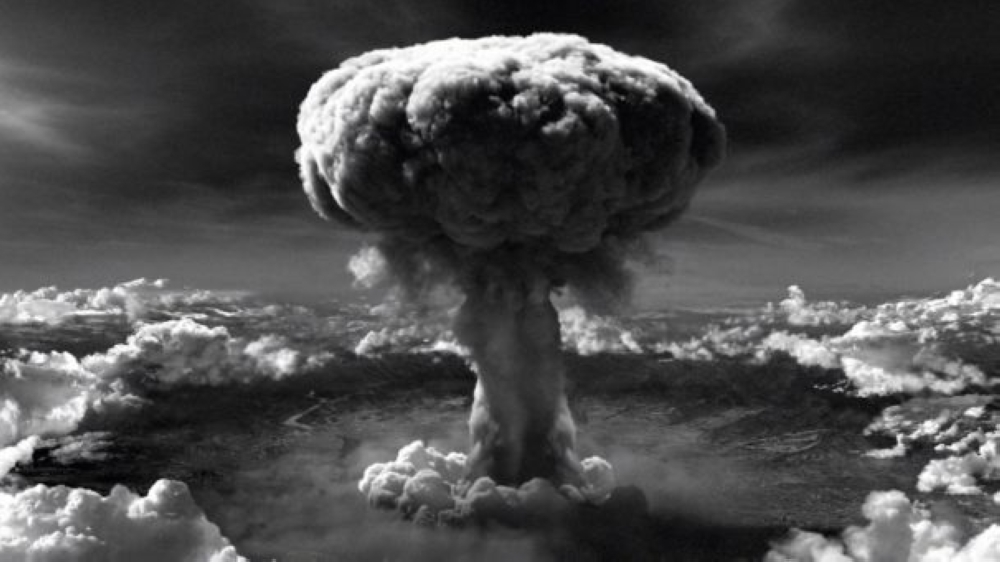
These fears have their roots in August 1945, when the United States dropped two atomic bombs on the cities of Hiroshima and Nagasaki in the final days of World War II—the only military use of nuclear weapons in history. The attacks killed an estimated 140,000 people in Hiroshima and 74,000 in Nagasaki, either in the initial blast or in the months that followed from severe burns and radiation poisoning. Survivors, known as the hibakusha, suffered from chronic illnesses and profound psychological and social trauma, making them some of the world's most vocal advocates for the complete elimination of nuclear weapons.
The importance of the collapsed New START treaty
The New START Treaty, signed in 2010, formed the cornerstone of the global arms control architecture for a decade. It limited the number of strategic nuclear warheads that the United States and Russia could deploy, as well as the missiles and bombers that could deliver them. Its significance lay not only in capping the world’s two largest nuclear arsenals but also in the system of mutual verification and inspection that ensured transparency and built trust between the two powers. However, in February 2023, Russia announced its withdrawal from the treaty, and with its official expiration date approaching in 2026, the world has entered a dangerous new era devoid of any limits on strategic nuclear weapons.
Global Impact: A 3D Arms Race
Experts and activists warn that the collapse of New START could unleash a new and unbridled arms race. The lack of transparency leads each side to assume the worst about the other's intentions, resulting in increased military spending and the development of new weapons. The situation is further complicated by the rise of China as a major nuclear power. Washington has consistently insisted that any future agreement must include Beijing, which is rapidly modernizing and expanding its arsenal. This three-way landscape makes diplomacy more difficult and increases the risk of miscalculation. Failure to establish a new arms control framework not only threatens stability among the major powers but also casts a dark shadow over global security as a whole—a prospect feared by the hibakusha more than anything else.