In a striking development reflecting escalating tensions in East Asia, the Japanese Ministry of Defense announced on Sunday an aerial incident it described as a “dangerous act,” accusing Chinese fighter jets of directing and locking their fire control radars onto Japanese fighters in the airspace southeast of the strategic island of Okinawa.
Details of the air accident
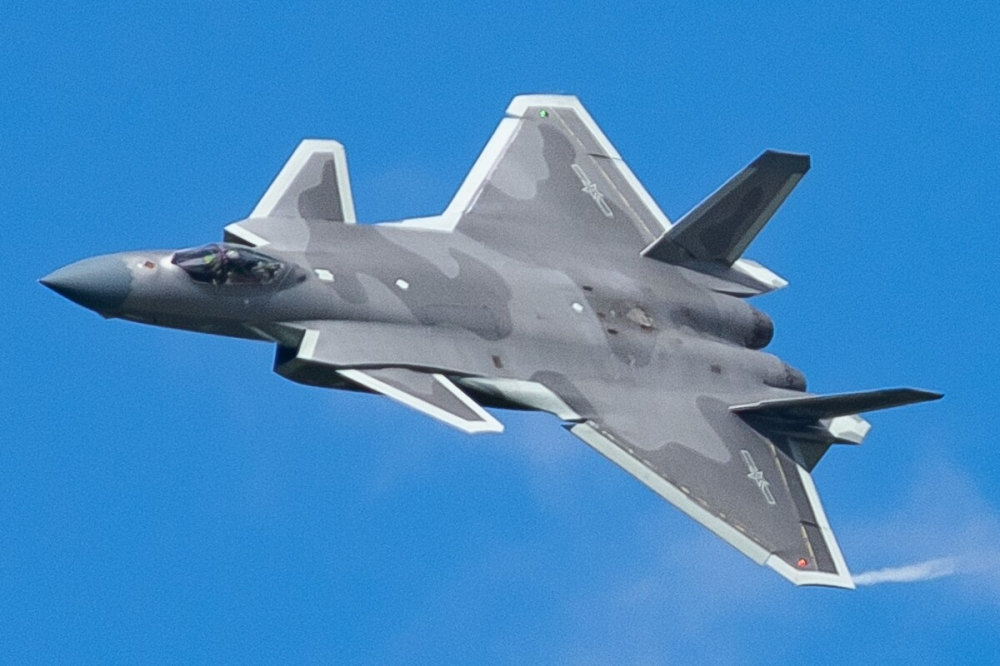
According to the ministry's statement, the incident was not isolated but occurred twice on Saturday. In the first incident, a Chinese J-15 fighter jet, operating from the Chinese aircraft carrier Liaoning in the Pacific Ocean, intermittently locked its radar onto a Japanese F-15 fighter jet belonging to the Japan Air Self-Defense Force. The same scenario was repeated approximately two hours later with another Chinese fighter jet of the same type.
Radar lock-on is considered an aggressive step in military custom, as it means that the attacking aircraft has identified and is automatically tracking the target using the fire control radar, a step that usually precedes the launch of guided missiles, thus placing the targeted pilot in imminent danger.
Official reactions and diplomatic tension
In an urgent press conference, Japanese Defense Minister Shinjiro Koizumi described the incidents as “very serious and regrettable,” emphasizing that Tokyo had not remained passive but had lodged a “strong protest” with Beijing through diplomatic channels, demanding guarantees that such provocations, which could lead to unforeseen incidents, would not be repeated. The ministry also confirmed that no property damage or injuries resulted from the two incidents.
The geopolitical context and escalating disputes
This incident comes at a highly sensitive time for relations between the two Asian powers. Last month saw a marked increase in tension following statements by Japanese Prime Minister Sanae Takaichi, who linked Taiwan's security to Japan's national security, hinting at the possibility of Tokyo intervening if the island were attacked—a move China considers a red line and interference in its internal affairs.
Strategically, the presence of the aircraft carrier Liaoning and its strike group southeast of Okinawa carries significant military implications. This region is part of vital waterways where China seeks to assert its influence and break what is known as the "First Island Chain." Japan and the United States are closely monitoring China's increasing naval exercises in the Pacific, with Tokyo viewing these moves as escalating military pressure on its southwestern border.
Historical background of air and sea tensions
This is not the first such incident between the two countries. The East China Sea and its surrounding airspace have witnessed frequent friction for years, particularly around the disputed Senkaku Islands (which China calls the Diaoyu Islands). While the air forces of both countries routinely conduct intercept flights, the use of fire-control radar escalates the confrontation from mere monitoring to a higher level of direct military threat, typically prompting diplomatic and military mobilization to prevent a slide into open conflict.