Global geological observatories have recorded significant seismic activity in the past few hours, with an earthquake measuring 5.1 on the Richter scale striking off the southern coast of Italy, specifically in the Calabria region, prompting a state of anticipation and close monitoring by local authorities and scientific centers.
Details of the Italian earthquake
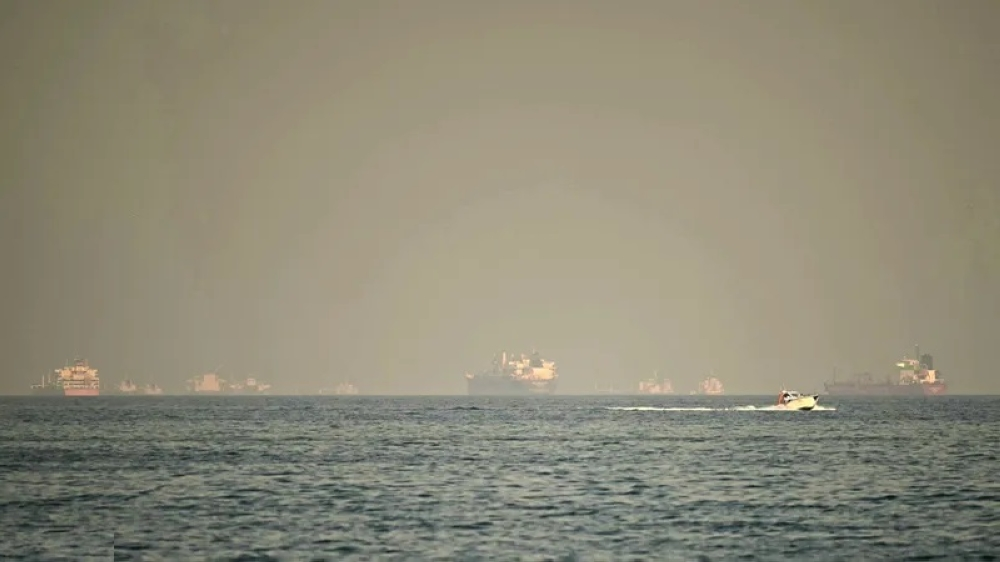
The Italian National Institute of Geophysics and Volcanology (INGV) announced that an earthquake occurred today, with its epicenter located approximately 20 kilometers off the southern coast of Calabria. This region is considered seismically active in the Mediterranean basin.
In a related context, the Italian Civil Protection Agency and fire brigades rushed to reassure citizens, confirming in initial statements that there were no immediate reports of human casualties or serious material damage to infrastructure, despite residents feeling the tremor in nearby coastal areas.
The geological context of Italy's seismic activity
Italy is one of the most earthquake-prone countries in Europe due to its complex geological location. The country lies at the junction of the African and Eurasian tectonic plates. This constant interaction between the plates leads to a buildup of pressure in the Earth's crust, which is released periodically in the form of earthquakes of varying intensity. Historically, the Calabria region and the island of Sicily have experienced powerful earthquakes, keeping authorities on constant alert and prompting the continuous development of earthquake-resistant building standards.
An earthquake strikes Tajikistan
Meanwhile, coinciding with the Italian event, global seismic activity was detected in Central Asia. A 5.3 magnitude earthquake struck Tajikistan yesterday. The Indian National Seismic Monitoring Centre reported that the tremor was recorded at 38.26 degrees north latitude and 73.42 degrees east longitude.
What distinguishes the Tajikistan earthquake is its considerable depth, reaching 110 kilometers below the Earth's surface. Geologically, deep earthquakes often have less destructive impact on the surface compared to shallow earthquakes, but their geographical reach can be wider. Tajikistan lies in a rugged, mountainous region affected by tectonic activity resulting from the collision of the Indian and Eurasian plates, which explains the frequency of earthquakes in this landlocked area.
Experts emphasize that the timing of these events does not necessarily mean there is a direct link between them, as the earth experiences hundreds of imperceptible tremors daily, but tremors exceeding 5 degrees are highlighted due to their potential impact on the population.