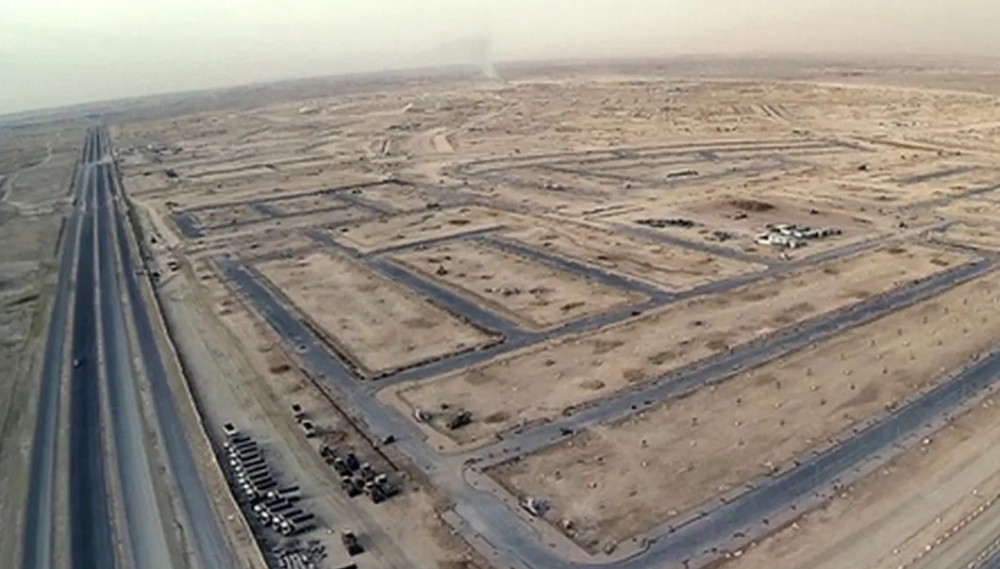
The Ministry of Municipalities and Housing, represented by the White Land and Vacant Properties Fees Program, announced today, Thursday, the issuance of more than 60,000 invoices for white land fees within the urban area of Riyadh. This decisive step comes as an extension of the directives of His Royal Highness Prince Mohammed bin Salman, Crown Prince and Prime Minister – may God protect him – aimed at reorganizing the real estate market in the Kingdom and achieving the desired balance between supply and demand.
Context of the decision and its strategic objectives
This measure is not merely about revenue collection; it falls within the framework of the Kingdom's Vision 2030, which aims to address the challenges facing the housing sector. Historically, major cities like Riyadh have suffered from the monopolization of vast tracts of undeveloped land within their urban boundaries, leading to inflated prices and a shortage of land suitable for construction. The vacant land tax system primarily aims to free up these lands, incentivizing their owners to either develop them to provide housing units or sell them at fair prices, thereby contributing to a reduction in the cost of homeownership for citizens.
The formal mechanism for issuing invoices
The ministry explained that issuing this large batch of invoices was in accordance with the provisions of the White Land and Vacant Properties Fees System and its implementing regulations. This was done after completing all the necessary regulatory and technical procedures, based on the approved geographical areas previously defined by the ministry for applying the fees, and in strict accordance with the target segments in the implementing regulations, thus ensuring a fair and transparent application of the system.
Expected economic impact
The issuance of 60,000 invoices is expected to significantly impact the real estate market in Riyadh. Economically, this regulatory pressure will increase the supply of developed land, boosting competition and curbing monopolistic practices. It will also open up opportunities for real estate developers to utilize this land for new residential and commercial projects, positively impacting the GDP and creating diverse investment and employment opportunities.
Payment deadlines and developer support via "Etmam"
To facilitate matters for serious landowners, the ministry clarified that the system allows taxpayers to benefit from specific payment deadlines if they commence development on their land, in accordance with precise technical regulations. Specialized committees review requests for extensions based on the progress of development, as actual progress contributes to reducing the financial burden associated with the land.
In this context, the Ministry affirmed that the Developers Services Center “Etmam” provides direct logistical and technical support to owners of undeveloped land who wish to develop, by expediting licensing and approval procedures, and effective coordination with all relevant governmental and service agencies, to enable owners to complete their projects within the regulatory frameworks.
The right to object and transparency
To guarantee the rights of taxpayers, the Ministry affirmed that the system ensures the right to appeal the fee invoice before the relevant committee within 60 days of being notified of the decision. The committee is obligated to resolve the appeal within a period not exceeding 60 days from its submission, according to clear procedures. The Ministry urged landowners to review the details of their invoices through the electronic portal for vacant land fees and to utilize the available digital services.