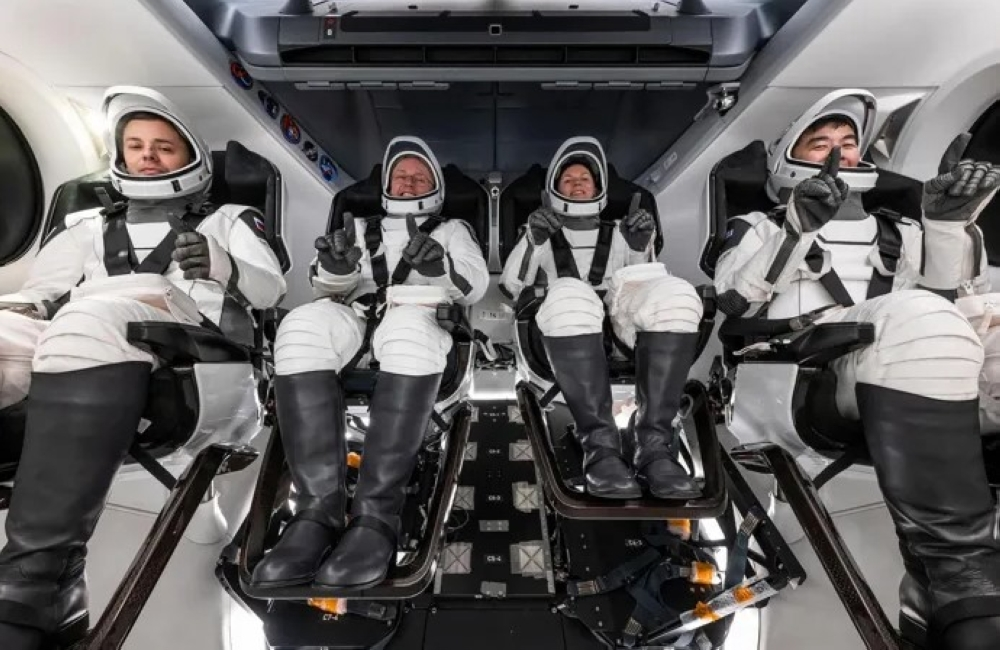
في حدث يُعد سابقة استثنائية في تاريخ الرحلات الفضائية طويلة الأمد، عاد طاقم محطة الفضاء الدولية إلى الأرض اليوم الخميس، منهياً مهمته قبل الموعد المحدد. جاء هذا القرار الاضطراري نتيجة لمشكلة صحية غير محددة ألمت بأحد أفراد الطاقم، مما استدعى تدخلاً من وكالة الفضاء الأميركية (ناسا) لتغيير الجدول الزمني للمهمة حفاظاً على سلامة الرواد.
تفاصيل الهبوط والقرار الطبي
هبطت كبسولة "دراغون" التابعة لشركة "سبايس إكس" بسلام في مياه المحيط الهادئ قبالة سواحل ولاية كاليفورنيا عند الساعة 08:41 بتوقيت غرينتش. وكانت الكبسولة تقل طاقم المهمة "كرو-11" المكون من رائدي الفضاء الأميركيين مايك فينكي وزينا كاردمان، ورائد الفضاء الروسي أوليغ بلاتونوف، بالإضافة إلى رائد الفضاء الياباني كيميا يوي.
وأوضحت "ناسا" أن قرار العودة لم يكن عملية إجلاء طارئة بالمعنى التقليدي، بل وصفته بأنه "قرار مدروس" نبع من وجود "خطر مستمر" و"حالة من عدم اليقين" بشأن التشخيص الطبي لأحد الرواد وهو في المدار. وأشار جيمس بولك، كبير المسؤولين الطبيين في الوكالة، إلى أن العودة للأرض كانت الخيار الأمثل لإجراء الفحوصات الطبية المتقدمة التي لا تتوفر إمكانياتها الكاملة على متن المحطة التي تدور على ارتفاع 400 كيلومتر فوق سطح الأرض.
سابقة في تاريخ المحطة المدارية
تكتسب هذه الحادثة أهمية خاصة كونها تمثل سابقة نادرة في تاريخ محطة الفضاء الدولية الممتد لأكثر من عقدين. فعادة ما يتم التعامل مع المشكلات الصحية البسيطة للرواد داخل المحطة عبر التطبيب عن بُعد وبالاستعانة بالتجهيزات الطبية الموجودة، بينما تُخصص رحلات العودة المبكرة لحالات الطوارئ القصوى. يعكس هذا القرار تحولاً في بروتوكولات السلامة، حيث يتم تغليب الحذر الشديد والعودة للتشخيص الأرضي عند وجود أي غموض طبي، مما يؤكد التزام الوكالات الدولية بسلامة الرواد كأولوية قصوى تفوق الجداول الزمنية للمهمات.
الخصوصية والتعاون الدولي
التزاماً بالقوانين الطبية الصارمة وحماية لخصوصية الأفراد، تكتمت "ناسا" تماماً على هوية رائد الفضاء المصاب أو طبيعة المشكلة الصحية، مكتفية بتصريح المسؤول روب نافياس بأن "حالة أحد أفراد الطاقم مستقرة". وقد أكد قائد المهمة مايك فينكي عبر منصة "لينكدإن" أن الجميع بخير وأن القرار كان صائباً.
يُظهر هذا الحدث أيضاً متانة التعاون الدولي في مجال الفضاء، حيث ضم الطاقم رواداً من الولايات المتحدة وروسيا واليابان، عملوا بتناغم تام لضمان عودة آمنة عبر مركبة تجارية خاصة (سبايس إكس)، مما يبرز الدور المتنامي للقطاع الخاص في دعم العمليات اللوجستية المعقدة للمحطة الدولية.
التأثير على جدول المهمات المستقبلية
كان من المقرر أن يستمر طاقم "كرو-11"، الذي وصل في أغسطس، في مهامه حتى منتصف فبراير المقبل. ومع هذه العودة المبكرة، اضطرت "ناسا" لإعادة جدولة خططها، حيث أعلنت أن مهمة "كرو-12" قد تنطلق قبل موعدها المحدد لضمان استمرار العمليات البحثية والصيانة على متن المختبر المداري وعدم تركه شاغراً لفترة طويلة.