In an unprecedented military escalation in the Middle East, news continues to emerge regarding the details of Israeli strikes on Iran , with conflicting accounts from both sides amidst rising regional tensions. On Saturday, the Iranian Revolutionary Guard Corps announced that its air defenses had shot down an Israeli F-16 fighter jet while it was flying over central Iranian territory. This dangerous development opens a new chapter in the course of direct confrontations between the two countries.
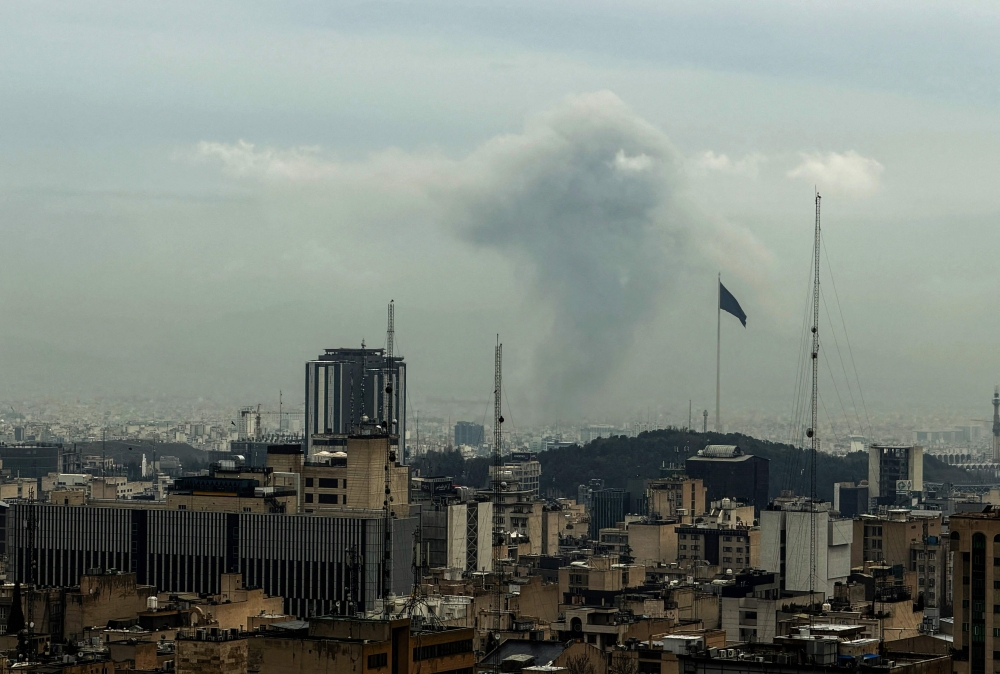
In its statement, the Iranian Revolutionary Guard Corps (IRGC), through its official website Sepah News, explained that an Israeli fighter jet was hit at 3:45 AM Tehran time in the skies over central Iran. Simultaneously, local Iranian media circulated photos and videos showing plumes of smoke rising into the sky, confirming that another aircraft had been hit, without definitively identifying it or whether it belonged to the Israeli Air Force or to US forces stationed in the region.
The historical roots of the shadow war between Tehran and Tel Aviv
To understand the broader context of this event, it is essential to examine the historical background of the conflict between the two countries. For years, Iran and Israel have engaged in what is known as a “shadow war,” characterized by indirect confrontations that have included cyberattacks, assassinations of Iranian nuclear scientists, and frequent Israeli airstrikes against Iranian targets in Syria. In response, Tehran has relied on supporting a network of armed factions in the region to exert pressure on Israel. However, the shift to direct and reciprocal military strikes within each other’s territories represents a dangerous strategic shift that overturns decades of traditional rules of engagement.
The objectives of Israeli strikes on Iran and the destruction of missiles
On the other hand, the Israeli military presented a different narrative, focusing on neutralizing Tehran's offensive capabilities. The Israeli military had previously announced that a surface-to-air missile was fired at one of its aircraft during what it described as "operational activity" in Iranian airspace, emphasizing that the aircraft sustained no damage. As events unfolded, the Israeli military confirmed on Saturday morning that it had launched a wave of extensive airstrikes overnight, primarily targeting the capital, Tehran, and its surrounding areas.
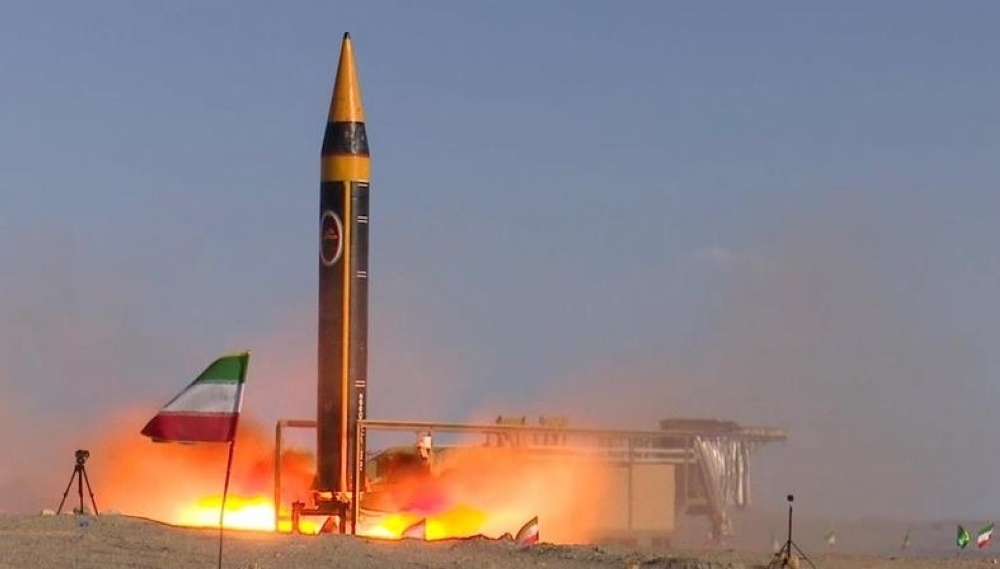
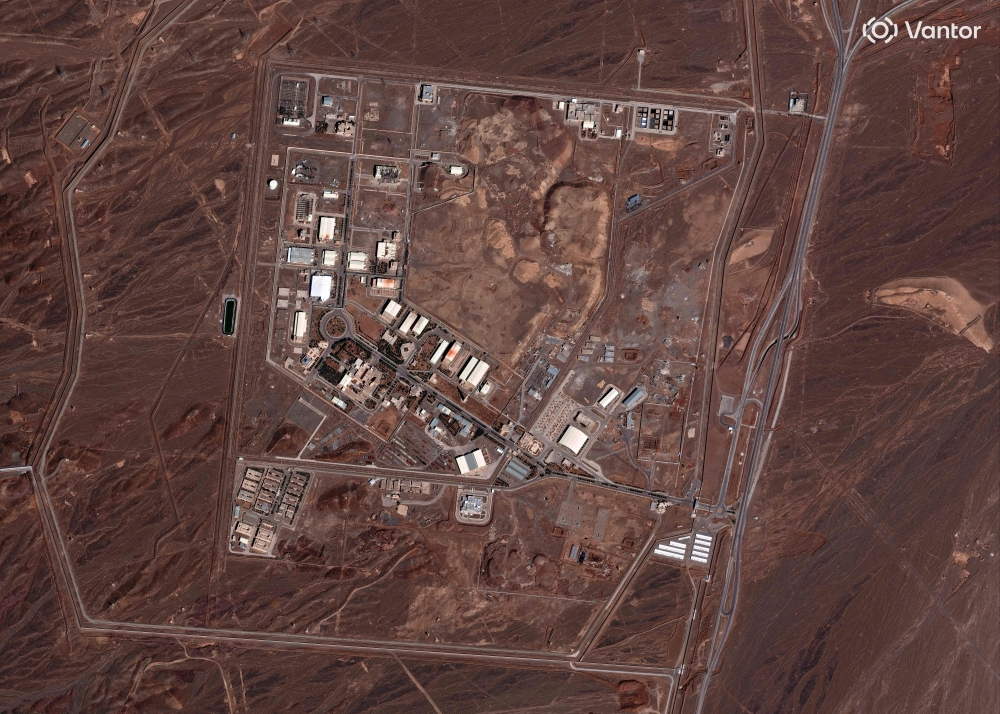
The Israeli military statement explained that the Air Force had completed its mission by striking dozens of targets belonging to what it called the “Iranian terror regime.” These strikes focused intensively on vital sites used for the production and development of ballistic missiles. The statement indicated that these targeted facilities belong to the Iranian Revolutionary Guard and various security agencies, and are responsible for producing the essential components of missiles that pose a direct threat to Israeli security. This occurred on the twenty-second day of the latest military escalation in the Middle East.
Regional and international repercussions of the recent escalation
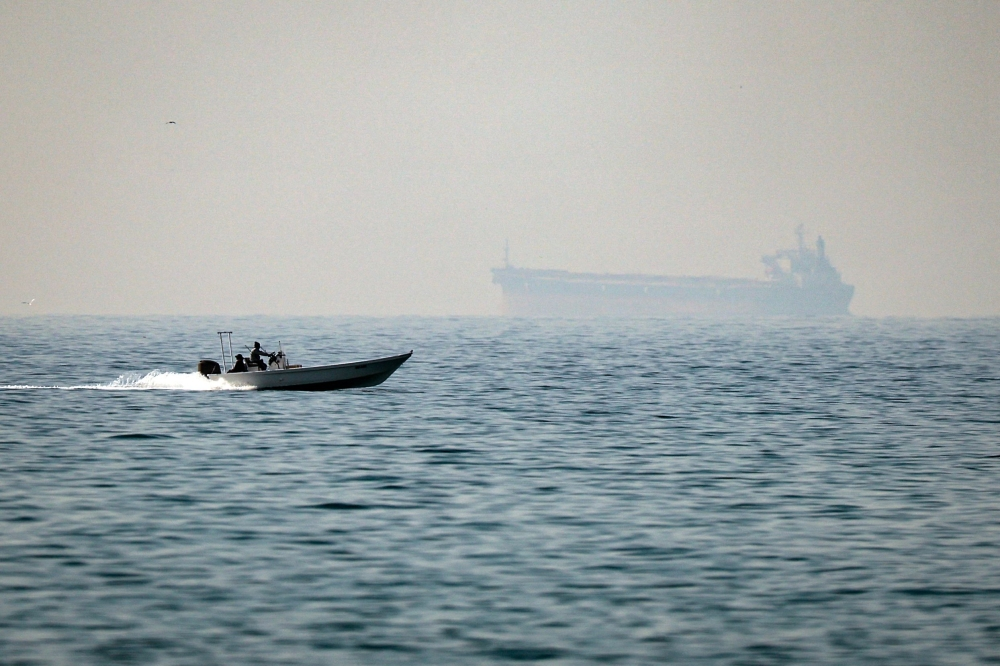
These events are of paramount importance given their anticipated impact on several levels. Domestically, these tit-for-tat strikes have put both Iran and Israel on high alert, with growing fears of attacks on civilian infrastructure. Regionally, this escalation threatens to draw neighboring countries into a wider conflict, potentially disrupting navigation in strategic waterways such as the Strait of Hormuz, a vital artery for global energy supplies.
Internationally, this development is causing grave concern among major powers, particularly the United States and European countries, which are striving to contain the situation and prevent the region from sliding into a full-blown war. The continued exchange of direct military strikes not only threatens security and stability in the Middle East but also carries serious global economic repercussions, especially concerning oil prices and the security of global supply chains, making diplomatic efforts to de-escalate the situation an urgent necessity.