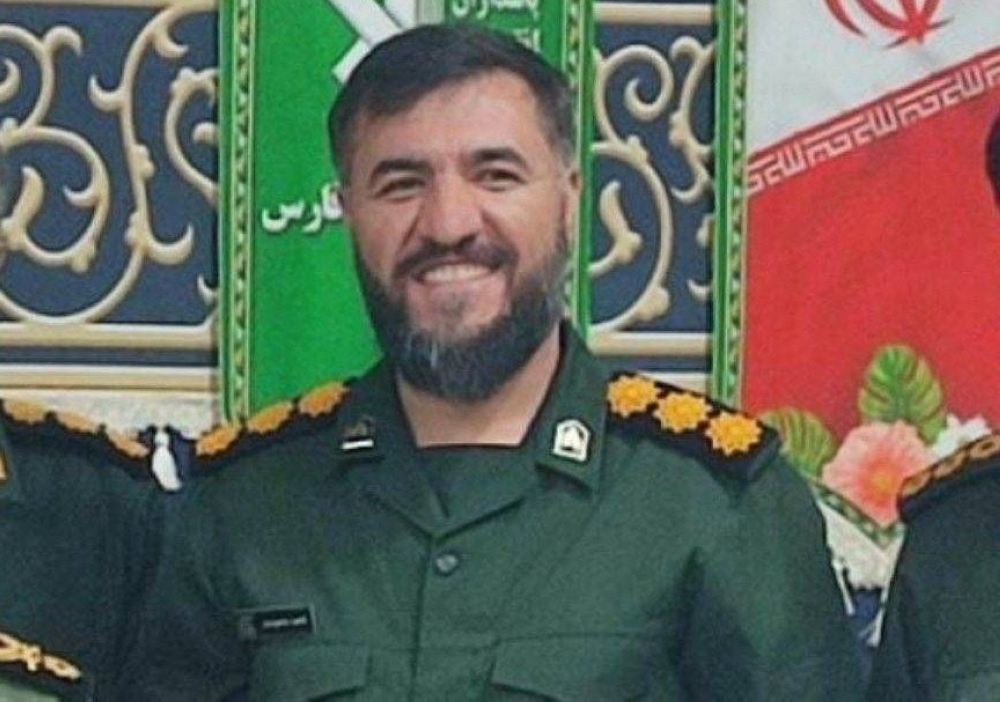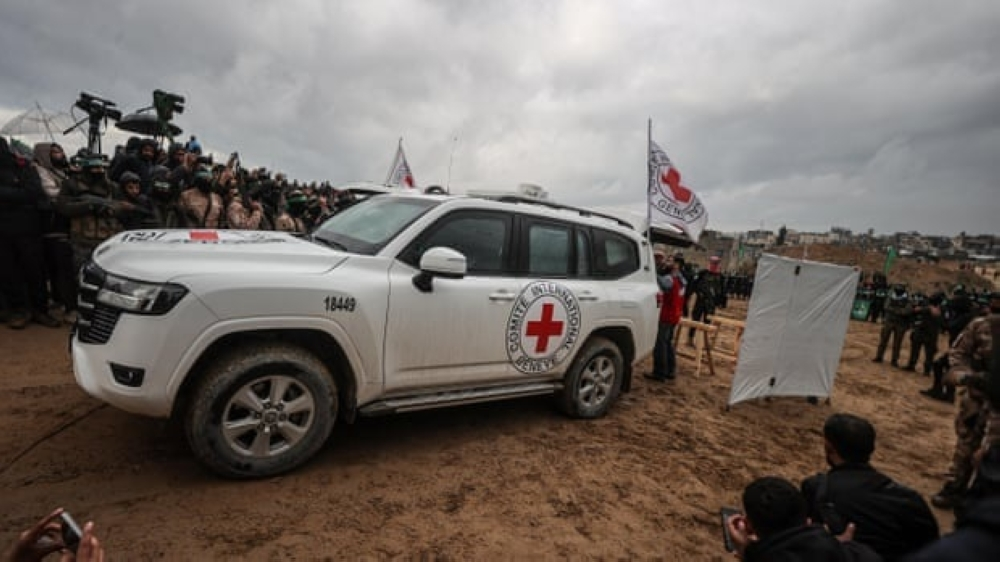
The Israeli army announced in an official statement that it had recovered and identified the remains of Sergeant Ran Gafili, who was among those held captive in the Gaza Strip. The statement explained that the operation was the result of complex intelligence and operational efforts, and that Gafili's family had been notified after the completion of necessary medical procedures at the National Institute of Forensic Medicine, in preparation for burial. Gafili, who served in the police's elite Yassam unit, was one of the victims of the Hamas attack on southern Israel on October 7, 2013, during which he was killed and his body taken to the Gaza Strip.
General context and historical background of the crisis
These developments come in the context of the hostage crisis that began with the October 7 attack, considered the deadliest in Israel's history. On that day, Palestinian factions led by Hamas launched a surprise attack on Israeli towns and military sites, killing approximately 1,200 people and taking nearly 250 others hostage, including civilians and military personnel of various nationalities. In response, Israel declared war on Hamas and launched a large-scale military operation in the Gaza Strip, with two main objectives: to destroy Hamas's military and governmental capabilities and to secure the release of all hostages.
The importance and expected impact of the event
Domestically in Israel , the hostage crisis represents a deep national wound and immense political pressure on Benjamin Netanyahu's government. Families of the captives hold near-daily protests demanding that a prisoner exchange be prioritized to secure the return of their loved ones. While the recovery of a victim's remains brings a measure of solace to their family, it simultaneously intensifies the anxiety and pain of the remaining families who still await news of their loved ones, and fuels the internal debate over the best strategy: military action versus a diplomatic solution.
Regionally and internationally , the hostage crisis is a major stumbling block in all ceasefire negotiations. Countries such as Qatar and Egypt, along with the United States, are playing an intensive mediating role between Israel and Hamas. Discussions often revolve around the terms of exchanging Israeli hostages for Palestinian prisoners held in Israeli jails, linking this to a permanent or temporary ceasefire. Hamas considers the hostage situation its strongest bargaining chip to pressure Israel into fulfilling its demands, foremost among them a complete cessation of hostilities and the withdrawal of Israeli forces from Gaza. The continuation of this crisis further complicates the regional landscape and maintains a high state of tension, with growing international calls for a solution that ends the suffering of civilians and ensures the release of all detainees.