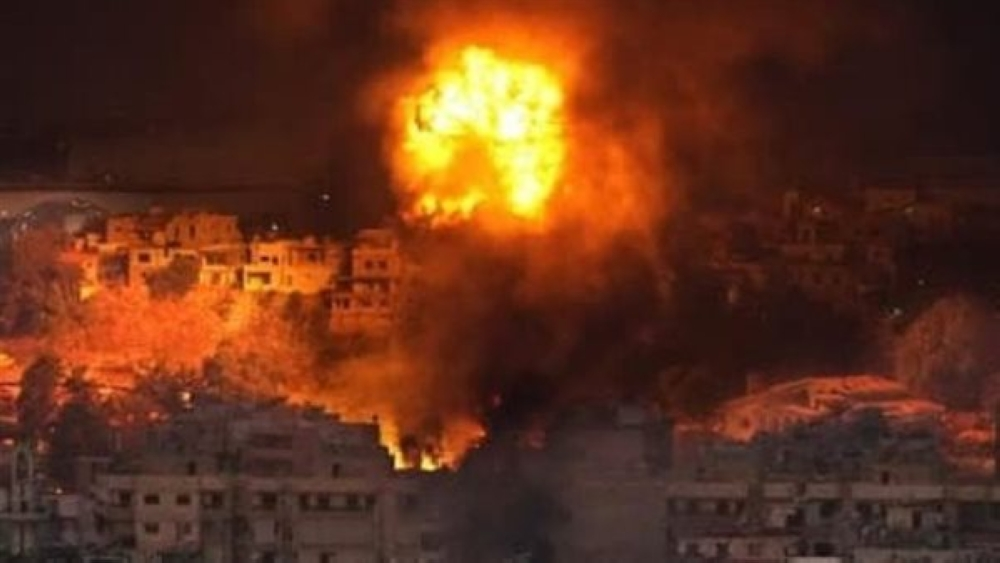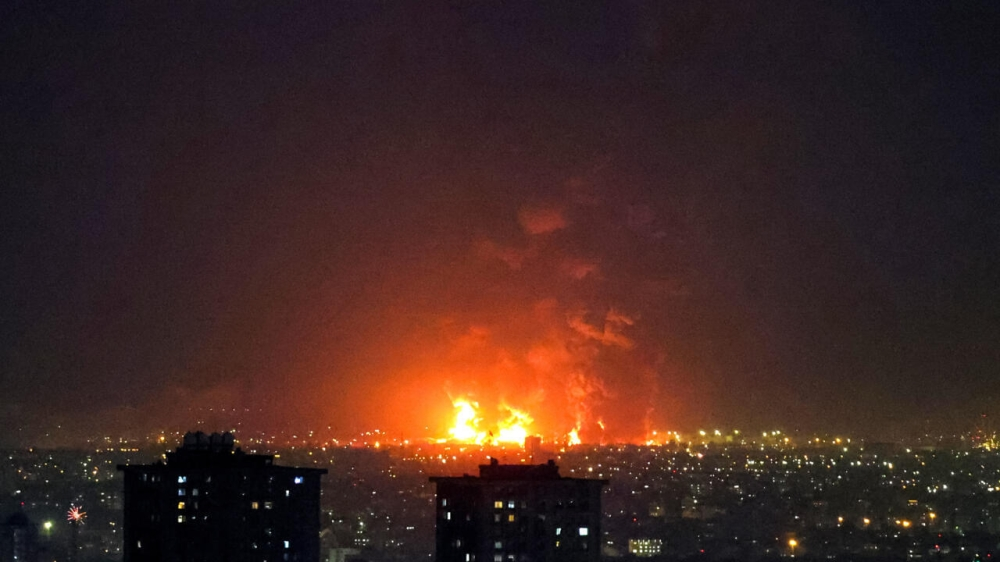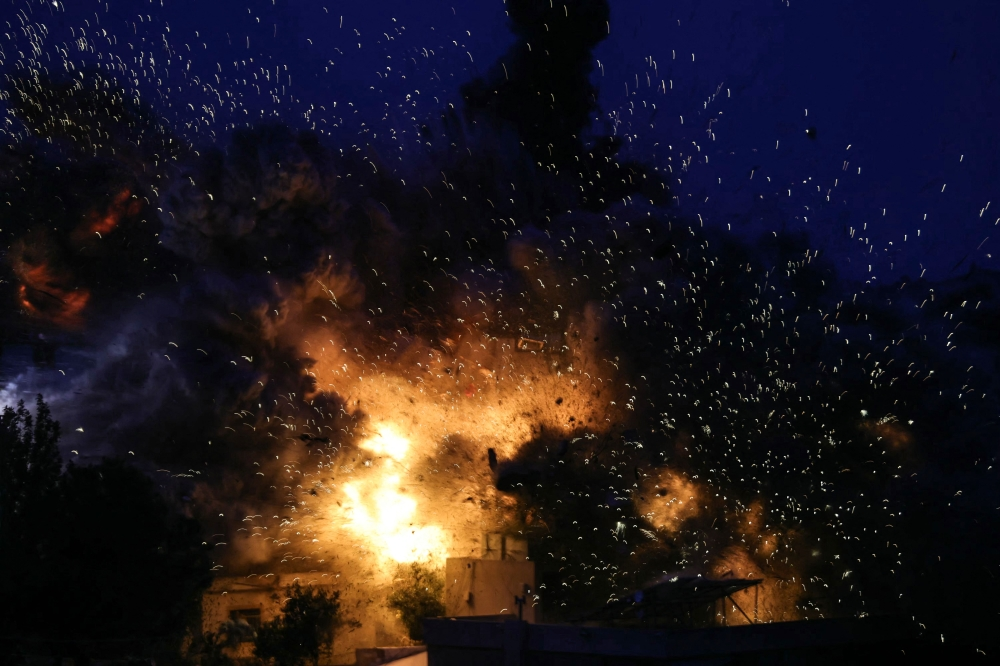
The Israeli army launched a series of intense airstrikes targeting residential buildings in several towns deep inside southern Lebanon , in a new escalation coming just hours after earlier strikes that killed two people, whom Israel claimed were Hezbollah members. The Israeli airstrikes this afternoon focused on a building in the town of Jarjouh, in addition to targeting buildings in the towns of Qanarit and Kfour.
Implications of the bombing north of the Litani
These raids hold particular strategic and military significance, given that the three targeted towns (Jarjouh, Qanarit, and Kfour) are located north of the Litani River , an area relatively far from the immediate border with the occupied territories. This targeting comes at a sensitive time, as the Lebanese army intends to present a comprehensive plan to the government next month, which includes a mechanism for disarming Hezbollah in these areas, complementing its previous announcement regarding arrangements for the border region south of the river.
Background of the conflict and Resolution 1701
This escalation brings to mind the ongoing tensions surrounding the implementation of UN Security Council Resolution 1701, which ended the July 2006 war. The resolution historically stipulates that the area between the Blue Line (the border) and the Litani River be free of any armed personnel or military equipment, except for those belonging to the Lebanese Armed Forces and UNIFIL. However, the expansion of the occupation's targets to include areas north of the river is a dangerous indication of the potential for wider confrontation and a departure from traditional rules of engagement.
Challenges of the ceasefire agreement
Despite the ceasefire agreement reached in November 2024, the Israeli occupation continues its aerial and ground violations, putting the fragile agreement to a real test. These ongoing attacks raise regional and international concerns about a slide into full-blown war, amidst intensive diplomatic efforts by international parties to ensure stability on the Lebanese front and prevent a deterioration of the humanitarian and security situation in the region.