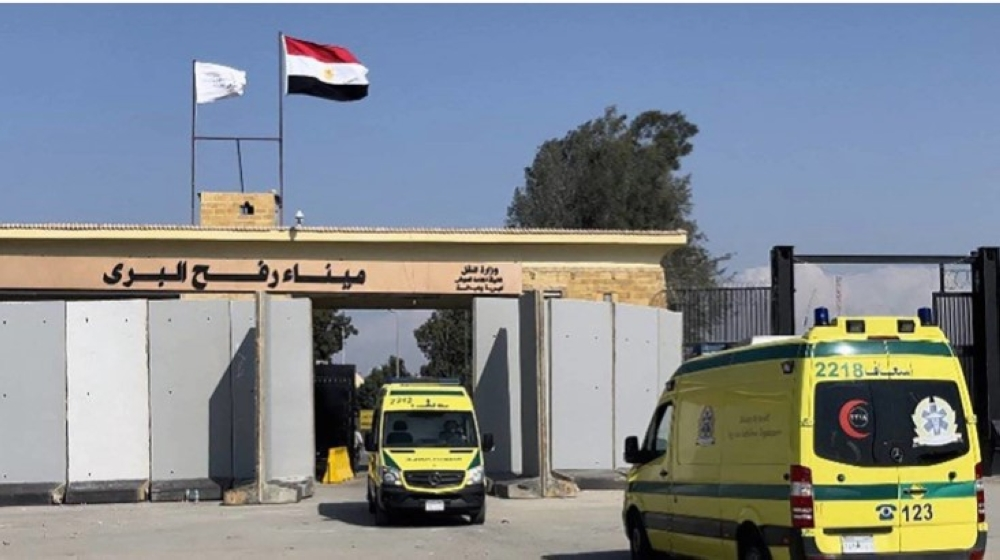
أعلنت السلطات الإسرائيلية عن قرارها بإعادة فتح معبر رفح الحدودي، الذي يربط قطاع غزة بمصر، ابتداءً من يوم الأحد المقبل. ويأتي هذا القرار ليسمح بحركة محدودة للأفراد تحت رقابة أمنية مشددة، مما يمثل تطوراً مهماً في ظل الأوضاع الإنسانية المعقدة التي يعيشها القطاع.
ووفقاً للبيان الصادر، فإن عملية الدخول والخروج عبر المعبر ستتم بالتنسيق الكامل مع السلطات المصرية، وستتطلب الحصول على موافقة أمنية إسرائيلية مسبقة. كما ستخضع العملية لإشراف مباشر من بعثة المساعدة الحدودية التابعة للاتحاد الأوروبي (EUBAM Rafah)، وهو ما يعكس البعد الدولي لإدارة هذا الشريان الحيوي. وأوضح الإعلان أن الأولوية في العودة ستُمنح حصراً للسكان الذين كانوا قد غادروا القطاع خلال فترة الحرب الأخيرة، مما يعني أن الفتح لن يكون شاملاً لجميع الحالات.
السياق التاريخي لمعبر رفح
يُعتبر معبر رفح المنفذ البري الوحيد لقطاع غزة على العالم الخارجي الذي لا يخضع للسيطرة الإسرائيلية المباشرة، مما يمنحه أهمية استراتيجية وإنسانية قصوى لسكان القطاع البالغ عددهم أكثر من مليوني نسمة. منذ فرض الحصار الإسرائيلي على غزة عام 2007 بعد سيطرة حركة حماس على القطاع، أصبح المعبر يخضع لسياسات إغلاق وفتح متقطعة من قبل السلطات المصرية، التي تنسق بشكل وثيق مع إسرائيل بشأن الأوضاع الأمنية. وقد أدت هذه القيود إلى تفاقم الأزمة الإنسانية، حيث حالت دون سفر آلاف المرضى والطلاب وأصحاب الحالات الإنسانية العاجلة.
الأهمية والتأثيرات المتوقعة
على الصعيد المحلي، يمثل هذا الفتح المحدود بارقة أمل لآلاف الفلسطينيين العالقين في الخارج والذين يأملون في العودة إلى عائلاتهم ومنازلهم. كما أنه قد يتيح فرصة لبعض الحالات الإنسانية الحرجة لمغادرة القطاع لتلقي العلاج. ومع ذلك، فإن الطبيعة المحدودة للقرار وشروطه الصارمة تعني أن الأزمة الإنسانية الأوسع المتمثلة في تقييد حرية الحركة لن تُحل بشكل جذري.
إقليمياً ودولياً، يعكس هذا القرار الديناميكيات المعقدة بين إسرائيل ومصر والاتحاد الأوروبي والفصائل الفلسطينية. يُنظر إلى إعادة إشراك بعثة الاتحاد الأوروبي على أنها محاولة لإعادة تفعيل اتفاقية المعابر لعام 2005، والتي تهدف إلى ضمان تشغيل المعبر وفقاً للمعايير الدولية. يراقب المجتمع الدولي هذا التطور عن كثب، حيث يُعد استقرار الأوضاع في غزة عنصراً أساسياً في أمن المنطقة بأكملها، ويُنظر إلى تخفيف القيود على الحركة كخطوة ضرورية نحو تحسين الظروف المعيشية وتجنب جولات جديدة من التصعيد.