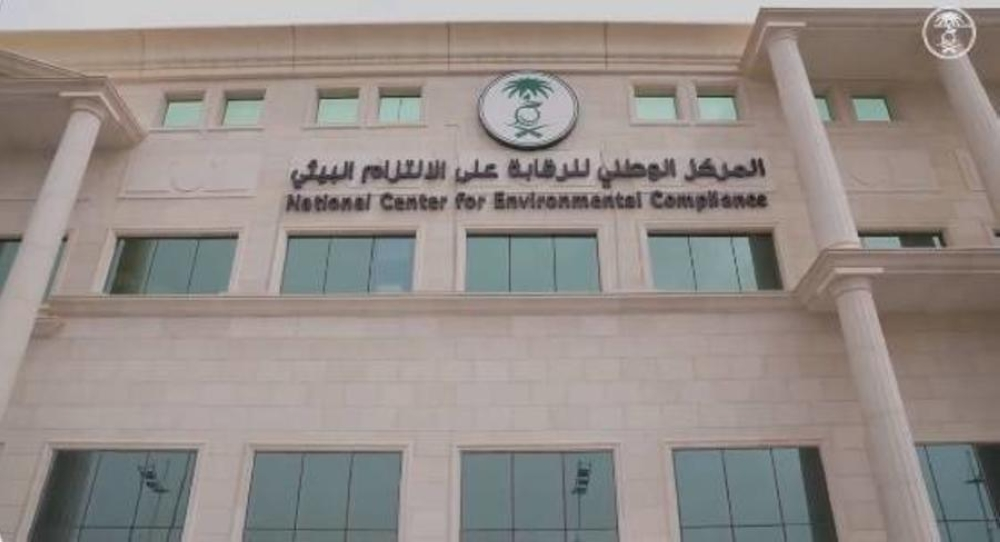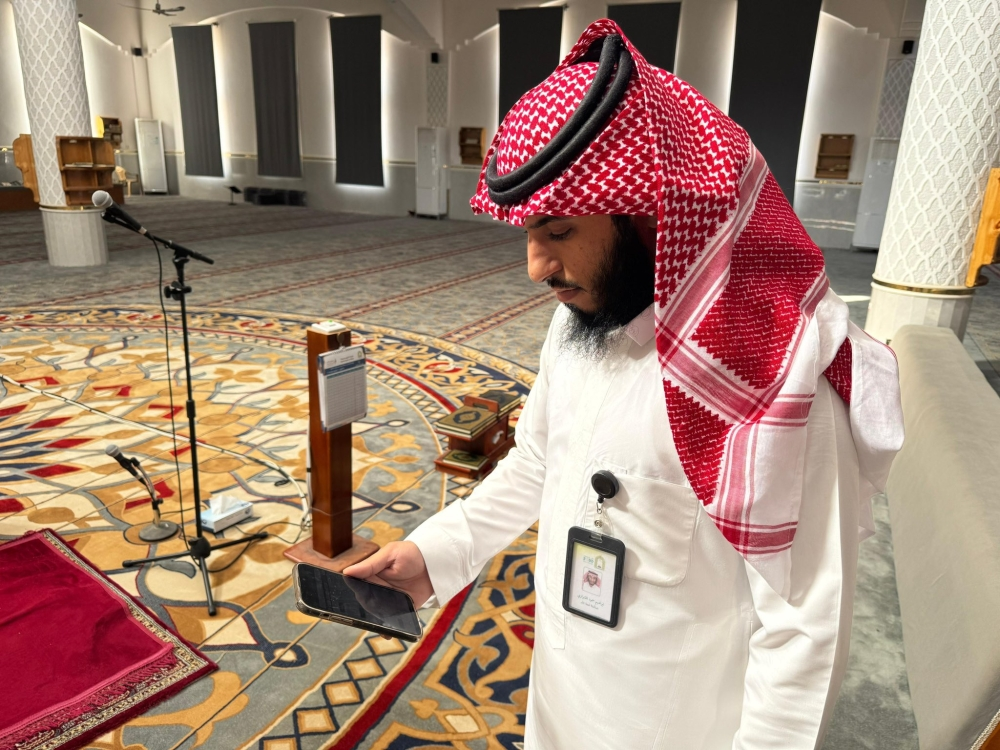
As part of its ongoing efforts to care for and prepare mosques for worshippers during the holy month of Ramadan, the Ministry of Islamic Affairs, Dawah and Guidance conducted over 176,971 field visits to mosques and prayer halls across the Kingdom of Saudi Arabia during the first half of Ramadan. These intensive visits aimed to ensure the readiness of facilities and the quality of services provided, thus guaranteeing that worshippers can perform their religious duties in an atmosphere of tranquility and devotion.
Comprehensive monitoring efforts to serve the pilgrims
The Ministry explained in its press release that these inspection tours covered more than 84,000 mosques and prayer halls across the Kingdom, carried out by a large team of over 7,000 inspectors. These efforts aim to directly assess the level of cleanliness and maintenance, identify any issues that might disturb worshippers, and address them immediately. This meticulous attention to mosques is an integral part of the Kingdom's Islamic identity and a continuation of a long history of governmental care for Islamic holy sites and places of worship, reflecting the utmost priority the leadership places on serving Islam and Muslims.
Field visits to mosques using modern technological standards
Oversight operations were not limited to traditional methods; the ministry also adopted a sophisticated electronic system for task management and field follow-up, which contributed to the rapid detection and resolution of reports. This digital approach aligns with the Kingdom's Vision 2030, which aims to automate government services and enhance operational efficiency. The inspections focused on ensuring the proper functioning of sound systems and adjusting external speakers according to established standards to prevent interference. They also monitored the adherence of maintenance and cleaning companies to the terms of their contracts, guaranteeing a healthy and safe environment for visitors.
Organizational discipline and spiritual impact
Field reports revealed a high level of discipline among mosque staff, with inspections focusing on ensuring that muezzins adhered to the Umm al-Qura calendar for the call to prayer and the iqama (second call to prayer), and that iftar meals were organized for those fasting in accordance with approved health and safety protocols. The Ministry also emphasized during its inspections the prohibition of filming or broadcasting prayers on social media platforms, in order to protect the privacy of worshippers and preserve the solemnity and spirituality of the place, while continuing to offer religious lessons and sermons that enrich the understanding of those fasting.
Reflections of local and Islamic care for mosques
The thousands of field visits to mosques reflect a deep institutional commitment that transcends mere administration, reaching into the spiritual and cultural spheres. Locally, these efforts contribute to fostering a sense of tranquility among citizens and residents, providing them with an ideal environment for worship. Regionally and internationally, this meticulous attention to detail in the houses of God reinforces the Kingdom's position as a leading example in the Islamic world in mosque architecture and maintenance, underscoring its pioneering role in serving the Two Holy Mosques and all matters related to religious rites.