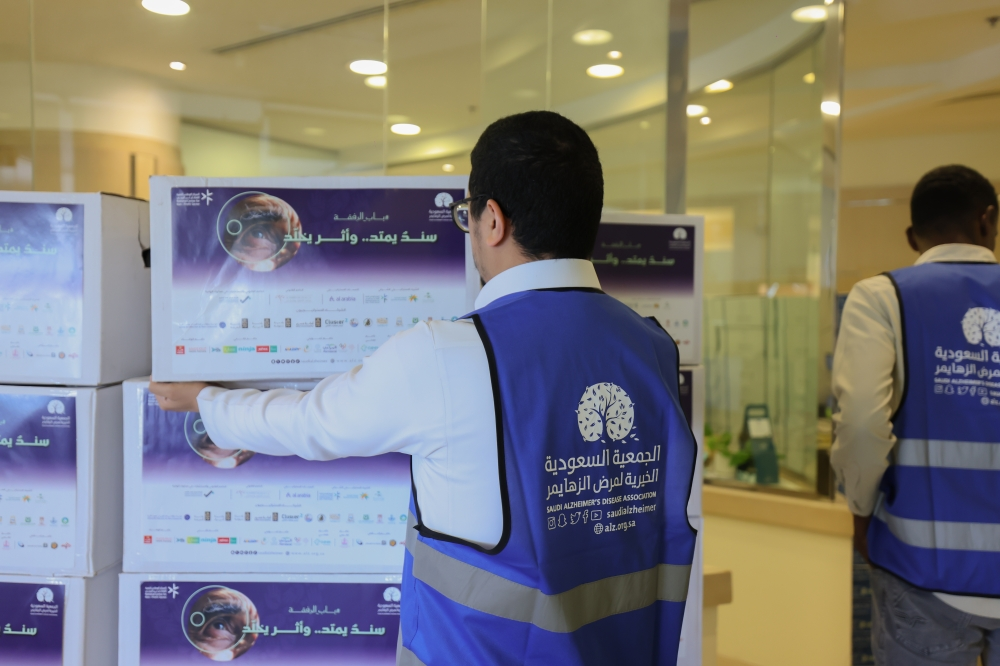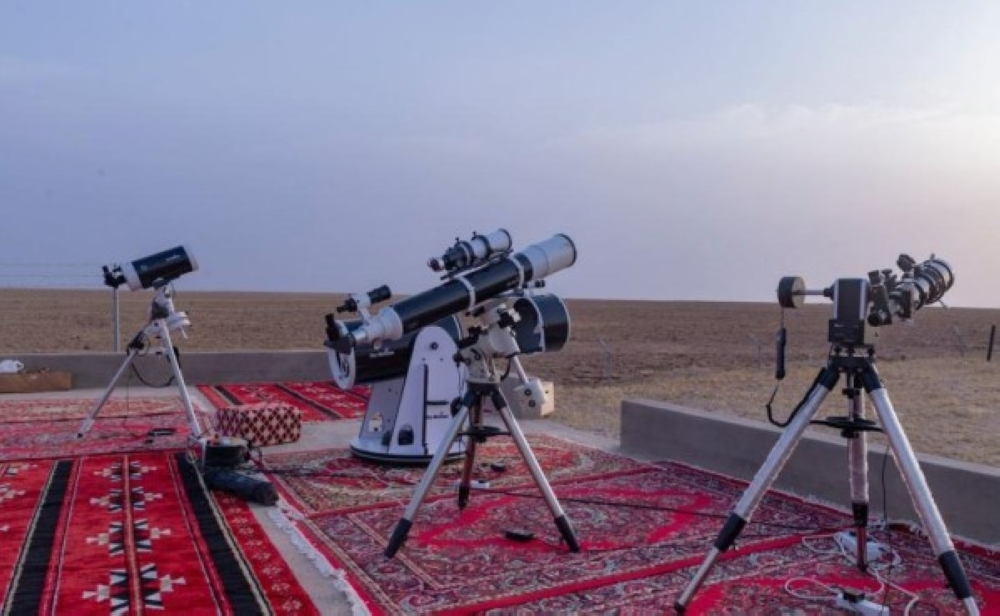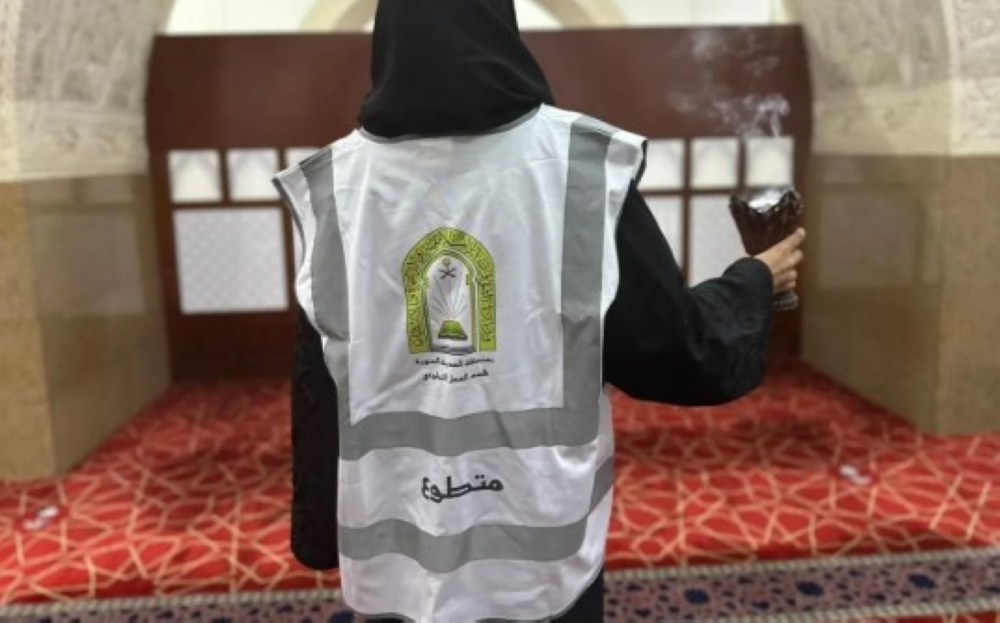
In an unprecedented achievement reflecting the development of the charitable work system in the Kingdom of Saudi Arabia, the Ministry of Islamic Affairs, Dawah and Guidance announced the results of its volunteer work for the year 2025, during which the Ministry implemented (45,927) diverse volunteer opportunities. These efforts generated a substantial economic return estimated at approximately (324,767,042) Saudi Riyals, highlighting the operational efficiency and added value that volunteers provide to the government and service sectors.
Standard performance indicators and broad community engagement
Official statistics from the Ministry revealed that the total number of volunteer hours completed reached 54,043,697, with widespread participation from 813,933 volunteers from all regions of the Kingdom. These figures are not merely statistics, but rather a vital indicator of the rising level of public awareness regarding the importance of volunteer work, and the consolidation of a culture of giving and contributing among various segments of Saudi society, in line with national directives to promote social responsibility.
Context of the national vision and the importance of the event
These record numbers come within the framework of achieving the goals of the Kingdom's Vision 2030, which set an ambitious strategic objective of reaching one million volunteers annually. The Ministry of Islamic Affairs' success in attracting more than 800,000 volunteers in a single year is tangible proof of the maturity of the volunteer experience in the Kingdom and its transformation from individual efforts to organized institutional work. These efforts are particularly significant given their direct connection to serving the houses of God and the pilgrims, thus enhancing the Kingdom's image as the custodian of the Two Holy Mosques and a leader in joint Islamic action.
Diversity of fields and economic impact
Volunteer opportunities were not limited to one area, but encompassed a wide range of services that directly addressed the needs of the community and worshippers. These opportunities spanned various fields, including:
- Serving the guests of God: Receiving and bidding farewell to pilgrims and Umrah performers through land and air ports, and providing support services in the pilgrim cities.
- Taking care of mosques: Active participation in cleaning and perfuming mosques, distributing copies of the Quran, and creating a suitable environment for scientific lessons and advocacy lectures.
- Religious seasons: Organizing crowd movement and guiding worshippers during the holy month of Ramadan and the Eid prayers, in addition to distributing Iftar meals and water.
From an economic standpoint, the estimated return of more than 324 million riyals is evidence of the sustainable developmental impact of volunteer work, as it contributes to reducing operational costs and increasing the efficiency of government spending, while ensuring the quality of services provided.
Strengthening social cohesion
Beyond its economic impact, this volunteer movement plays a pivotal role in strengthening national unity and reinforcing social bonds within the community. The volunteers' participation in distributing prayer rugs, dates, cold drinks, and water reflects the values of solidarity and compassion encouraged by Islam, and underscores the mosque's civilizational role as a center of cultural and social influence, not merely a place of worship.