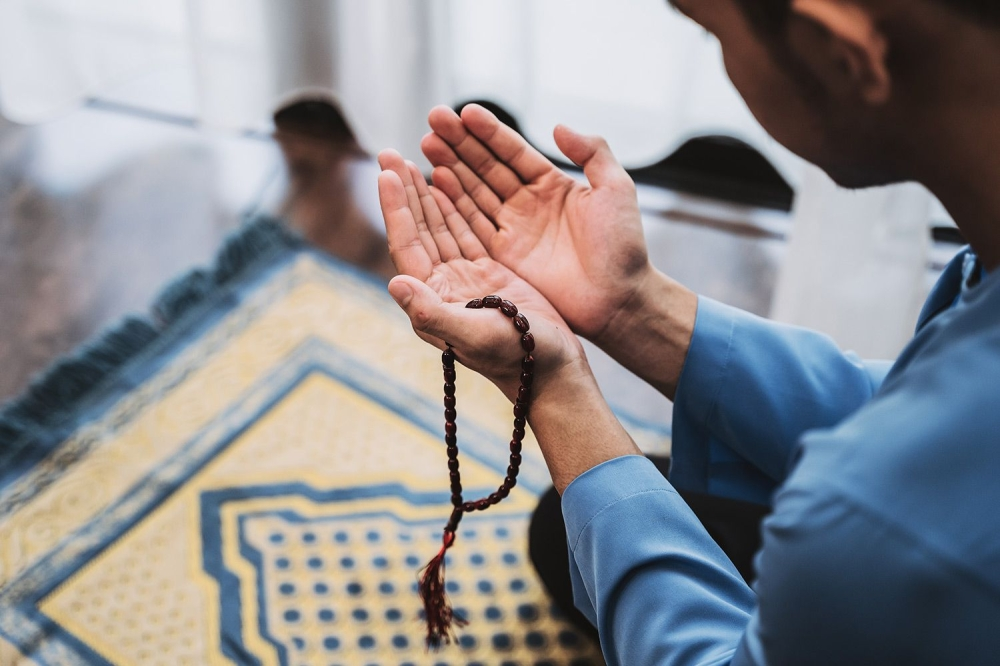
As part of its early preparations for the holy month of Ramadan, the Ministry of Islamic Affairs, Dawah and Guidance issued a set of guidelines and regulations on Tuesday, the first of Sha'ban 1447 AH, aimed at preparing mosques and prayer halls throughout the Kingdom of Saudi Arabia to welcome the blessed month. This annual step underscores the Ministry's ongoing commitment to providing a suitable spiritual atmosphere for worshippers and ensuring that religious rites are conducted according to the highest standards of organization and tranquility.
The commitment of imams and the rules of religious rituals
The circular issued by the Ministry stressed the necessity of strict adherence to duty by mosque staff, including imams and muezzins, emphasizing that absence during the holy month is prohibited except in cases of extreme necessity, and requiring the appointment of a suitable replacement with the approval of the relevant authorities. Regarding religious rites, the Ministry mandated that muezzins adhere to the call to prayer times according to the Umm al-Qura calendar, and specified a 15-minute waiting period between the call to prayer and the commencement of prayer for the Isha and Fajr prayers, to facilitate matters for worshippers and avoid hardship. The circular also emphasized the importance of considering the circumstances of worshippers during Taraweeh prayers and ensuring that Tahajjud prayers during the last ten nights of Ramadan conclude well before the Fajr prayer.
Ban on filming and media broadcasting
In order to preserve the sanctity and privacy of worshippers, the directives included strict instructions regarding the use of cameras inside mosques. The Ministry prohibited the use of cameras to film the imam or worshippers during prayer, and also banned the transmission or broadcasting of prayers through any media outlet whatsoever. This measure aims to prevent disruption to worshippers and ensure that houses of worship do not become venues for filming, which could detract from the religious and spiritual purpose of worship.
Regulating charitable and financial work
The Ministry has placed great emphasis on regulating financial and charitable activities, with the circular explicitly prohibiting the collection of donations for Iftar meals or other purposes within mosques. It also stressed the prohibition of begging inside or around mosques, directing mosque staff to immediately report any violations to security authorities. Conversely, the Ministry has organized the Iftar meals to be held in the mosque courtyards under the supervision of the imam and muezzin, with strict adherence to cleanliness, immediate removal of waste, and prevention of water container accumulation in storage areas.
Importance and general context
These directives are particularly important given the increasing number of worshippers and pilgrims during the holy month of Ramadan, as the Kingdom of Saudi Arabia consistently strives to provide the best possible services to those visiting the houses of God. These organizational measures align with the Ministry's mission to care for, clean, and maintain mosques, and to provide a safe and healthy environment that enables Muslims to perform their worship with tranquility and devotion, free from any distractions or practices that might disrupt the spiritual atmosphere of this blessed month.