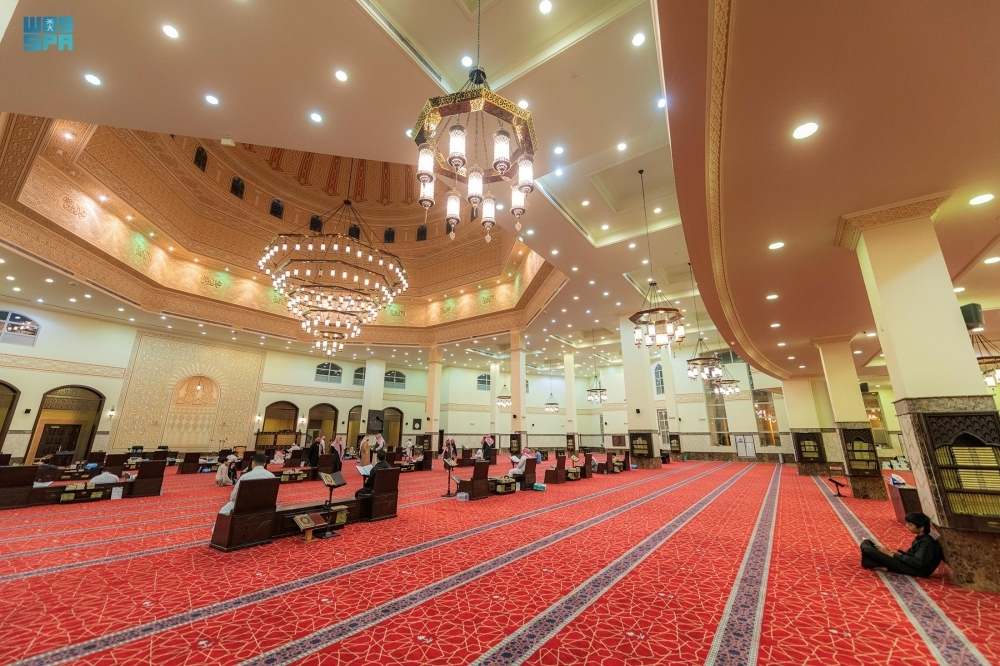
As part of its intensive preparations to welcome the holy month of Ramadan, the Ministry of Islamic Affairs, Call and Guidance in the Kingdom of Saudi Arabia issued a comprehensive set of guidelines and instructions aimed at preparing mosques and prayer halls, and ensuring the provision of a suitable spiritual atmosphere to serve the guests of God and the worshippers during the holy month.
Regulations for imams and muezzins and the organization of prayers
The directives issued included precise guidelines concerning the duties of imams and muezzins. The Ministry emphasized the necessity of adhering to the prescribed times for the call to prayer (adhan) and the commencement of prayer (iqamah), specifying a 15-minute waiting period between the adhan and iqamah for the obligatory prayers, while taking into account the need to be considerate of worshippers. The Ministry also stressed the importance of performing the supplication (qunut) with humility and reverence, without prolonging it in a way that burdens the worshippers, and of ensuring the delivery of religious lessons and sermons that align with the spirituality of the month. Furthermore, the Ministry emphasized the necessity of concluding the night prayer (tahajjud) during the last ten nights of Ramadan well before the dawn prayer (fajr) to allow worshippers sufficient time to eat their pre-dawn meal (suhoor).
Photography and begging are prohibited: to preserve reverence and tranquility
In a move aimed at protecting the privacy of worshippers and preserving the sanctity of mosques, the instructions included a strict ban on the use of cameras to film the imam and worshippers during prayers, as this causes disruption and diminishes focus. The ministry also emphasized the prohibition of begging inside mosques or at their entrances, directing mosque staff to address this issue with wisdom and firmness to ensure that worshippers are not disturbed.
Organizing the retreat and taking care of the facilities
Regarding the practice of i'tikaf (seclusion in the mosque for worship), the Ministry stressed the need to organize the process according to specific guidelines. These include verifying the identities of those observing i'tikaf and registering their information to ensure security and order, while allocating suitable spaces for them that do not impede the movement of other worshippers. In terms of logistics, the Ministry directed the intensification of daily field visits to monitor maintenance and cleaning companies, ensure the readiness of women's prayer areas and restrooms, and address any technical issues immediately.
General context and importance of guidelines
These annual directives are part of the Ministry of Islamic Affairs' ongoing strategy to care for mosques, especially given the millions of worshippers who frequent them during Ramadan. These measures are of paramount importance to ensure the smooth flow of people and provide a healthy and safe environment, as mosques in the Kingdom are a primary destination for the community throughout the nights of the holy month. The emphasis on prohibiting photography and unregulated fundraising reflects the authorities' commitment to regulating public conduct in accordance with the sanctity of the place and time, thus contributing to a more peaceful and tranquil atmosphere for worshippers.